




















































One of the biggest changes to the online gambling world has been the live casino gaming space. What started as a small experiment to stream a dealer from a small studio to a few desktop users has blossomed into a slick, cinematic, interactive experience enjoyed by millions. The live casino games today combine real-time action, cutting-edge technology and immersive design that would have been impossible just a decade ago. This is such a core element of the online casino experience today at sites like Virgin Games live casino and the history of the industry helps to explain why.
The Early Days: Simple Streams and Limited Interaction
Live casino gaming began in the early 2000s when internet speeds became fast enough to stream video in real time. The idea was simple enough, stream a live dealer to players in their own homes and recreate the feeling of a real casino. But those early versions weren’t very seamless. Cards and roulette wheels looked blurry and pixelated, connections were often poor, with lag and freezing, and the interfaces were basic – little more than a chat box and a few buttons for betting. Game options were also limited, usually blackjack and roulette. Despite these flaws, the idea and the authenticity and human interaction that was missing in traditional RNG (random number generator) games were liked by players. This early demand paved the way for fast innovation.


The Broadband Boom: Better Quality, Bigger Audiences
With the arrival of broadband internet, live casino gaming really started to take off. Better connections meant HD video, more clarity, better game play And, it was more cinematic with all those camera angles and the interfaces were better and it was more intuitive to interact and to bet. These advances have resulted in the greater professionalism and reliability of live casino platforms. Operators have broadened their offerings to include games such as baccarat, poker variants and VIP tables, helping to move live gaming from a niche novelty into a mainstream component of online casinos.
Mobile Revolution: Live Gaming in Your Pocket
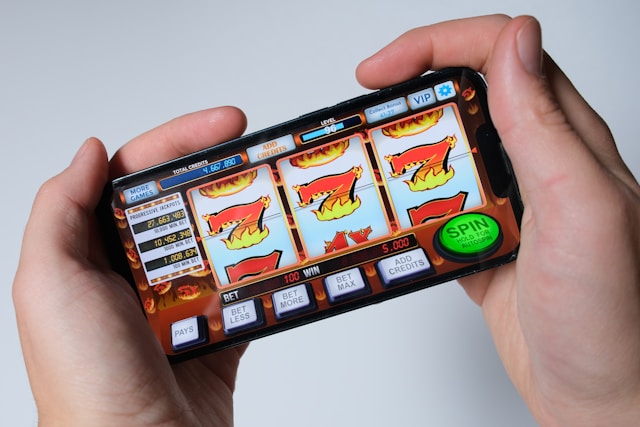
The next big turning point was the arrival of smartphones in the 2010s. Players were no longer chained to their desktop computers and could get to live tables from just about anywhere. Mobile-friendly interfaces, touch-based controls, vertical video formats and adaptive streaming technology made it hassle free across devices and connection speeds. This opened up the audience dramatically and made live casino gaming a mobile-first experience, especially in key markets such as the UK and Europe.
Mobile Revolution: Live Gaming in Your Pocket
As demand increased, so did investment, leading to the development of purpose-built live casino studios. These were no longer merely rooms with a table, but full production facilities. Modern studios boast professional trained dealers, themed sets from luxurious lounges to game show stages, state of the art lighting and sound systems, green screen technology and 24/7 broadcasting. Industry leaders like Evolution, Playtech and Pragmatic Play have helped to make live casino gaming a polished, television quality experience.
“The biggest innovation the last few years has been the live game show format,” says the producer. These games combine classic casino mechanics with entertainment elements taken from television. Prize wheels, multipliers, bonus rounds, charismatic hosts and bright stage designs have made live casino gaming more popular. Live casino games such as Crazy Time, Monopoly Live, Deal or No Deal Live have attracted new players to live casino gaming, a more engaging and interactive form of entertainment.
Purpose Built Studios: The Rise of Professional Live Gaming
The interaction between players has also changed in a dramatic way. Live casino gaming has always been about people, but today’s platforms have taken that human element to a more social experience. Now players can chat with dealers and other players in real time, get personalised greetings, participate in community events such as tournaments or themed nights and access social features such as emojis and reactions. That’s what makes live casino games so different and unique from regular online slots or RNG table games.
Technology Behind the Scenes: OCR, RNG Hybrids, and AI
Technological innovation and creative design have turned live casino gaming from grainy webcam streams into a sophisticated, immersive and social experience. The industry has developed a dynamic form of entertainment that continues to grow with a focus on authenticity, excitement and connection. With the advancement of technology, live casino gaming will become more interactive, cinematic and immersive, while further solidifying its position at the forefront of the online gaming industry.
Behind all these experiences, there is innovative technology at play. The values of the cards are converted into digital data using Optical Character Recognition (OCR) in real time. Hybrid RNG systems are the area of bonus features and multipliers. AI monitoring helps security by catching cheaters and keeping the game fair. Adaptive streaming technology delivers a seamless experience across devices and networks and enhances video quality in real time. These innovations combined make live casino gaming faster, more reliable and more secure than ever before.
The Future: VR, AR, and Hyper Immersive Experiences
The future of live casino gaming is even more immersive. Other trends include the rise of virtual reality environments where players can walk around casino floors, augmented reality overlays to improve live streams, artificial intelligence-driven personalisation for tailored gameplay and greater integration with social and entertainment platforms. As these technologies develop the line gaming, entertainment and social interaction will become more and more blurred.