



















































Over the past decade, one of the most surprising shifts in online entertainment has been the rise of skin gambling. Cosmetic items from Counter‑Strike 2, often collected for style or status, have developed into a kind of informal betting currency. Understanding how this happened sheds light on modern game economies, online trading culture and the blurred lines between play, collecting and wagering.
From cosmetic items to currency
When weapon skins were first introduced to Counter‑Strike, they were intended as purely cosmetic items. Players could unlock or buy designs that changed how their weapons looked, while the underlying gameplay stayed the same. The crucial twist was that skins could be traded, gifted and sold on marketplaces. That single design choice turned them into assets with real monetary value.


Rarity tiers, condition levels and eye‑catching artwork meant some items quickly became highly sought after. Limited drops, esports souvenir packages and older collections created scarcity. Serious players began tracking price movements in much the same way collectors follow card or sneaker markets. Over time, an informal exchange rate emerged, with common skins acting as small units of value and rare knives or gloves becoming the high‑end store of wealth.
As the ecosystem matured, a content and information layer grew around it. Specialist portals, such as skingambling.com, map out pricing, terminology and formats, helping readers grasp how skin gambling fits into the wider skin economy and why certain items command a premium. Together, trading sites, price indexes and community forums created the foundations for skins to operate almost like virtual chips that move between players.
How skin gambling platforms function
Once skins had clear, widely accepted values, it was a short step for communities to start using them for informal bets. At first, this looked like simple peer‑to‑peer challenges, where two players would agree that the winner of a match would receive the other’s item. As third‑party platforms emerged, the process became more structured and varied, with familiar gambling mechanics translated into item‑based formats.
Most platforms follow a similar pattern. Players sign in with a game account, transfer one or more skins to a holding inventory and receive credits or tickets equal to the estimated value of those items. This balance can then be used in various game modes. Outcomes are typically decided by random number generators, often with public seeds or verification methods to demonstrate fairness in the draw process.
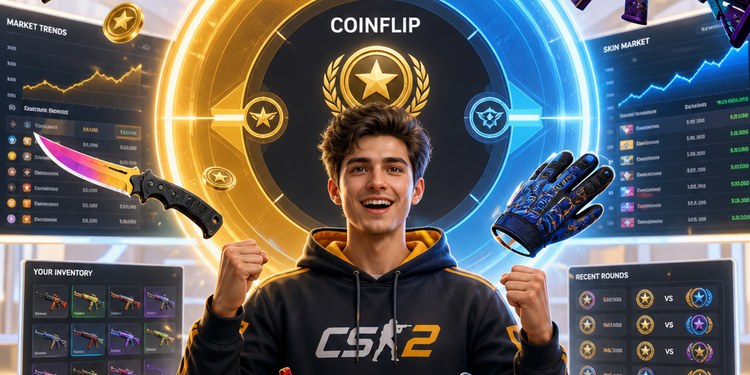
Several common styles have become particularly popular. Jackpot formats pool skins from multiple participants and award the whole pot to a single randomly selected entrant, often weighted by contribution size. Coinflip setups pit two players against each other, with each staking items of roughly equivalent value on a simple two‑sided outcome. Roulette‑inspired games translate familiar colour or number selections into item‑based stakes and payouts.
There are also case‑opening style experiences, which simulate opening crates with a chance of winning skins of different rarities. While this mirrors mechanics found within some games themselves, third‑party versions exist with distinct item pools and visuals. Across these models, the key uniting factor is that skins serve as the unit of account. Users think in terms of knife prices, sticker values or key equivalents rather than traditional currencies.
Behind the scenes, pricing is crucial. Platforms typically plug into marketplace data to estimate the worth of each item at the moment it is deposited. In highly traded categories, values can move quickly, which adds an extra economic layer to skin gambling. Traders who follow market trends closely may choose to stake items they believe are at a peak while holding onto those they expect to appreciate.
Regulation market trends and future outlook
The growth of skin gambling has attracted attention from publishers and regulators across a range of countries. The central question is whether using tradeable game items in games of chance is meaningfully different from staking money. In the United Kingdom, any platform that lets users stake items of value on games of chance for prizes of value generally falls within gambling regulation, which affects how companies can operate, advertise and verify users.
Game publishers have responded in various ways over the years, from updating terms of service around third‑party use of inventories to adjusting how items can be transferred. Their primary concern is often keeping control of the in‑game economy while balancing player freedom. Some measures have sought to limit automated trading, while others have focused on reducing the ease with which large volumes of skins can move rapidly between accounts.
For players, the landscape now spans everything from casual social bets among friends to high‑value trading by dedicated collectors. Younger audiences in particular are drawn to the blend of esports, streaming and item showcases. Influencers who broadcast their inventories or participate in skin‑based games give the whole scene a visible, almost lifestyle‑driven edge, reinforcing the idea that certain skins have both financial and social value.
Looking ahead, several factors will shape how this niche develops. The first is simple market maturity. As more data becomes available on long‑term skin pricing, the community is becoming more sophisticated in how it values collections. This may encourage a shift from short‑term excitement toward more sustained interest in rare, historically significant items, in much the same way that early trading cards became prized decades later.
The second factor is technological. Improved marketplaces, better item verification tools and smoother account security all change how confidently people can trade and hold high‑value inventories. There is ongoing experimentation with ways to showcase collections across multiple platforms, allowing a rare CS2 skin to function as a sort of calling card throughout the wider gaming ecosystem.
Finally, regulation and self‑governance within communities will continue to evolve. Platforms that operate in closely watched markets need to pay attention to licensing requirements, age checks and transparency around random outcomes. At the same time, players themselves are swapping information about odds, pricing and formats, which tends to reward services that are clear in how they work and consistent in how they treat item values.
Skin gambling sits at the intersection of game design, virtual economies and online entertainment. CS2 skins started life as cosmetic rewards and gradually became a recognised store of value, which communities then adapted into a betting currency. Whether viewed as a natural extension of collecting or as a distinct economic ecosystem, it is a trend that reveals a great deal about how players assign value to virtual items and how that value flows through modern games.

David Prior
David Prior is the editor of Today News, responsible for the overall editorial strategy. He is an NCTJ-qualified journalist with over 20 years’ experience, and is also editor of the award-winning hyperlocal news title Altrincham Today. His LinkedIn profile is here.