


















































Technology has transformed almost every part of daily life, and motoring is no exception. From the way drivers buy, lease and insure vehicles to how they plan journeys, monitor maintenance and manage running costs, the experience of having a car is becoming more connected, convenient and data-led.
A More Digital Way to Get on the Road
Choosing a car used to mean visiting several dealerships, collecting brochures and negotiating in person. Today, drivers can compare models, finance options, running costs and delivery times online in minutes. Customers can browse vehicles, calculate monthly payments and often complete much of the paperwork without leaving home.


This shift has changed expectations, and one of the top car leasing companies in the UK is far from alone in responding with digital tools that make the process faster and more transparent. Motorists increasingly want clear pricing, instant information and flexible agreements. Online reviews, virtual showrooms and video consultations have also made it easier to make confident decisions before booking a test drive or placing an order.
Smarter Vehicles and Connected Features
Modern cars are no longer just mechanical machines. Many have become connected devices on wheels, packed with sensors, software and internet-enabled systems. With a smartphone app, drivers can lock or unlock the car, check fuel or battery health, find it in a busy car park, pre-heat the cabin or receive an alert when something needs attention.
Infotainment has come a long way too. Satellite navigation, real-time traffic updates, voice control, smartphone integration and streaming services are now standard in many models, and together they make driving more comfortable. They can also take much of the stress out of unfamiliar routes and busy commutes.
Maintenance Is Becoming More Predictive
This connectivity is changing how cars are looked after as well. Maintenance has traditionally relied on mileage intervals, warning lights or a gut feeling that something isn’t right. Now, on-board diagnostics can monitor components and spot problems early, and connected systems can send service reminders straight to the driver or manufacturer.
Some vehicles can even share diagnostic information with a garage before an appointment, which means technicians can prepare in advance. The result is often faster repairs, greater accuracy and fewer small issues turning into expensive failures. For fleet operators, this data is especially valuable because it keeps vehicles on the road and cuts down on unexpected downtime.
Electric Cars and New Driving Habits
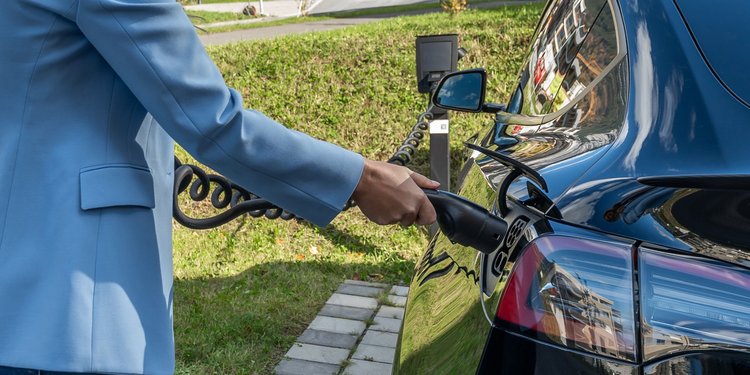
Perhaps the biggest shift in motoring is the rise of electric vehicles, which encourage drivers to think differently about range, charging and energy use. Instead of stopping at a petrol station, many owners charge at home, at work or at public charging points, and apps help them find available chargers, compare prices and plan routes around their battery range.
Technology can help keep costs down for electric car owners too. Smart chargers can be set to run overnight when electricity may be cheaper, and some systems even link up with solar panels or home energy tariffs. As charging infrastructure continues to improve, electric motoring is becoming a practical choice for a much wider range of drivers.
Insurance, Safety and Driver Assistance
The same data that powers these features is also influencing car insurance. Telematics policies, sometimes known as black box insurance, use driving data to assess behaviour such as speed, braking and cornering. Safe drivers may benefit from lower premiums, while younger motorists get the chance to prove how responsible they are behind the wheel.
Safety systems have advanced just as quickly. Automatic emergency braking, lane-keeping assistance, blind-spot monitoring, adaptive cruise control and parking cameras are all increasingly common, and each is designed to support the driver, reduce accidents and make everyday manoeuvres easier.
Lower Costs Through Better Information
Safer, smarter driving often turns out to be cheaper driving too, because technology gives motorists far more control over what their car costs to run. Fuel comparison apps, route planners, tyre pressure monitoring systems and servicing reminders all help drivers make better decisions. Even small habits, such as keeping tyres correctly inflated or avoiding congestion, can add up to real savings over time.
For businesses managing multiple vehicles, fleet management software goes a step further. It offers detailed insight into fuel use, driver behaviour, maintenance schedules and vehicle location, which makes it easier to improve efficiency and cut waste.
The Future of Car Ownership
With so much already changing, the years ahead are likely to bring even more. Subscription models, autonomous driving features, vehicle-to-grid charging and over-the-air software updates will continue to reshape what drivers expect, and cars may become less about simple ownership and more about access, convenience and personalised mobility.
Ultimately, technology is making motoring more connected, informed and flexible. The basic purpose of a car hasn’t changed, but the experience of owning and running one is evolving quickly, and for drivers that means more choice, better information and greater control than ever before.

David Prior
David Prior is the editor of Today News, responsible for the overall editorial strategy. He is an NCTJ-qualified journalist with over 20 years’ experience, and is also editor of the award-winning hyperlocal news title Altrincham Today. His LinkedIn profile is here.