

















































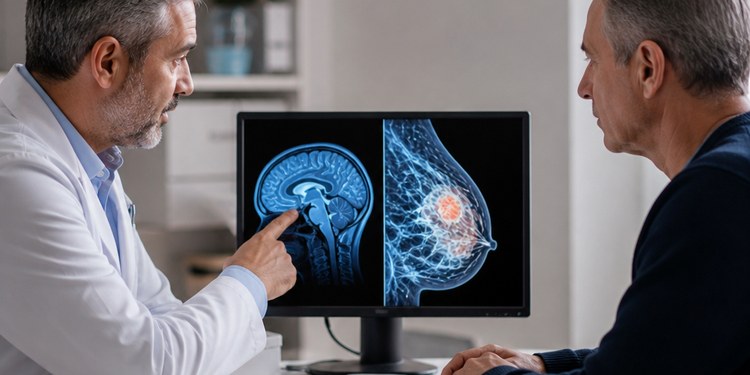
When women undergo treatment for breast cancer, the focus naturally centres on eliminating the disease and restoring physical health. Yet an often overlooked dimension of care involves the neurological effects that can emerge during and after treatment. Chemotherapy-induced peripheral neuropathy, cognitive changes sometimes called “chemo brain,” and the psychological toll of diagnosis and treatment all intersect with neurological function in ways that demand attention from both patients and their care teams.
The relationship between breast cancer care and neurological health extends beyond side effects. Understanding this connection helps patients advocate for comprehensive care that addresses not only the cancer itself but also the cascade of effects treatment can have on the nervous system. For women navigating breast cancer in the UK and internationally, recognising when neurological symptoms require specialist intervention can significantly improve quality of life during recovery.


Chemotherapy-Induced Peripheral Neuropathy: A Common Challenge
Peripheral neuropathy affects between 30 and 40 percent of patients receiving chemotherapy for breast cancer, particularly those treated with taxanes, platinum compounds, or vinca alkaloids. The condition manifests as tingling, numbness, burning sensations, or sharp pains in the hands and feet. For some women, these symptoms resolve within months of completing treatment. For others, they persist for years, interfering with daily activities from buttoning shirts to walking steadily.
The mechanism involves damage to peripheral nerves, the communication pathways between the central nervous system and the rest of the body. Chemotherapy agents that target rapidly dividing cancer cells can also harm nerve cells, leading to cumulative damage over the course of treatment. Oncologists monitor for neuropathy throughout chemotherapy, sometimes adjusting doses or switching agents when symptoms become severe, but prevention remains imperfect.
Management strategies include dose reduction, medication switches when feasible, and symptomatic treatments such as duloxetine, which has shown efficacy in clinical trials. Physical therapy, particularly balance training, helps patients adapt to sensory changes and reduce fall risk. Some women find relief through acupuncture or topical treatments, though evidence for these approaches varies. Ongoing research continues to explore protective agents and rehabilitation protocols that might minimise long-term nerve damage.
Cognitive Changes and “Chemo Brain”
Many breast cancer patients report cognitive difficulties during and after treatment, a phenomenon commonly termed “chemo brain” or cancer-related cognitive impairment. Symptoms include memory lapses, difficulty concentrating, trouble multitasking, and slower mental processing. While these changes are typically subtle, they can be distressing for women accustomed to mental sharpness, particularly those balancing work and family responsibilities.
The causes are multifactorial. Chemotherapy may directly affect brain structure and function, but hormonal therapies, surgery, anaesthesia, stress, sleep disruption, and the inflammatory response to cancer itself all contribute. Neuroimaging studies have identified changes in brain activation patterns and white matter integrity in some patients, validating experiences that were once dismissed as psychological.
Cognitive rehabilitation, often delivered by neuropsychologists or occupational therapists, teaches compensatory strategies such as memory aids, attention training, and organisational systems. Aerobic exercise has emerged as one of the most effective interventions, with studies showing improvements in executive function and memory. For women with persistent or severe cognitive symptoms, neurological assessment can rule out other causes and guide targeted interventions.
When Breast Cancer Treatment Requires Neurological Expertise
Certain complications of breast cancer and its treatment necessitate direct neurological care. Brain metastases, though less common than in lung cancer, occur in roughly 10 to 15 percent of advanced breast cancer cases, particularly in HER2-positive and triple-negative subtypes. Symptoms such as headaches, seizures, focal weakness, or personality changes warrant immediate imaging and neurological evaluation. Treatment may involve surgery, radiation, or systemic therapies that cross the blood-brain barrier.
Radiation therapy to the chest wall or lymph nodes can, in rare cases, affect the brachial plexus, causing weakness, pain, or numbness in the arm. This typically appears months to years after treatment and requires differentiation from tumour recurrence. Leptomeningeal metastases, in which cancer spreads to the membranes surrounding the brain and spinal cord, present with diverse neurological symptoms and demand rapid multidisciplinary care.
For women receiving treatment in regions with integrated cancer and neurological services, coordination between specialties ensures that symptoms are assessed promptly and managed comprehensively. In Abu Dhabi, patients with complex needs benefit from access to multidisciplinary teams where oncologists work alongside specialists in other fields. Women facing neurological complications may need consultation with the best neurologist in abu dhabi to address symptoms that extend beyond standard oncology care, ensuring that both cancer treatment and neurological health receive expert attention.
Psychological Stress and the Brain
The psychological burden of breast cancer diagnosis and treatment exerts measurable effects on brain function. Anxiety and depression are common, affecting up to half of patients at some point in their cancer journey. Chronic stress alters neurotransmitter balance, disrupts sleep architecture, and may contribute to cognitive difficulties independent of chemotherapy exposure.
Addressing mental health is not ancillary to cancer care but integral to it. Psycho-oncology services, cognitive behavioural therapy, and mindfulness-based interventions all show benefit in clinical trials. Antidepressants and anti-anxiety medications, when indicated, can restore function and improve quality of life. Awareness of the full spectrum of cancer’s impact, including psychological and neurological dimensions, helps patients access appropriate support early rather than enduring preventable suffering.
Long-Term Neurological Health After Breast Cancer
As survival rates improve and more women live decades beyond breast cancer diagnosis, attention to long-term neurological health becomes essential. Survivorship care plans should include monitoring for persistent neuropathy, cognitive changes, and any new neurological symptoms that might signal late effects of treatment or, rarely, recurrence.
Lifestyle factors that support brain health—regular physical activity, social engagement, cognitive stimulation, quality sleep, and management of cardiovascular risk factors—are particularly important for cancer survivors. These interventions reduce the risk of age-related cognitive decline and may help offset treatment-related vulnerabilities.
Open communication with healthcare providers about neurological symptoms, even when they seem minor, allows for early intervention and reassurance. Many women hesitate to report cognitive or sensory changes, fearing they sound trivial compared to cancer itself. Yet these symptoms deserve attention, and effective management options exist.
Building a Comprehensive Care Approach
Optimal breast cancer care recognises the patient as a whole person, not merely a site of disease. Neurological health, whether affected by treatment side effects, psychological stress, or rare complications, deserves the same careful attention as tumour response and surgical outcomes. Multidisciplinary teams that include neurologists, neuropsychologists, and rehabilitation specialists alongside oncologists provide the breadth of expertise needed to address the full range of patient needs.
Women undergoing breast cancer treatment should feel empowered to discuss neurological symptoms with their care teams and to seek specialist consultation when needed. The intersection of oncology and neurology, though sometimes overlooked, represents a critical frontier in improving quality of life and long-term outcomes for breast cancer survivors.