



















































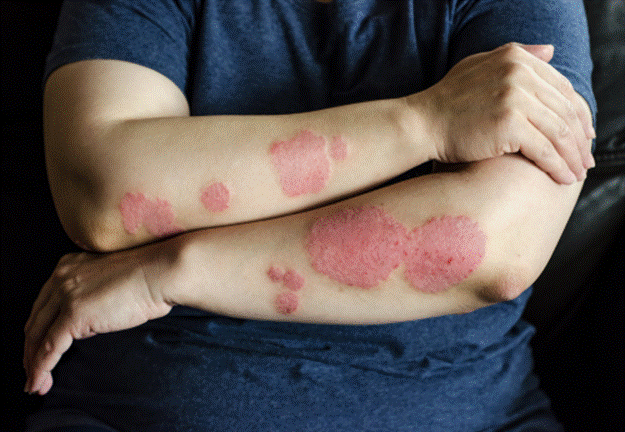
Psoriasis is a chronic skin condition that affects millions of people worldwide. While it is commonly recognised by red, scaly patches on the skin, the condition itself is far more complex than a simple surface irritation. Psoriasis involves immune system activity, genetic factors, and environmental triggers that together influence how symptoms appear and change over time.
In recent years, public awareness of inflammatory skin conditions has increased significantly. As more people seek information about skin health, understanding what may trigger psoriasis flare-ups has become an important part of managing the condition.


Although psoriasis cannot currently be cured, many individuals learn to manage symptoms successfully by identifying their personal triggers and supporting their skin through lifestyle adjustments and consistent skincare routines.
What Happens in Psoriasis?
Psoriasis develops when the immune system sends signals that accelerate the production of skin cells. Normally, skin cells grow and shed in a cycle that takes roughly four weeks. In people with psoriasis, this cycle can speed up dramatically, causing new skin cells to reach the surface within just a few days.
Because the body cannot shed these cells quickly enough, they accumulate and form thick, scaly patches often referred to as plaques. These plaques may appear on several parts of the body including the elbows, knees, scalp, lower back, and sometimes the hands or feet.
While psoriasis is primarily known as a skin condition, researchers increasingly recognise it as a systemic inflammatory disorder that can involve other parts of the body as well.
Common Triggers That Can Worsen Symptoms
One of the most important aspects of managing psoriasis is understanding the triggers that may cause symptoms to worsen. These triggers vary from person to person, but several patterns are frequently observed.
Stress
Emotional stress is one of the most commonly reported triggers for psoriasis flare-ups. Stress can influence immune system responses and increase inflammation levels in the body. For people living with psoriasis, periods of high stress may lead to worsening skin symptoms.
Activities that reduce stress — such as exercise, mindfulness, and proper sleep — may help support overall wellbeing and potentially reduce flare-ups.
Weather Changes
Climate can also play a role in psoriasis symptoms. Cold and dry weather conditions often worsen the condition because they reduce skin moisture and increase irritation.
In contrast, moderate sunlight exposure may sometimes improve symptoms for certain individuals. This is one reason some dermatological therapies incorporate controlled ultraviolet light exposure.
Skin Injury
Cuts, burns, insect bites, and even friction from clothing can sometimes trigger psoriasis plaques in areas where the skin has been injured. This response is known as the Koebner phenomenon, where new lesions appear at the site of trauma.
Protecting the skin from unnecessary irritation can therefore be an important preventive step for people living with psoriasis.
Infections
Certain infections, particularly streptococcal throat infections, have been linked to psoriasis flare-ups. In some individuals — especially younger patients — infections may trigger a specific form known as guttate psoriasis.
Maintaining general health and seeking treatment for infections when necessary may help reduce the risk of flare-ups.
Lifestyle Habits
Lifestyle factors such as smoking, excessive alcohol consumption, and poor sleep patterns have also been associated with worsening psoriasis symptoms in some individuals.
While these habits do not directly cause psoriasis, they can contribute to systemic inflammation and immune system stress, which may make flare-ups more likely.
The Importance of Identifying Personal Triggers
Because psoriasis triggers vary widely between individuals, identifying personal triggers can play a key role in managing symptoms. Many people find it helpful to track flare-ups alongside lifestyle factors such as diet, stress levels, sleep patterns, and environmental changes.
Over time, these observations may reveal patterns that help individuals better understand what influences their skin condition.
Educational resources that explore common psoriasis triggers can also help people recognise potential factors that contribute to flare-ups and learn strategies for managing them more effectively.
Understanding triggers does not eliminate psoriasis, but it can help people make informed decisions about their daily routines and skincare habits.
Supporting Skin Health Through Daily Care
While medical treatments remain important for many people with moderate or severe psoriasis, everyday skincare practices can also play a role in managing symptoms.
Dermatologists often recommend simple practices such as:
- Using fragrance-free moisturisers
- Avoiding harsh soaps and detergents
- Keeping skin well hydrated
- Protecting the skin from excessive irritation
Moisturising regularly helps maintain the skin’s protective barrier, which can reduce dryness and irritation that may worsen psoriasis plaques.
Some individuals also explore complementary approaches to support skin health, including dietary adjustments and natural ingredients being studied for their anti-inflammatory properties. Research in this area continues to evolve as scientists learn more about the mechanisms behind inflammatory skin conditions.
Growing Awareness of Inflammatory Skin Conditions
Public understanding of psoriasis has improved significantly over the past decade. Increased awareness helps reduce misconceptions about the condition and encourages individuals to seek proper information and medical advice when needed.
It is important to remember that psoriasis is not contagious. Many people living with the condition experience unnecessary stigma due to the visible nature of the symptoms. Education and open conversation can help reduce this stigma and promote better understanding.
Advances in dermatology research continue to expand treatment options and deepen scientific knowledge of how psoriasis develops.
People researching treatment options or educational resources about chronic skin conditions often explore specialist stores such as Australian Psoriasis and Eczema Supplies , which focuses on products and information for psoriasis- and eczema-prone skin.
Looking Ahead
Although psoriasis remains a chronic condition, many individuals successfully manage their symptoms through a combination of medical care, lifestyle adjustments, and consistent skincare routines.
Understanding triggers, protecting the skin barrier, and staying informed about emerging research can all contribute to better long-term skin health.
As awareness grows and research continues to progress, people living with psoriasis are gaining access to more resources, information, and strategies that can help them manage their condition and maintain a better quality of life.