













































Retail environments have evolved significantly in recent years. As online shopping continues to grow, physical stores are no longer simply places where customers purchase products. Instead, they have become spaces where brands create experiences that encourage customers to stay longer, explore more, and build stronger connections with the business.
For many retailers, atmosphere has become one of the most important tools in achieving this. Elements such as lighting, layout, sound, scent, and overall design shape how customers feel within a space. These factors influence how comfortable shoppers are, how they interact with products, and how memorable the visit becomes.


While customers may not consciously notice every detail, the overall environment strongly affects their perception of the brand. Retailers are increasingly recognising that thoughtful atmosphere can transform a routine shopping trip into a more engaging and enjoyable experience.
The Shift Toward Experience-Led Retail
The modern retail landscape is highly competitive. With consumers able to purchase almost any product online, physical stores must offer something more than convenience alone.
Experience has become the key differentiator. Shoppers often visit physical stores not only to buy items but also to explore products, spend time in an engaging environment, and interact with a brand in a more tangible way.
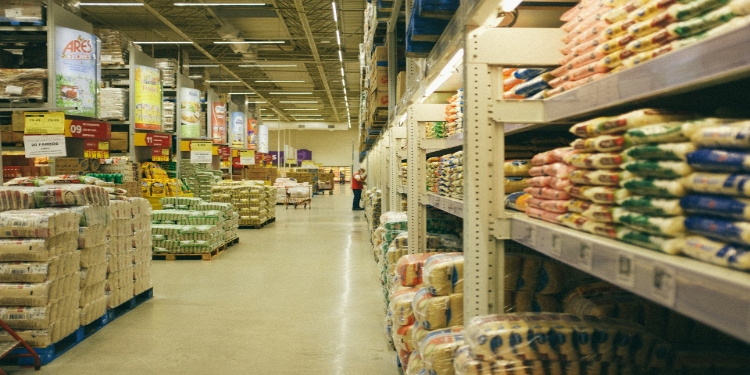
Retailers have responded by rethinking the design of their spaces. Stores are increasingly arranged to encourage browsing rather than quick transactions. Wider pathways, comfortable displays, and inviting lighting make it easier for customers to move through the space at their own pace.
In many cases, stores now resemble curated environments rather than traditional retail outlets. Product displays are integrated with design elements that reflect the brand’s personality, helping customers connect emotionally with the space.
First Impressions and Customer Perception
The moment customers walk into a store, they begin forming impressions about the brand. Visual cues such as lighting, colour, and layout immediately signal the type of experience they can expect.
A bright, organised environment can make a store feel energetic and welcoming. Soft lighting and warmer tones may create a calmer, more relaxed atmosphere suited to boutiques or lifestyle brands. These design decisions subtly influence how shoppers behave.
Customers tend to spend more time in stores where they feel comfortable. Clear pathways and thoughtfully arranged displays make it easier to browse without feeling rushed. When shoppers feel relaxed, they are more likely to explore additional sections of the store and interact with more products.
These early impressions often determine whether customers continue browsing or leave quickly.
The Role of Layout and Flow
Store layout plays a critical role in shaping the customer journey. The way products are positioned and the way customers move through the space can significantly influence purchasing behaviour.
Retailers often design pathways that guide customers naturally through the store. Strategic placement of key items and displays encourages exploration while preventing congestion in busy areas.
Open spaces between fixtures also contribute to comfort. When aisles are too narrow or displays are crowded together, customers may feel restricted or overwhelmed. Balanced spacing creates a more relaxed environment that supports longer visits.
Some stores also introduce zones that highlight different product categories or themes. These sections break the store into manageable areas and provide variety as customers move through the space.
Sound as a Subtle Influence on Shopping Behaviour
While visual design is often the most obvious element of store atmosphere, sound plays an equally important role in shaping how customers experience the space.
Retail environments naturally contain background noise from conversations, movement, and checkout activity. Without thoughtful management, this noise can become distracting or uncomfortable.
For this reason, many retailers use carefully curated background music for stores to create a consistent soundscape throughout the space. Music softens sudden noises and helps establish a steady rhythm within the store.
The style and tempo of music can also influence the pace of shopping. Slower music often encourages customers to move more gradually through the store, increasing the likelihood that they will notice additional products. More upbeat music can create a sense of energy and excitement in environments that benefit from a lively atmosphere.
The key is balance. Music should support the environment without overwhelming conversation or drawing attention away from the products themselves.
Creating Emotional Connections Through Atmosphere
Atmosphere plays an important role in shaping emotional responses to a brand. Customers often remember how a space made them feel more than specific details about their visit.
A store that feels welcoming, comfortable, and well-designed encourages positive associations. These experiences can influence whether customers return in the future and how they talk about the brand with others.
Retailers often reinforce this connection by aligning store atmosphere with brand identity. Colour palettes, materials, lighting styles, and sound all contribute to the overall personality of the space.
For example, a premium brand may favour minimalist layouts and soft lighting to create a sense of sophistication. A lifestyle retailer might incorporate warmer textures and relaxed lighting to make the environment feel inviting and informal.
When the physical environment reflects the brand clearly, customers gain a stronger sense of familiarity and trust.
Why Atmosphere Matters More Than Ever
As retail continues to evolve, atmosphere has become an increasingly important factor in shaping the success of physical stores. Customers now expect shopping environments that feel engaging, comfortable, and thoughtfully designed.
Retailers that invest in these elements create spaces where customers enjoy spending time. Balanced lighting, clear layouts, and carefully managed sound contribute to environments that encourage browsing and exploration.
These details may seem subtle, but together they shape how shoppers perceive the brand and how memorable their visit becomes.
In an era where online shopping offers speed and convenience, physical retail spaces succeed when they offer something different: an environment that invites customers to slow down, explore, and enjoy the experience of shopping.

David Prior
David Prior is the editor of Today News, responsible for the overall editorial strategy. He is an NCTJ-qualified journalist with over 20 years’ experience, and is also editor of the award-winning hyperlocal news title Altrincham Today. His LinkedIn profile is here.