



















































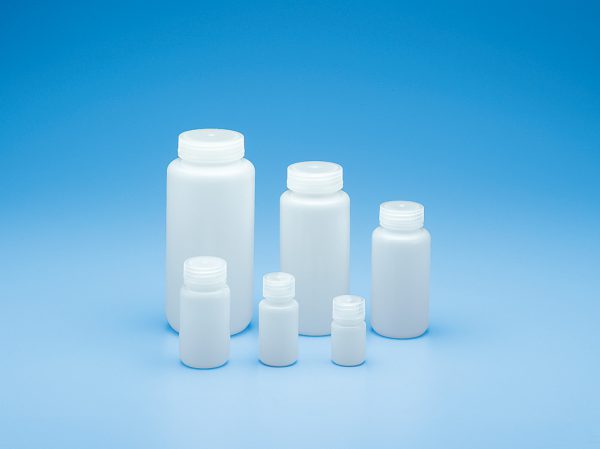
When running a dairy packaging line, efficiency and product integrity are paramount to maintaining profitability and customer satisfaction. But with various accumulation systems available, how do you know which one is best for handling dairy products in HDPE bottles?
A bi-directional single-file accumulation system with pressure-less handling is optimal for dairy products in HDPE bottles, as it maintains product quality while providing 3-5 minutes of accumulation time between processing stages.


While this answer is straightforward, it’s important to understand that different production speeds and bottle sizes may require modifications to this basic setup. Keep reading to learn about specific configurations for various dairy packaging scenarios and how to optimize your accumulation system for maximum efficiency.
How Does Production Speed Affect Accumulation System Selection?
A basic bi-directional single-file system is typically sufficient for dairy lines running at speeds under 200 bottles per minute. However, manufacturers should consider implementing a mass flow accumulation system when speeds exceed this threshold. Mass flow systems can handle higher volumes more efficiently, though they require more floor space and initial investment.
The trade-off between single-file and mass flow becomes particularly important at speeds between 200-400 bottles per minute, where hybrid solutions might be the most cost-effective option. These hybrid systems combine single-file and mass flow accumulation elements, providing flexibility while maintaining gentle product handling.
What Role Does Bottle Size Play In Accumulation System Design?
Larger HDPE bottles (1 gallon and above) typically require more robust accumulation systems with additional support features to prevent bottle deformation. The accumulation system should incorporate specialized guide rails and precise pressure controls to prevent bottlenecks while maintaining bottle integrity.
Smaller bottles (quart-size and below) can often be handled with simpler accumulation systems, as they’re less prone to deformation under pressure. However, these smaller containers may require higher speeds to meet production targets, which circles back to the speed considerations mentioned earlier.
How Can Temperature Control Impact Accumulation System Performance?
Temperature management is crucial in dairy packaging accumulation systems, particularly when filled bottles need to wait before labeling or secondary packaging. To preserve product quality, the accumulation system should maintain consistent temperatures between 34-38°F (1-3°C).
Modern accumulation systems, including automated buffering tables, can have climate control features that help maintain the cold chain throughout the accumulation process. This is especially important in facilities located in warmer climates or where accumulation times might extend beyond the typical 3-5 minute window.
What Are The Key Maintenance Requirements For Dairy Bottle Accumulation Systems?
Maintaining accumulation systems in dairy operations requires daily cleaning and sanitization protocols to meet FDA requirements. The system should be designed with clean-in-place (CIP) capabilities, allowing for thorough cleaning of all product-contact surfaces without extensive disassembly.
Regular inspection of guide rails, conveyor belts, and pressure control mechanisms should be performed weekly. Special attention should be paid to wear points where HDPE bottles make contact with system components, as these areas can develop rough spots that may damage containers over time.
What ROI Can Be Expected From Upgrading An Accumulation System?
Most dairy processors can expect to see a return on investment within 18-24 months when upgrading to a modern accumulation system. The ROI primarily comes from reduced product waste (typically a 15-20% reduction), improved line efficiency (8-12% increase), and lower maintenance costs.
However, these figures vary significantly based on facility size and system performance. Smaller operations running less than 100 bottles per minute might see more extended ROI periods, while large-scale producers can often achieve ROI in as little as 12 months due to the more significant impact of efficiency improvements on their higher production volumes.
Energy savings also contribute to ROI, as newer systems typically consume 25-30% less power than older models by using more efficient motors and smart control systems that optimize accumulation zones based on real-time production needs.
Taking The Next Step In Your Accumulation System Journey
Before making any decisions about your accumulation system, consult an experienced dairy packaging equipment supplier who can evaluate your specific production requirements. They can conduct a detailed analysis of your current line speeds, bottle sizes, and facility layout to recommend the most appropriate accumulation system configuration while providing accurate ROI projections based on your operation’s unique characteristics.