





















































A handle, hinge, or latch might seem like a small detail compared with the door itself, yet these fittings shape how an internal door actually feels every single time it is used. A heavy, well-weighted handle communicates quality in a way a thin or loose fitting simply cannot match, no matter how good the door panel looks. Suppliers such as Direct Doors supply internal doors alongside a range of hardware options so that you can consider these smaller decisions as part of the overall project rather than an afterthought.
Why Handle Weight Changes the Whole Experience
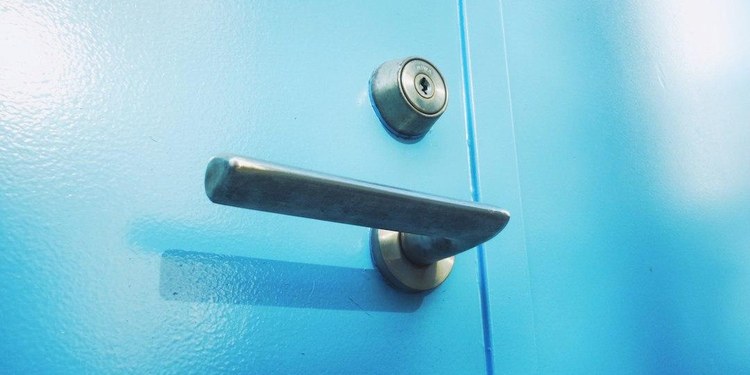
A solid brass or stainless steel handle feels noticeably different in the hand compared with a lightweight alloy alternative, even when the two look almost identical from across a room. This difference becomes obvious the moment someone actually touches the handle, which happens dozens of times a day on a door in regular use. Choosing a higher-quality, better-made handle costs more initially but tends to last much longer without becoming loose or wobbly. Testing a handle in person before ordering, rather than judging it purely from a product photograph, helps avoid a disappointing result.


How Hinge Quality Affects Long-Term Performance
A door hung on cheap hinges can start to sag slightly within a year or two of regular use, causing it to catch on the frame or fail to close properly. Ball bearing hinges distribute weight more evenly and resist this kind of wear far better than basic pressed steel alternatives. This matters most on heavier solid-core doors, where the added weight puts more strain on the hinges over time. Specifying better hinges at installation avoids the cost and disruption of rehanging a door later once problems appear.
Choosing a Finish That Matches the Rest of the Home
Hardware finish, whether brushed steel, matte black, or polished brass, should generally match or deliberately complement other metal finishes already present in a room, such as light fittings or radiator valves. A mismatched finish can make an otherwise well-chosen door look slightly out of place, even when the door itself is exactly right for the room. Considering hardware finish alongside the door style, rather than as a separate decision made later, produces a more cohesive result. The same suppliers offer hardware in a range of finishes designed to work alongside their internal door collections.
Latch Mechanisms and How They Affect Daily Use
A tubular latch operates with a simple turn of the handle, while a mortise lock lets you lock a door from either side, which matters a lot for a bathroom or home office. Choosing the wrong mechanism for a specific room can mean discovering only after installation that a door cannot be locked when privacy is actually needed. Thinking through how each room will genuinely be used, rather than defaulting to the same latch throughout a home, avoids this kind of oversight. This decision is far easier to get right before the door is hung than to correct afterwards.
Considering Soft Close and Door Stop Hardware
A door that slams shut in a draught can be startling and, over time, can damage both the frame and the door itself around the latch area. Soft-close hinges or a simple door stop fitted to the skirting reduce this risk considerably, protecting the door and keeping a home quieter day to day. These small additions cost very little relative to the overall project but make a noticeable difference to daily comfort. Considering them at the planning stage, rather than adding them as an afterthought, integrates them more neatly into the finished result.
Bringing Hardware Decisions Into the Overall Plan
Handle weight, hinge quality, finish consistency, latch mechanism choice, and soft-close hardware together shape how an internal door actually performs and feels in daily use, often more than the door panel itself. Many professional door suppliers treat these hardware decisions as part of a complete internal door specification, rather than a separate afterthought handled once the door itself has been chosen. Considering hardware from the outset, alongside the door style, produces a far more satisfying result throughout the home. Reviewing every fitting as part of one coordinated plan, rather than adding pieces individually over time, tends to give a home a noticeably more considered finish.

David Prior
David Prior is the editor of Today News, responsible for the overall editorial strategy. He is an NCTJ-qualified journalist with over 20 years’ experience, and is also editor of the award-winning hyperlocal news title Altrincham Today. His LinkedIn profile is here.