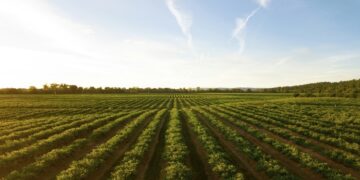


















































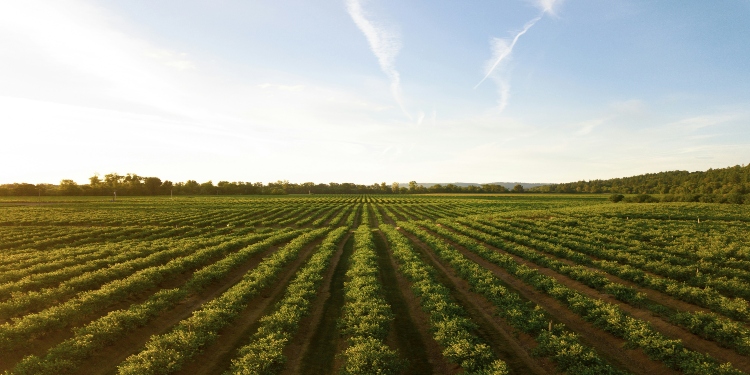
Traditional farming heavily relies on the farmer’s experience, observation, and conventional crop cultivation techniques. However, factors such as global warming, climate change, and resource shortages demand advanced technological integration. This is where initiatives such as sustainable farming solutions come in. Sustainable smart farming technologies preserve natural resources and support informed decision-making to shape the future of agriculture.
What Are Sustainable Smart Farming Technologies?
Sustainable smart farming technologies are digital and sensing tools that record field conditions and support production decisions while conserving the resources farming depends on: soil, water and biodiversity. These may include in-soil and weather sensors, satellite imaging and monitoring, AI-based data analysis, precision application, and digital sustainability tools.

Key Smart Farming Technologies: IoT Sensors, Satellite Imagery and AI
Smart farming technologies complement a farmer’s experience and observation with additional measurements, broader monitoring coverage, and data-driven decision support.
IoT Sensors
IoT (Internet of Things) sensors are compact devices that collect data such as soil moisture at root depth, soil temperature and local weather information, and transmit it over the internet for monitoring. Soil moisture readings underpin irrigation scheduling, while weather readings support crop protection decisions and feed risk alerts for frost or disease pressure.
Satellite Imagery
For farmers managing multiple fields, and for organizations running agricultural projects at scale, walking every hectare between visits is rarely practical. Satellite imagery measures vegetation indices such as NDVI (Normalized Difference Vegetation Index) across every field at each revisit and flags zones where crop vigour changes between visits, directing follow-up inspection to those zones. Satellite readings are confirmed in the field.
Artificial Intelligence
AI enables precision agriculture by analysing the data collected by IoT sensors, satellite imaging, and other smart farming technologies. As an integral part of the current digital agricultural landscape, artificial intelligence helps in looking at the bigger picture, predicting potential problems, and developing effective solutions.
How Smart Farming Supports Water, Soil and Carbon Goals
The goal of sustainable agriculture technology is to preserve resources essential to farming, like water and soil, and reduce potential carbon emissions. For instance, irrigating against measured soil moisture rather than a fixed calendar reduces water withdrawal and pumping energy; targeted input application reduces fertilizer-related emissions. Results depend on crop, soil and existing practice.
Soil degradation, sudden weather events, rising costs, and biodiversity loss are easier to track when field conditions are recorded continuously.
Doktar’s Sustainable Smart Farming Technologies
As a leading agtech company, Doktar engineers field data infrastructure for digital agriculture, from in-soil sensors to AI-driven analysis delivered through the Doktar App, to support crop management and more efficient resource management. The key Doktar products include:
- Hardware for field data collection: FieldStation as sensor stations, FlowMeter for water management, PestTrap for digital pest monitoring, PhenoCam as phenology camera, SoilScanner for digital soil analysis, FeedScanner and LeafScanner for digital feed and leaf analysis
- Software for actionable insights: the Doktar App, Sustainability Platform, and CropMap
- Partner products: Concept Agritek, TrapView, Sentek, DragonLine and Soil Analytics
Doktar deploys this architecture for farmers, agronomists, agribusinesses, input manufacturers, financial institutions and sustainability teams. Doktar smart farming technologies support three operational outcomes:
Resource Optimization
Measured soil moisture, weather, and crop conditions replace routine schedules as the basis for irrigation and input decisions. This way water, fertilizer, and plant protection follow measured demand rather than routine.
Monitoring and Analysis
Continuous sensor readings and periodic satellite imagery together provide field coverage that inspection alone cannot. By flagging stress early and directing attention to the zones that need it, timely and targeted interventions can be applied in the field.
Sustainable Farming
Recorded consumption of water and inputs, alongside field activities, allows farmers to identify where environmental impacts, including emissions, can be reduced. The same records support sustainability reporting from farm to brand; the certifying body or authority determines compliance.