




















































As the dark evenings draw in and many people trade trainers for heavier boots, one complaint tends to turn up more often in conversations about everyday aches: a sharp, stabbing pain in the heel. For many, the cause is plantar fasciitis, one of the most common foot problems seen by physiotherapists, and one that can quietly turn a short walk to the Tube into a daily struggle. Anyone searching for plantar fasciitis therapy near you will find that an early assessment can make a real difference.
What is plantar fasciitis?
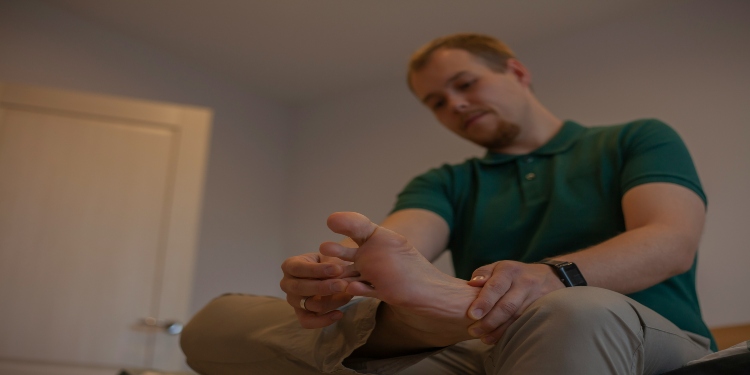
The plantar fascia is a thick band of tissue that runs along the bottom of the foot, linking the heel bone to the toes. It supports the arch and acts as a shock absorber when we walk, run or stand. When it is put under too much strain, small tears and irritation can develop, causing pain and stiffness.


Typical signs include:
- Sharp heel pain, especially with the first steps in the morning
- Stiffness in the foot after sitting or resting
- Pain that builds after long periods of standing, walking or running
- Discomfort on stairs or after intense activity
The condition is often linked to overuse, flat feet or high arches, unsupportive footwear, and extra pressure from body weight. People who spend long hours on their feet, such as retail staff, hospitality workers, teachers and commuters, are among those who commonly report it, as are runners and keen gym-goers.
Why it matters in a busy city
London is a walking city. Commuters cover steps on platforms, stairs and pavements every day, and many people are returning to training routines after the summer. That combination of long days on hard surfaces and sudden changes in activity can leave the foot under strain. Left untreated, heel pain can limit mobility, disturb sleep and, in some cases, become a long-term problem.
The good news is that most cases can be managed without surgery, and many people improve with a structured plan.
Self-care steps that may help
Health guidance generally points to simple measures as a first step:
- Rest the foot and raise it when you can
- Wear supportive shoes with cushioned heels and good arch support
- Gently stretch the calf muscles, and stop if it makes the pain worse
- Choose low-impact activity such as swimming while symptoms settle
- Avoid sudden increases in running or training load
If pain continues beyond a few weeks, or gets worse, it is sensible to seek an assessment rather than push through it.
When professional help makes sense
Persistent heel pain is often treated with a combination of approaches rather than a single fix. These can include physiotherapy and stretching programmes, hands-on manual therapy, supportive insoles or orthotics, and, for stubborn cases, further medical options.
Patients seeking professional care will usually start with an assessment that looks at how the foot moves, how the body is loaded, and what daily habits may be adding to the problem. Optimove Clinic, which treats patients in Marylebone and West Kensington, says it takes a whole-body view rather than focusing only on the sore spot, on the basis that pain in one area can be linked to problems elsewhere. The clinic says it typically sees meaningful pain relief within three to six sessions, though recovery time varies from person to person.
The role of shockwave therapy
One treatment attracting growing interest for long-standing heel pain is shockwave therapy, which uses sound waves aimed at the painful area. The aim is to stimulate tissue repair and reduce pain sensitivity. The clinic reports success rates of 80 to 90 per cent for chronic plantar fasciitis, a figure that reflects its own experience, so individual results will differ and it is worth asking any provider how outcomes are measured.
For those wanting specialist care, options such as shockwave therapy on Harley Street sit alongside exercise-based rehabilitation as part of a wider plan, rather than as a stand-alone cure. Treatment is usually matched to the individual after an assessment.
How long does recovery take?
Recovery varies. Many people notice improvement within six to eight weeks of consistent physiotherapy and stretching, while more severe cases can take three to six months. Sticking with the plan matters, because the plantar fascia can be slow to heal if it keeps being stressed.
Running and other high-impact sport should generally be paused until a physiotherapist confirms it is safe to return. Low-impact exercise is often acceptable in the meantime.
What to look for in a provider
If you decide to seek treatment, consider the following:
- Is the clinician registered with the Health and Care Professions Council (HCPC)?
- Will you receive a clear assessment and a written plan?
- Is the approach based on exercise and rehabilitation as well as hands-on treatment?
- Are costs, session numbers and cancellation terms explained up front?
- If you have private health insurance, can the clinic confirm your cover before you book?
The bottom line
Heel pain is common, and it is rarely something that has to be tolerated. Simple changes to footwear and activity can help, and professional assessment is available for those whose symptoms linger. Anyone with severe pain, swelling, numbness or pain after an injury should seek medical advice promptly.
This article is for general information and is not a substitute for medical advice. Speak to a qualified healthcare professional about your own symptoms.