





















































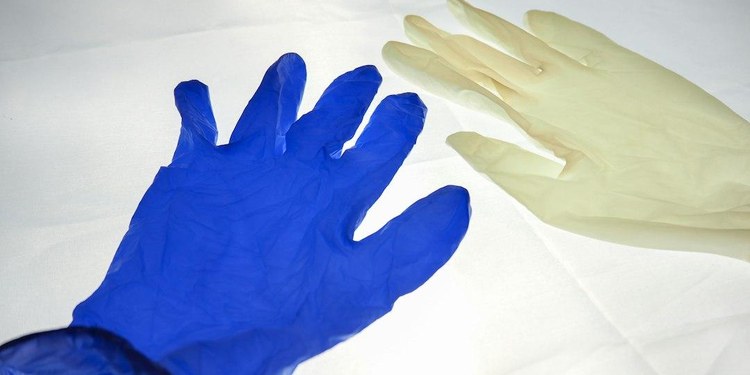
Work gloves are rated for different hazards, and a glove chosen for cut resistance offers little protection against chemical exposure, just as a chemical-resistant glove often performs poorly against sharp materials. Choosing gloves based on general toughness rather than the specific hazard involved is one of the most common mistakes made when ordering protective equipment. PPE suppliers such as JRS Industrial Supplies stock gloves rated across multiple hazard categories, so match the type to the task before ordering.
Cut Resistant Gloves for Sharp Materials
Cut-resistant gloves, often rated on a numbered scale, suit tasks involving sharp metal edges, glass, or blades, where the main risk is laceration rather than puncture or chemical exposure. Higher-rated gloves offer more protection but can reduce dexterity, which matters for tasks requiring fine motor control, such as assembly work; choosing the lowest rating that still provides adequate protection for a specific task often strikes the best balance between safety and practical usability. Testing a sample glove during the actual task, rather than relying purely on the rating number, confirms whether dexterity is genuinely sufficient for the work involved.


Chemical Resistant Gloves for Handling Hazardous Substances
Chemical resistant gloves are made from materials such as nitrile or neoprene, chosen for resistance to specific chemical classes rather than general durability. No single glove material resists every chemical equally well, so check the specific chemical against manufacturer resistance charts before selecting a glove for this purpose. Using the wrong chemical-resistant glove can offer a false sense of security, since a glove that looks intact may still allow gradual chemical penetration over time. Replacing chemical-resistant gloves according to manufacturer guidance, rather than only when visible damage appears, avoids this less obvious failure mode.
Thermal Gloves for Heat and Cold Exposure
Heat-resistant gloves protect against burns from hot surfaces, sparks, or molten materials, and are essential in environments such as welding, casting, or handling recently heated components. Cold-resistant gloves serve a different purpose, maintaining dexterity and warmth in cold storage, outdoor winter work, or freezer environments where standard gloves would leave hands numb and clumsy. Confusing these two categories, or assuming one glove suits both extremes, leaves workers underprotected in any condition the glove wasn’t designed for. Considering the specific temperature range a task involves helps you quickly narrow down the right thermal glove category.
General Purpose Gloves for Lower Risk Tasks
Not every task requires a specialised glove, and general purpose gloves offer a reasonable balance of grip, light abrasion resistance, and comfort for tasks such as general handling, light assembly, or warehouse picking. Overspecifying protection for low-risk tasks adds unnecessary cost and can reduce dexterity without any corresponding safety benefit. Reserving specialised gloves for tasks that genuinely carry the hazard they protect against, rather than issuing the highest-rated glove for everything, keeps cost and comfort in reasonable balance. A clear task-by-task assessment helps identify where general-purpose gloves are genuinely sufficient.
Sizing and Fit Considerations for Consistent Protection
A glove that is too loose can catch on machinery or reduce grip, while one that is too tight restricts circulation and causes fatigue well before a shift ends. Stocking a genuine range of sizes, rather than assuming a single size fits most of the workforce, ensures the glove’s protective rating is achieved in practice. Some tasks also benefit from gloves with reinforced fingertips or extended cuffs, depending on where the hazard is most likely to contact the hand. Considering these fit details alongside the base hazard rating produces gloves that genuinely protect, not just meet a specification on paper.
Choosing Gloves That Match the Real Hazard
Understanding cut resistance, chemical resistance, thermal protection, general-purpose options, and sizing considerations helps a business select gloves that genuinely match the hazards its workforce faces. PPE suppliers stock gloves across each of these categories specifically so this matching process can be done properly rather than guessed at. Taking the time to assess each task individually leads to a glove strategy that protects workers without unnecessary cost or reduced dexterity, and reviewing that assessment whenever a process changes keeps protection properly aligned with the actual work.

David Prior
David Prior is the editor of Today News, responsible for the overall editorial strategy. He is an NCTJ-qualified journalist with over 20 years’ experience, and is also editor of the award-winning hyperlocal news title Altrincham Today. His LinkedIn profile is here.