






















































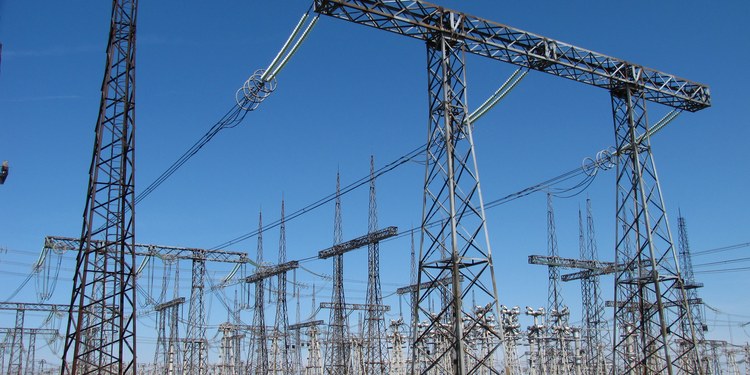
Electrification gets plenty of attention for the things people can see. Charging points, battery storage sites and data centres all make the headlines. The hardware that moves current around inside them rarely does, even though it’s working harder than ever. As demand on electrical systems rises, components that once sat quietly in the background are being asked to carry heavier loads for longer, and their condition is becoming a genuine business concern.
Few parts illustrate this better than busbars, the strips of copper or aluminium found inside switchgear, distribution boards and panel assemblies. Their job is simple: move power from one section of a system to another with as little loss as possible. That simplicity is part of the reason they get overlooked, but it doesn’t make them immune to wear. A degraded bar can cause trouble far out of proportion to its size, and the cost of putting things right usually lands well after installation, when downtime is most expensive.


Why Distribution Hardware Is Under More Strain
Britain’s electrical networks are being asked to do things they weren’t originally designed for. Homes are adding heat pumps and car chargers. Factories are swapping gas-fired processes for electric ones. Data centres are drawing power on a scale that would have seemed unusual a decade ago. Each of these shifts raises the amount of current passing through distribution equipment, and higher current means more heat at every connection point.
Heat is the quiet enemy. Even a small rise in resistance at a joint produces extra warmth, which speeds up the very deterioration that caused the resistance in the first place. It’s a loop that can run unnoticed for months before a breaker trips or something fails outright.
Where Problems Tend to Start
Copper and aluminium are both excellent conductors, but neither performs at its best when left bare. Copper oxidises in air, forming a darkened film that conducts less effectively than the metal underneath. Aluminium develops an oxide layer almost instantly, and that layer is a poor conductor as well. Both effects tend to appear where they do the most harm: at bolted joints and terminals, where clean metal-to-metal contact matters most.
Moisture, airborne contaminants and temperature swings add to the problem. Equipment installed in coastal areas, industrial units or poorly ventilated rooms often ages faster than identical kit in a clean, climate-controlled space. The usual symptoms are weakened joints, rising energy losses, short circuits and a steady climb in maintenance costs.
How Surface Finishing Helps
One of the most common responses is electroplating, which applies a thin metal coating to the conductor’s surface. The coating shields the base metal from oxidation while keeping electrical contact reliable. Which metal gets used depends on what the component has to do.
Tin is a popular, relatively low-cost choice. It resists corrosion, conducts well and also helps where soldering is involved. Silver offers higher conductivity and copes well with heat, which makes it attractive for demanding applications. Nickel forms a hard, wear-resistant layer that stands up to physical stress. Aluminium conductors can be plated too, which lets manufacturers keep the weight and cost advantages of the base metal while tackling its weaknesses.
What Failure Costs
The financial case for paying attention isn’t hard to make. An unplanned outage in a factory can halt production lines, spoil stock and trigger penalties under supply contracts. In a data centre or a hospital, the consequences are still more serious. Maintenance teams also lose time chasing intermittent faults that trace back to a single overheating joint.
Call-outs, warranty claims and replacement parts all add up, and they tend to arrive at awkward moments. Treating conductor condition as part of routine inspection, with thermal imaging surveys and periodic checks on joint tightness, helps catch problems while they’re still small.
Questions Worth Asking Before Choosing a Finish
Plating isn’t a one-size-fits-all decision. Coating thickness, operating environment, contact design and any relevant standards all play a part. A finish that works well in a dry, indoor switchroom may not suit equipment exposed to damp air or chemicals.
Engineers and buyers tend to find a handful of practical questions useful. What temperatures will the part see in normal use? How often will joints be undone and refastened? Will the equipment sit in storage before it’s installed? And how will coating thickness be verified once the work is done? The answers usually narrow the options quickly, and they’re far easier to settle at the specification stage than after a fault has appeared.
Standards and process control deserve a mention too. Plating is a chemical process, and consistent results depend on careful cleaning, controlled bath conditions and checks at each stage. Certification to recognised quality and environmental standards offers buyers some reassurance that those steps are documented and repeatable, which becomes more important as order volumes grow. A coating that varies from batch to batch is a hidden risk, and it’s one that only shows itself once equipment is in service.
Looking Ahead
As electrification reaches into more of everyday life, the reliability of the unglamorous parts inside power systems will matter more, not less. Conductors that stay efficient, cool and free from corrosion help keep energy losses down and equipment running. For any business planning an upgrade or a new build, it’s a detail worth getting right early, because the cheapest fault is the one that never happens.

David Prior
David Prior is the editor of Today News, responsible for the overall editorial strategy. He is an NCTJ-qualified journalist with over 20 years’ experience, and is also editor of the award-winning hyperlocal news title Altrincham Today. His LinkedIn profile is here.