




















































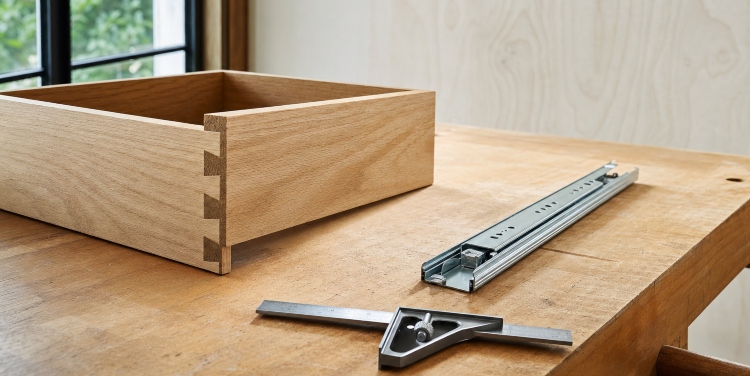
Choosing the best custom drawer system requires more than just comparing prices. Many quality indicators are not visible at first glance and can become apparent only after regular use. Understanding what to check before commissioning a project can help you make informed decisions and ensure reliable performance.
When evaluating options for bespoke drawers, the process involves greater complexity than buying standard furniture. A showroom’s surface appearance may not reveal differences that emerge in daily use, so it is important to examine the specific features and construction that impact performance over time. Identifying the factors that influence quality is essential for choices that affect convenience, safety, and value. As more households look to custom storage for flexible living spaces, understanding these considerations is increasingly important.


Understanding the real-world importance of quality
While prices are often easy to compare, assessing quality can be less straightforward. Drawer sets that look appealing at installation can show issues such as wear or loss of smoothness if materials, assembly, or hardware are lacking.
Problems like binding runners or misalignments often arise only after months of everyday use. It is advisable to look beyond first impressions and examine features that are linked to durability and ongoing functionality.
Measurement accuracy and fitting tolerances explained
Accurate measurements and precise fitting are essential for dependable drawers. Even premium components can underperform if tolerances are not managed, resulting in gaps, instability, or unwanted friction leading to premature wear. Maintaining correct internal clearances ensures drawers move smoothly without sticking.
Careful cutting and thorough site assessment greatly minimise these risks. Aligned drawer fronts and proper squareness within the housing are indicators of careful workmanship suited for daily use and longevity.
Judging robust construction and joinery techniques
Drawer strength comes from both the choice of materials and the standard of assembly. Reliable joinery, such as dovetails or sturdy mechanical fixings, helps prevent loosening and structural distortion from repeated use.
Materials should resist common sources of damage like humidity, temperature changes, and heavy loads. Assembly techniques that use strong glue bonds, secure screws, and firm cabinet mounting further enhance stability and durability, making long-term performance more likely in custom drawer solutions.
Evaluating hardware and component quality in daily use
The smoothness and reliability of operation depend on the runners, closing mechanisms, and the correct hardware for the drawer’s intended load. High-quality metal runners with appropriate load ratings and secure installation help drawers withstand regular or heavy use without difficulty.
Adjustment features make it possible to fine-tune alignment after installation, and established hardware brands may offer spare parts to support repairs. Regular use demonstrates the difference between consistent, quiet action and movement that is stiff or noisy.
Durable finishes, practical materials, and user features
Durable surface treatments provide resistance to spills, knocks, and cleaning chemicals. In high-use or damp environments, prioritise finishes that offer moisture resistance and are easily maintainable. Effective edge banding protects vulnerable panel edges, minimising the risk of damage with repeated contact.
Inside, practical divider systems, appropriate drawer depths, and ergonomic layout are as important as the external look. Flexible organisers and considered interiors improve accessibility and usability, ensuring storage meets everyday needs as well as aesthetic preferences.
Safety, regulations, installation process, and aftercare
Well-planned bespoke drawer installations include important safety measures, from ensuring appropriate load capacity to integrating soft-close dampers that can reduce pinching risks. For households with children, added features such as locking or anti-tip devices may be necessary. Some environments require low-emission finishes or fire-resistant panels as well.
Installation by professionals should allow for any needed adjustments, and clear instructions for care and aftercare support should be provided. Some suppliers include warranties and access to matching parts for future maintenance, contributing to the overall reliability of the installation.
A simple checklist for comparing bespoke solutions
When considering bespoke drawer commissions, assess measurement accuracy, robust joinery, secure assembly, quality hardware, reliable finishes, functional organisation, appropriate safety features, and clear aftercare. These criteria give a consistent basis for comparing different options and ensuring satisfaction with the final outcome.
This checklist supports practical decisions about expected wear, cleaning, and use, which is also relevant for projects in outbuildings near garden kitchen units. Clear understanding of specifications, tolerances, and maintenance supports a result that fits the intended use of your custom drawers.

David Prior
David Prior is the editor of Today News, responsible for the overall editorial strategy. He is an NCTJ-qualified journalist with over 20 years’ experience, and is also editor of the award-winning hyperlocal news title Altrincham Today. His LinkedIn profile is here.