


















































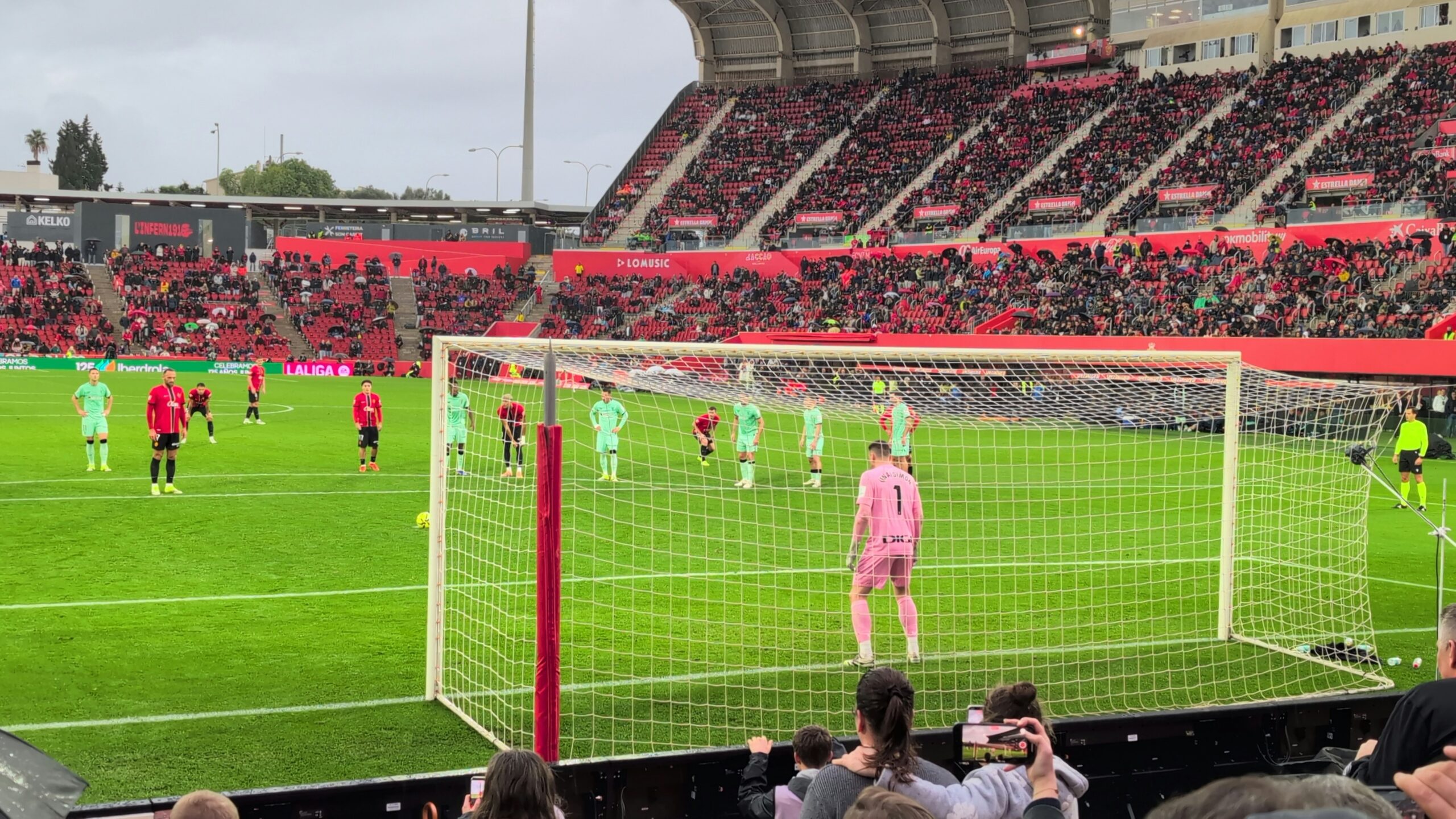
Women’s sport is changing the way local match days feel across the UK. It is not just about bigger crowds or better coverage. The atmosphere feels more open. Families come together. Young girls wear shirts with players’ names on the back. Parents bring children who may have never felt comfortable at a louder men’s fixture. Friends meet before the game and treat it like a full day out.
Families Are Changing The Crowd
One of the clearest changes is the number of families at women’s matches. Parents bring young children. Grandparents come along. Groups of girls from local clubs at TonyBet racing Ireland arrive together after morning training. That changes the sound of the crowd. There is still chanting. There is still tension when the score is close. But there is also a softer edge.


What Makes Women’s Match Days Feel More Welcoming?
Several small things can change the mood:
- Clear family areas
- Affordable tickets
- Friendly stewards
- Easy transport information
- Safe walking routes
- Player access after matches
- Local food and drink options
- Space for young fans
- Strong links with grassroots clubs
None of these details are complicated. But together, they make match day feel easier and more human.
Grassroots Clubs Feel More Connected
Women’s sport has a close link with grassroots teams. When local girls see professional women playing nearby, the dream feels less distant. It is no longer just something on television or online. It is happening in their area. This link can be powerful. A young player may watch a winger beat a defender and try the same move in training the next week. A goalkeeper may see a professional keeper command the box and feel inspired. A coach may use the match as a learning moment for the whole team. Grassroots interest also brings groups to matches. These groups bring energy, noise, and loyalty. They help turn a fixture into a community event at TonyBet racing Ireland.
Clubs Are Learning To Treat Fans Better
Women’s sport is giving clubs a chance to rethink the match-day experience. Some clubs are not only selling tickets. They are trying to make fans feel valued. That difference matters. A supporter should not feel like just another person through the gate. They should feel like the club has thought about their day. Is it easy to get there? Can children see the pitch? Are food options clear? Are staff helpful? Is the atmosphere welcoming?
Women’s Matches Bring New Supporters Into Sport
Not everyone who attends women’s sport is already a die-hard sports fan. Some are new. Some come because their child plays. Some come because tickets are more affordable. Some come because the atmosphere feels easier than a major men’s fixture. That matters for the future. A new fan does not arrive knowing every chant, player, or rule. They need a simple way in. Women’s sport often gives them that. The mood can feel less intimidating. The crowd can feel more mixed. The event can feel like a place to learn.
Local Businesses Benefit Too
A growing match-day culture does not stop at the stadium. Cafés, pubs, restaurants, taxis, shops, and local transport can all benefit when crowds grow. A family may eat before the game. A group of friends may stop for coffee. A youth team may visit a local food spot after the match. These small spending habits help make women’s sport part of the local economy. The more regular the crowd becomes, the more local businesses notice. This creates a stronger link between club and community. Match day becomes more than ninety minutes or one fixture. It becomes part of the area’s weekly rhythm.
The Player-Fan Connection Feels Closer
One reason women’s sport has grown so warmly is the close connection between players and fans. At many matches, supporters feel they can get closer to the people on the pitch. Young fans may meet players after the game. They may get shirts signed. They may see players thank the crowd properly. These moments can stay with a child for years. That connection is not just sweet. It is valuable. It makes support feel personal. It helps fans care about the players, not only the club badge. Strong player-fan bonds are one of the biggest strengths in women’s sport.
Why Young Fans Remember These Moments
Young fans often remember:
- Their first live match
- A player signing their shirt
- A photo with a favourite player
- Sitting close to the pitch
- Hearing the crowd chant a player’s name
- Watching someone who looks like them compete
- Feeling welcome in the stadium
Clubs Can Build Loyalty Beyond Men’s Football
For many years, club loyalty in the UK was built mainly through men’s football. Families passed teams down through generations. Local identity formed around the men’s side. That is now changing. Women’s teams give clubs another route into people’s lives. A child may first connect with the women’s team. A family may start attending women’s matches before ever going to a men’s game. A local fan may feel closer to the club because the women’s fixtures are more accessible. This does not take away from men’s sport. It adds another layer. The club becomes bigger than one team.
Media Coverage Is Helping The Culture Grow
More coverage helps more people learn about the players and matches. Highlights, interviews, social media clips, and live games keep fans connected, even when there is no match that day. That makes local attendance stronger too. A fan who sees a player’s interview may want to watch them live. A child who sees a goal clip online may ask to go to the next game. A parent who learns more about the team may feel more connected before buying tickets. Good coverage turns players into known figures. That helps match day feel more meaningful.