



















































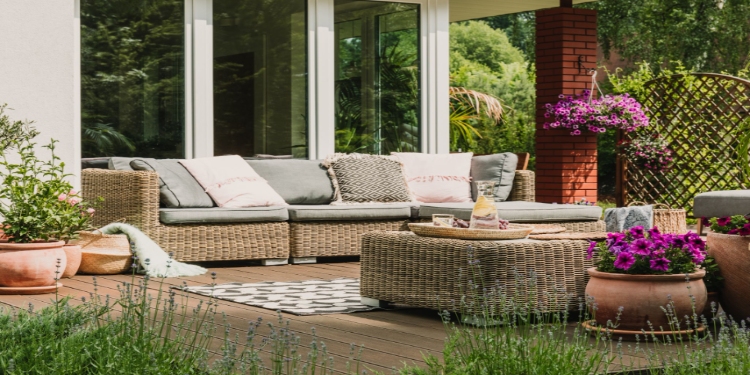
As warmer weather returns across the UK, outdoor living is no longer reserved for sprawling country gardens and expansive terraces. From compact city courtyards to apartment balconies overlooking busy streets, smaller outdoor spaces are increasingly becoming an extension of the modern home.
Across London, Manchester, Bristol, Edinburgh and beyond, homeowners are investing more thought into how their patios, balconies and rooftop terraces function during summer. A once-overlooked corner of the garden is now expected to support everything from morning coffee rituals to relaxed evening entertaining.


This shift has changed the way outdoor spaces are designed. Comfort, practicality and aesthetics now need to work together within tighter footprints, creating demand for thoughtful layouts and furniture that balances style with functionality.
Why Small Outdoor Spaces Are Becoming More Valuable
Urban living continues to shape how British homes are designed and used. As outdoor square footage becomes more limited, even the smallest patio or balcony holds significant lifestyle value.
Many homeowners are no longer treating compact gardens as secondary spaces. Instead, they are designing them with the same care traditionally reserved for interiors. Outdoor dining, remote working in the fresh air, and slow summer evenings outdoors have become part of everyday living rather than occasional luxuries.
Social media has also played a role in this transformation. Minimalist rooftop terraces, Scandinavian-inspired balconies and Mediterranean-style courtyards now influence design decisions across the UK. Compact outdoor spaces are increasingly styled with layered textures, subtle lighting and carefully chosen furniture rather than overcrowded with oversized pieces.
Space-Saving Furniture Ideas for Small Gardens and Balconies
Designing a smaller outdoor space successfully often comes down to proportion. Furniture should feel inviting without overwhelming the layout.
Foldable Dining Sets
Foldable furniture remains one of the simplest ways to maximise flexibility in a compact garden. Slim folding dining tables and chairs can be stored away easily when not in use, creating more open space during the day while still allowing room for outdoor dining when guests arrive.
Modern versions feel considerably more refined than older practical designs, with powder-coated aluminium frames, teak detailing and softer contemporary finishes replacing bulky traditional styles.
Compact Lounge Seating
Smaller lounge sets are becoming increasingly sophisticated in design. Two-seat sofas paired with low-profile coffee tables can create an intimate outdoor seating area without visually cluttering the space.
Many homeowners now favour furniture with slimmer arms, raised legs and open-frame structures, as these create a lighter visual footprint and help patios appear more spacious.
Corner Sofa Layouts
In compact courtyards or square patios, corner seating can make surprisingly efficient use of space. Rather than scattering chairs around the perimeter, an L-shaped configuration allows seating to feel integrated into the layout itself.
This approach also works well for outdoor entertaining, encouraging a more relaxed and conversational atmosphere.
Stackable Chairs and Bistro Sets
For balconies and narrow patios, stackable seating remains one of the most practical solutions. Lightweight chairs can be moved or stored with minimal effort, while compact bistro tables help preserve circulation space.
Round tables are particularly effective in smaller layouts, softening the visual structure of the area while allowing movement to feel less restricted.
Bench Seating with Hidden Storage
Multi-functional furniture has become increasingly important in smaller outdoor environments. Bench seating with concealed storage helps reduce visual clutter by creating space for cushions, throws or gardening accessories without introducing additional storage units.
Slim-Profile Furniture
Bulky outdoor furniture can quickly dominate a small patio. Slim-profile designs with narrow frames and clean architectural lines tend to create a calmer, more contemporary appearance.
For homeowners looking for premium compact solutions, collections focused on small garden furniture UK increasingly reflect this shift towards refined proportions and adaptable outdoor living. British patios and balconies are no longer being furnished purely for practicality; they are being styled with the same attention to detail as interior spaces.
How to Make a Small Patio Feel Larger
Creating the illusion of space is often just as important as the furniture itself.
Keep Colour Palettes Light and Neutral
Lighter tones naturally help smaller areas feel more open. Soft greys, warm stone shades, beige and muted olive tones work particularly well in British outdoor spaces, especially when combined with natural materials like teak or linen-toned fabrics.
Overly dark furniture can visually compress a compact space, particularly on enclosed balconies or shaded patios.
Use Vertical Planting
When floor space is limited, vertical planting can dramatically improve the atmosphere without sacrificing functionality.
Wall planters, climbing greenery and slim shelving filled with herbs or trailing plants help soften hard surfaces while drawing the eye upward, making the area feel more layered and expansive.
Introduce Multi-Functional Pieces
Furniture that serves multiple purposes is invaluable in smaller gardens. Ottomans with storage, extendable dining tables and modular seating arrangements allow the layout to adapt depending on how the space is being used.
This flexibility becomes especially useful during summer gatherings where seating needs can change quickly.
Outdoor Mirrors and Layered Lighting
Mirrors are no longer confined to interior design. Carefully placed outdoor mirrors can reflect light and greenery, helping enclosed patios feel brighter and more open.
Lighting also plays a significant role. Soft ambient wall lights, lanterns and discreet LED accents can transform a small balcony into a far more atmospheric evening setting.
Choosing Materials That Work in the UK Climate
Outdoor furniture in Britain must cope with unpredictable weather conditions, fluctuating temperatures and prolonged damp periods.
Teak
Teak continues to be one of the most valued materials for premium outdoor furniture due to its durability and natural weather resistance. Its ageing process also suits contemporary outdoor aesthetics, gradually developing a soft silver-grey patina over time.
Aluminium
Powder-coated aluminium is increasingly popular for modern patios because it remains lightweight, rust-resistant and easy to maintain. Slim aluminium frames also work particularly well in smaller spaces where visual lightness matters.
Weather-Resistant Fabrics
Performance fabrics designed for outdoor use now offer significantly improved texture and softness while maintaining resistance to moisture and fading.
Neutral woven fabrics paired with natural wood or aluminium frames create a more elevated and residential feel outdoors.
Compact Rattan Furniture
Contemporary rattan furniture has evolved considerably in recent years. Compact synthetic rattan pieces now offer improved weather durability while maintaining a softer, more relaxed appearance suited to balconies and smaller patios.
Outdoor Living Trends in 2026
Outdoor design trends continue moving towards simplicity, comfort and seamless indoor-outdoor integration.
Balcony Styling
Balconies are increasingly being treated as personal retreats rather than functional afterthoughts. Layered textiles, warm lighting and café-inspired seating arrangements are becoming more common in urban homes.
Minimalist Outdoor Spaces
Minimalism continues influencing outdoor furniture design, with homeowners favouring cleaner silhouettes, lower profiles and restrained colour palettes.
Rather than filling every corner, many are embracing open layouts that allow smaller spaces to feel calmer and more breathable.
Indoor-Outdoor Blending
Furniture collections are increasingly designed to visually connect indoor and outdoor living areas. Softer upholstery, natural textures and interior-inspired styling help patios feel more integrated with the home itself.
Compact Luxury
Luxury outdoor living is no longer defined by scale. In 2026, compact spaces are being elevated through thoughtful design choices, quality materials and layered comfort rather than excessive furniture or decoration.
Expert Buying Advice for Smaller Outdoor Spaces
Before purchasing furniture for a compact patio or balcony, careful planning can prevent costly mistakes.
Measure Properly
Always measure the usable footprint of the space rather than estimating visually. Door openings, circulation paths and railing clearances should all be considered before ordering furniture.
Prioritise Comfort
Smaller furniture should not mean sacrificing comfort. Deep seating, supportive cushions and ergonomic proportions remain important even in compact layouts.
Choose Durable Materials
Investing in weather-resistant materials reduces maintenance and improves long-term value, particularly in the UK climate, where outdoor furniture is exposed to frequent moisture.
Consider Seasonal Storage
Stackable or foldable pieces can make winter storage significantly easier, particularly for apartment balconies or smaller gardens with limited storage capacity.
Match Furniture to Lifestyle
A compact outdoor dining set may suit homeowners who enjoy entertaining, while lounge seating could be more appropriate for those using the space primarily for relaxation.
The most successful small outdoor spaces are designed around how people genuinely live rather than purely around aesthetics.
Conclusion
A smaller garden does not limit the potential for exceptional outdoor living. In many ways, compact patios, balconies and courtyards encourage more thoughtful design decisions, resulting in spaces that feel both personal and highly functional.
With careful planning, layered textures and well-proportioned furniture, even modest outdoor areas can deliver the same sense of comfort and atmosphere often associated with much larger gardens.
As outdoor living continues evolving across the UK, smart design, durable materials and adaptable layouts are proving that a luxury summer experience is no longer dependent on space alone.

David Prior
David Prior is the editor of Today News, responsible for the overall editorial strategy. He is an NCTJ-qualified journalist with over 20 years’ experience, and is also editor of the award-winning hyperlocal news title Altrincham Today. His LinkedIn profile is here.