


















































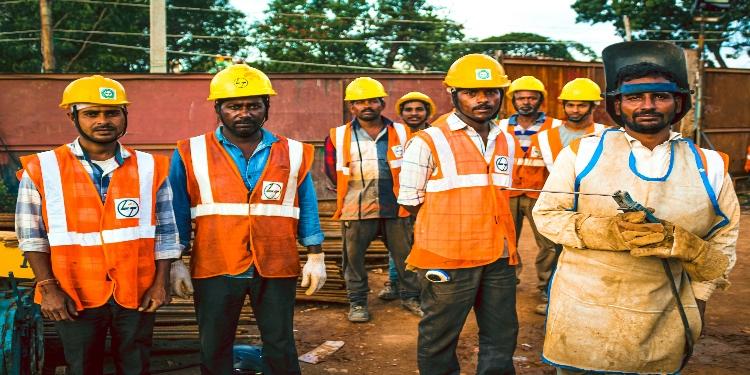
Modern workplaces across Australia place increasing importance on safety, compliance, and skilled operations. Whether managing emergency situations inside commercial facilities or operating heavy lifting equipment on construction sites, trained workers play a critical role in protecting people and maintaining safe work environments.
Professional training programs help workers improve their practical skills, increase employability, and gain nationally recognised knowledge that supports long-term career growth.


Emergency Response Training Helps Protect Lives
Every workplace should be prepared to respond effectively during emergencies such as fires, evacuations, hazardous incidents, or medical situations. Having trained emergency wardens can significantly improve workplace safety by helping occupants remain calm and follow organised evacuation procedures.
Emergency response training focuses on essential workplace safety skills including:
- Emergency evacuation procedures
- Alarm and communication systems
- Hazard identification
- Emergency coordination responsibilities
- Workplace safety compliance
- Incident response management
Workers with emergency preparedness training are valuable across many industries, including offices, warehouses, schools, healthcare facilities, and industrial sites.
Businesses also benefit from having properly trained personnel because emergency planning and evacuation procedures form an important part of workplace health and safety compliance throughout Australia.
People interested in improving their workplace emergency response knowledge can learn more click here .
Crane Operation Skills Continue to Be Highly Valuable
Australia’s construction and infrastructure industries continue to create strong demand for skilled crane operators. Non-slewing mobile cranes are widely used across construction, mining, transport, and industrial projects because they are effective in busy and confined work environments.
Operating high-risk lifting equipment requires practical training, technical understanding, and strong safety awareness. Employers actively seek workers who understand safe lifting procedures and workplace hazard management.
Professional crane training helps participants develop skills in:
- Safe crane operation
- Load handling procedures
- Equipment inspections
- Hazard awareness
- Communication and signalling
- Workplace safety practices
Hands-on learning prepares workers for real operational environments while helping them understand Australian safety requirements for high-risk work.
Qualified crane operators may find opportunities across:
- Construction projects
- Civil infrastructure developments
- Mining operations
- Industrial maintenance
- Heavy transport industries
As infrastructure investment continues throughout Australia, trained crane operators remain important across many sectors.
Workers who want to develop practical lifting and crane operation skills can find more information click here .
Professional Training Creates Better Opportunities
Employers across Australia continue to prioritise workers who hold recognised qualifications and practical industry skills. Completing professional training programs can help individuals improve workplace confidence, strengthen safety awareness, and access better career opportunities.
Whether pursuing emergency response training or crane operation qualifications, industry-recognised education remains an important step toward building a safer and more successful career in Australia’s growing workforce.