





















































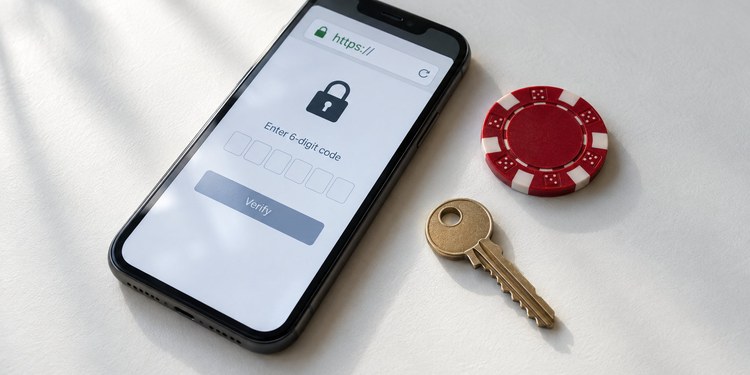
For anyone considering online casinos in the UK, the protection of personal data and payment details has become a significant concern. Players are typically required to share sensitive information, such as identification documents and banking details, to comply with regulations or to make withdrawals. The standards associated with the best UK casino involve not only fair play or game selection, but also how effectively data is protected from fraud and misuse. Over the past decade, as regulation has increased and mobile platforms have become more popular, security in online gambling has moved from being a secondary matter to a foundation of trust between operators and their users.
Encryption and what it protects
Encryption is now a standard expectation when interacting with gambling sites, helping to protect data both as it travels across the internet and when it is stored. Seeing “https” in a website address means protocols like Transport Layer Security (TLS) or its predecessor SSL are in use. These protocols scramble data as it moves between your device and the site, making it more difficult to read if intercepted. However, the presence of an “https” padlock does not guarantee that every part of a page is secure, or that the protections for stored data are sufficient.


Data-at-rest encryption provides another level of defence. Operators store customer records, including login credentials or KYC documents, in encrypted form on their servers. This makes the data unreadable to outside parties, even if the storage system itself is compromised. For many operators, these security measures are a basic requirement rather than an optional extra.
Account security features you will see
Protecting an account starts with strong password requirements and secure authentication processes. Most gambling sites now require complex passwords and use hashing techniques to help protect passwords within their databases. An important additional security measure is two-factor authentication (2FA), which can be provided through codes sent via SMS or generated by apps such as Google Authenticator. Authenticator apps can offer stronger protection than SMS codes, as SMS is vulnerable to SIM swapping attacks.
Session management is also vital for security. Features such as timeouts after periods of inactivity and device recognition, where a new login from an unknown device requires extra verification, help prevent unauthorised access. These controls help to reduce risk from compromised credentials or sessions left unattended.
Identity checks and age verification
Online casinos must complete identity checks and age verification for players before allowing withdrawals or access to gambling services. These “Know Your Customer” (KYC) processes usually require submitting official documents and may include biometric or “liveness” checks, such as taking a photo or video in real time. These steps are intended to reduce fraud, such as the use of stolen cards or account takeovers by criminals pretending to be legitimate players. By making it harder to create fake or duplicate accounts, operators can limit wider abuse of the platform.
Transaction and payment security
Payment processing for online gambling follows industry standards like PCI DSS, which set rules for handling cardholder information. Tokenisation removes original card numbers from payment processes so that, even if a breach occurs, stolen information is less useful. Two-step verification for payments, sometimes known as 3D Secure, adds an extra authentication step before money is transferred. Ongoing fraud monitoring, involving risk scoring and “velocity” checks to spot unusual transaction patterns, allows suspicious payments to be flagged or stopped promptly.
Operational and behind-the-scenes safeguards
Technical tools are only part of maintaining security. Gambling sites rely on access controls, which restrict sensitive data to authorised employees, and monitor activity with software logs and audits. Software is regularly updated and checked for vulnerabilities through patch management and penetration testing, while bug bounty programmes can encourage responsible disclosure from outside security researchers. Operators also review their third-party vendors, such as game studios and payment processors, as supply chain risk is significant for platforms using external integrations.
Privacy, data minimisation and regulatory compliance
Good security includes reducing the personal data collected and limiting how long it is stored. Many operators follow data minimisation principles, collecting only what is necessary for regulatory or operational purposes and keeping different identifying details separate where possible. UK-facing gambling sites generally comply with UK data protection law, including the UK GDPR and the Data Protection Act 2018, which set out requirements relating to transparency and individual rights.
Common threats and associated protections
The main risks to player data include phishing (fraudulent emails and websites), credential stuffing (using passwords leaked from other data breaches), SIM swapping, and malware designed to steal stored credentials. Security features such as 2FA, strong password policies, regular session timeouts, and anti-phishing warnings have been adopted to counter these threats. Encryption, verification processes, and active monitoring combine to help reduce harm from attacks or user errors.
How to spot credible security on a site
There are several signs to check as a potential player. Reliable operators provide detailed security and privacy policies, offer 2FA, require age and identity checks, and handle payments through recognised and regulated providers. Warning signs include unclear ownership or licensing, weak password requirements, and a lack of obvious measures to protect your data. In a sector where risks from fraud and privacy breaches remain high, these visible features can help highlight operations that expose players to avoidable threats.
Layered security as a foundation for trust
For gambling platforms operating in the UK, cybersecurity and responsible data management are now standard expectations. Layered protections, involving technical solutions, effective policies, and ongoing risk management, form the basis of responsible sites. While a comprehensive security approach cannot remove all risk, it can lower the likelihood of fraud and help keep personal and payment data more secure.

David Prior
David Prior is the editor of Today News, responsible for the overall editorial strategy. He is an NCTJ-qualified journalist with over 20 years’ experience, and is also editor of the award-winning hyperlocal news title Altrincham Today. His LinkedIn profile is here.