


















































Hair loss affects millions of people, yet the way it manifests in men and women differs significantly. For those seeking permanent restoration, understanding these differences is crucial before booking a clinical consultation. If you are researching a female hair transplant in Bournemouth, you will quickly find that the surgical approach, hairline design, and donor harvesting methods differ from male procedures. While male pattern baldness typically creates a receding hairline or a bald crown, female hair thinning tends to be more diffuse across the entire scalp. This article covers the essential technical and aesthetic differences between male and female recovery pathways for hair restoration procedures in Dorset.
The Biological Differences in Hair Loss Patterns
To understand why surgical techniques vary, one must first look at the underlying biology of hair thinning. Men usually experience hair loss driven by dihydrotestosterone (DHT), a hormone that causes hair follicles on the crown and temples to shrink. This results in the classic horseshoe pattern of hair retention. Consequently, a men’s hair transplant in Bournemouth relies on harvesting these DHT-resistant follicles from the back of the head and transplanting them to the bald areas.


Conversely, female pattern hair loss is usually more diffuse. Women rarely go completely bald in specific spots; instead, they experience a general thinning across the top and crown of the scalp while maintaining their frontal hairline. Because the thinning is widespread, finding a stable donor area on a female scalp requires a highly detailed microscopic analysis. Surgeons must ensure that the donor hair is healthy enough to survive the relocation process. If the donor area itself is affected by diffuse thinning, a transplant might not be viable, which is why the initial assessment phase is much more rigorous for women than it is for men.
Clinicians use the Norwood scale to categorise male hair loss, mapping out predictable stages of recession. For women, the Ludwig scale categorises thinning into three distinct grades, focusing on the widening of the central parting line. This classification system guides the surgeon’s strategy from the very first consultation.
Surgical Techniques and Shaving Requirements
One of the most practical differences between male and female procedures involves head shaving. For a standard Follicular Unit Extraction (FUE) procedure, which is highly popular among men, the entire scalp is typically shaved to allow the surgeon to extract and implant follicles with high precision. However, this requirement is often a major barrier for women.
Fortunately, specialised clinics offering a female hair transplant in Bournemouth use advanced non-shaving or micro-shaving techniques. In these procedures, the surgeon only shaves a small, easily concealable strip at the back of the head. The surrounding long hair falls over this donor site, hiding it completely. The surgeon then carefully implants the harvested grafts between existing hairs on the recipient site without trimming the rest of the scalp. While this non-shaven FUE method demands a higher level of surgical skill and takes longer to complete, it allows female patients to return to their daily routines without any obvious signs of surgery. For men, while non-shaving options exist, most opt for the standard shaved FUE due to its efficiency, lower cost, and the ease of post-operative care on a fully shaved scalp.
Hairline Design and Aesthetic Goals
The artistic design of the new hairline is another area where male and female procedures diverge. When planning a men’s hair transplant in Bournemouth, the surgeon aims to construct a strong, masculine hairline that fits the patient’s aging face. This often involves creating a slightly recessed, mature hairline rather than a flat, straight line, which can look unnatural on an older man. The angle of the implanted hair is also angled forward and downward to mimic natural male growth patterns.
In contrast, a female hairline is fundamentally different in shape, density, and flow. A natural female hairline is typically rounded, lower on the forehead, and lacks the deep temporal recessions seen in men. When restoring a female hairline, the surgeon must implant the grafts at very acute angles, matching the natural cowlicks and swirl patterns characteristic of female hair. Furthermore, women require high-density packing along the frontal border to prevent a translucent look. The goal is to create a soft, multi-directional transition zone that blends seamlessly with the existing hair, requiring a meticulous eye for detail and extensive experience in female cranial aesthetics.
Surgeons must also account for the calibre of the hair shaft, selecting finer hairs from the nape of the neck to construct the very front edge of the female hairline, ensuring a soft, natural frame for the face.
Donor Hair Availability and Graft Survival
The success of any hair restoration procedure depends on the availability of healthy donor hair. Men generally have a stable zone of hair at the back and sides of the head that is genetically programmed to grow for a lifetime. This abundance of donor material makes a men’s hair transplant in Bournemouth highly predictable, as surgeons can easily harvest thousands of grafts if required.
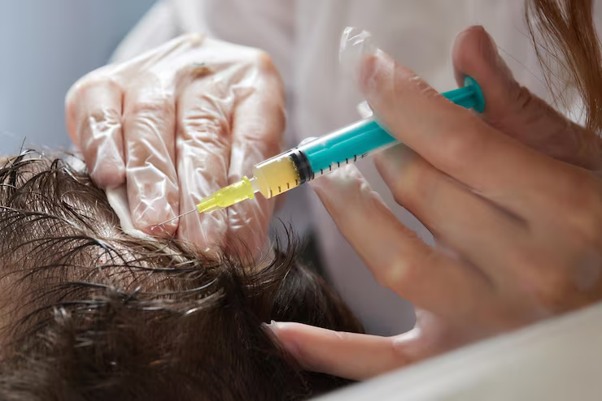
For women, the donor situation is more complex. Because female hair thinning is often diffuse, the hair at the back of the scalp may also be prone to thinning over time. If these weaker hairs are transplanted, they may eventually fall out, leading to poor long-term results. Therefore, candidates for a female hair transplant in Bournemouth must undergo a strict evaluation to confirm that their donor hair is stable. In some cases, alternative therapies like platelet-rich plasma (PRP) or low-level laser therapy are recommended alongside or instead of surgery to strengthen the existing follicles. Understanding these physiological limitations helps manage expectations and ensures that patients receive the most effective treatment plan for their specific hair loss type.
Additionally, graft survival rates depend heavily on the hydration and handling of the follicles during the extraction process, making the choice of clinic and surgeon expertise paramount for both genders.
Conclusion
While both male and female hair transplants share the same fundamental goal of restoring confidence and hair density, the methods used to achieve these results are quite different. From the initial diagnosis of hair loss patterns to the precise design of the hairline and the specific shaving techniques used during surgery, each procedure requires a tailored approach. Whether you are looking into a male restoration procedure or a specialised female hair restoration option, choosing an experienced, local surgeon who understands these distinct anatomical differences is the key to a successful outcome. By taking the time to understand these differences, you can make an informed decision and achieve natural-looking, lifelong results.