



















































What most people say about hair loss treatments is either outdated or just incorrect: wearing hats does not lead to baldness; one can not get bald only because their mother inherited the trait (hair loss is genetically a male trait); and cutting hair does not make it grow thick again. The real effective remedies – medications finasteride, minoxidil, surgical methods, etc. – have decades of clinical history to back them up, whereas most shampoos, oils, and gadgets that offer regrowth barely light your wallet, not to talk about doing anything significant. To distinguish true facts from myths is the key to the difference between getting wasted on false beliefs for years and getting on with something that genuinely works.
The reason these myths are so resistant to fading is partly because of the emotional aspect of baldness and because people want their problems to be easily solved and partly because we have a big, rather loosely regulated market, which profits from selling hope. Baldness by genetic male pattern is a very common condition in men during the later stages of their lives and even a quite sizable number of women experience balding or hair thinning too. So the potential users of the miracle solution market are huge. That demand, in fact, keeps the myths alive long after the scientific community has forgotten about them.


Does Wearing Hats, Washing Too Often, or Styling Cause Baldness
Hat wearing does not cause baldness; neither do hats tighten hair follicles nor prevent oxygen from reaching the scalp by suffocation resulting in baldness. Unless your outfit is very tight so that it is giving a constant strain on the hair over time, there is absolutely nothing your headgear has to do with pattern baldness. The same situation goes with washing your hair often. The sight in the bathroom of hair in the shower drain can be a shock, but you actually lose anywhere between 50 and 100 hairs daily which is totally normal, and washing will make the hair that had already been going to be shed show up.
This idea is a common one about hair styling, too. In fact, using regular shampoos, using heat with a hairdryer, and brushing normally do not result in the kind of hair loss that people are so afraid of being permanent hair loss. Chronic pulling from the follicle, which causes permanent or near-permanent damage, a type of alopecia called traction that results from very tight hairstyles like ponytails, braids, or wearing constant extensions for long periods is what really results in the damage. Although this is a real cause of hair loss, it is one that can be avoided and very easily done, and it is quite different from the simple day-to-day grooming that is often wrongly considered as a reason for baldness.
Hair pattern baldness is mainly due to family genes, and the way dihydrotestosterone, a hormone that comes from testosterone, affects those hair follicles with genes. Hair pattern balding is neither an aftermath of your routine in the shower, nor of wearing your baseball cap. Also, altering these behaviors even in significant ways can neither stop nor reverse it if it has already occurred.
Do Natural Oils and Special Shampoos Regrow Hair
This is where the money really flies. All kinds of products such as castor oil, rosemary oil, biotin supplements, the whole range of “hair growth” shampoos, etc. are promoted with very confident language but with minimal clinical evidence to show that they really work with reversing genetic hair loss. Some ingredients might help hair look better or feel better while it’s still growing, and a scalp massage can be very relaxing too. Yet, the difference between simply making hair thinner look fuller at the moment versus really regrowing hair through new follicles is quite big. In my opinion, biotin was one of those half-truth situations that gained a lot of traction. It definitely matters a lot in the health of the hair if one has a deficiency, yet a great many people have no such deficiencies. The problem with supplementing beyond the body’s needs is that one won’t get rid of hair pattern baldness through biotin.
Even though rosemary oil has attracted some attention because there have been very small studies of limited scope reporting that rosemary oil might work in the same way as minoxidil but with a weak strength version, the evidence base is too small at this point to support any sort of marketing claims with a lot of enthusiasm. If the company could demonstrate the product’s effectiveness in regeneration of lost hair, they would definitely be able to get medical approval and start selling the product under a medical prescription. The moment something is being offered as a cosmetic yet it promises drug-level results, the very fact that these two categories are being merged tells us something very important.
Are Hair Loss Medications Dangerous or Pointless
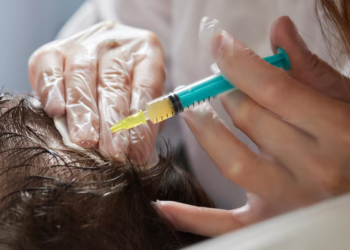
There are two hair loss treatments that are backed by much evidence and these are minoxidil, a topical solution or foam that is applied to the scalp, and finasteride, a once-a-day pill that stops the hormone responsible for the hair shaft from miniaturizing. Both of them are shown in many clinical trial data to be helpful, and industry information implies that finasteride can either prevent or slow hair loss for most men who are faithful in their medication taking, with a fair percentage noticing their hair growing back. There is always the misunderstanding and the catch here is that these are not treatments that you do just once. Once you stop these, the effects go away pretty quickly within a few months because the process that underlies the loss resumes without the medicine blocking it.
Men fearing finasteride’s side effects are in a justified fear, but sometimes the conversation on the sidewalk exaggerates it a little. A small number of male patients say that the sex side effects occur and those are definitely issues that one would wish the doctor to go into, not be waved off, but the real numbers are nowhere as high as the fear and anger of the Web suggests. Most of the time, side effects also go away after the drug is discontinued. Giving up a very effective treatment is an irrational fear-driven decision. Quite on the contrary, there is another kind of misconception equally prevalent namely that one cannot really rely on these medicines since “nothing works anyway.” Most probably people say these things because they tried their medication for about six weeks, saw no change, and gave up. But you have got to realize that you should not give up before the full effectiveness period is over. It takes these treatments three to six months of regular use before you see change. That means if you stop early on, you will probably be the one who will not believe in the medicine, and not the medicine that blamed you for the lack of success.
Is a Hair Transplant a Cure That Lasts Forever
A transplant is powerful but widely misunderstood. It moves your own follicles from areas resistant to balding, usually the back and sides, into the thinning zones, and those relocated follicles keep their resistance, so the transplanted hair tends to last. What it does not do is stop the hair loss happening in your untransplanted areas, which is why some people end up with a healthy transplanted patch surrounded by continued thinning if they skip the ongoing medication.
The results are permanent in the sense that grafts survive, but the outcome depends heavily on surgeon skill, your donor supply, and realistic planning. A quality Hair Transplantation procedure is not a quick fix you walk away from the next day, since the transplanted hair sheds within weeks and takes twelve to eighteen months to fully mature. People expecting instant results are working from a myth the before-and-after photos accidentally encourage.
Cost feeds another misconception. In the UK, transplants typically run from around three thousand to fifteen thousand pounds, and the very cheap deals often advertised abroad carry wider variance in quality and aftercare. A transplant is also not suitable for everyone, particularly younger people whose loss pattern has not stabilised, which is why a good clinic will sometimes tell you to wait rather than operate.
The practical thing to take from all this is that the treatments worth your time are the ones with clinical evidence behind them, and the earlier you start on them, the more hair you have to protect. Follicles that have fully miniaturised cannot be revived, so the window that matters is now rather than after another two years of trying oils. Talk to a doctor or a qualified clinic about what your specific pattern and stage actually warrant, and let the evidence, not the folklore, decide what you commit to.