




















































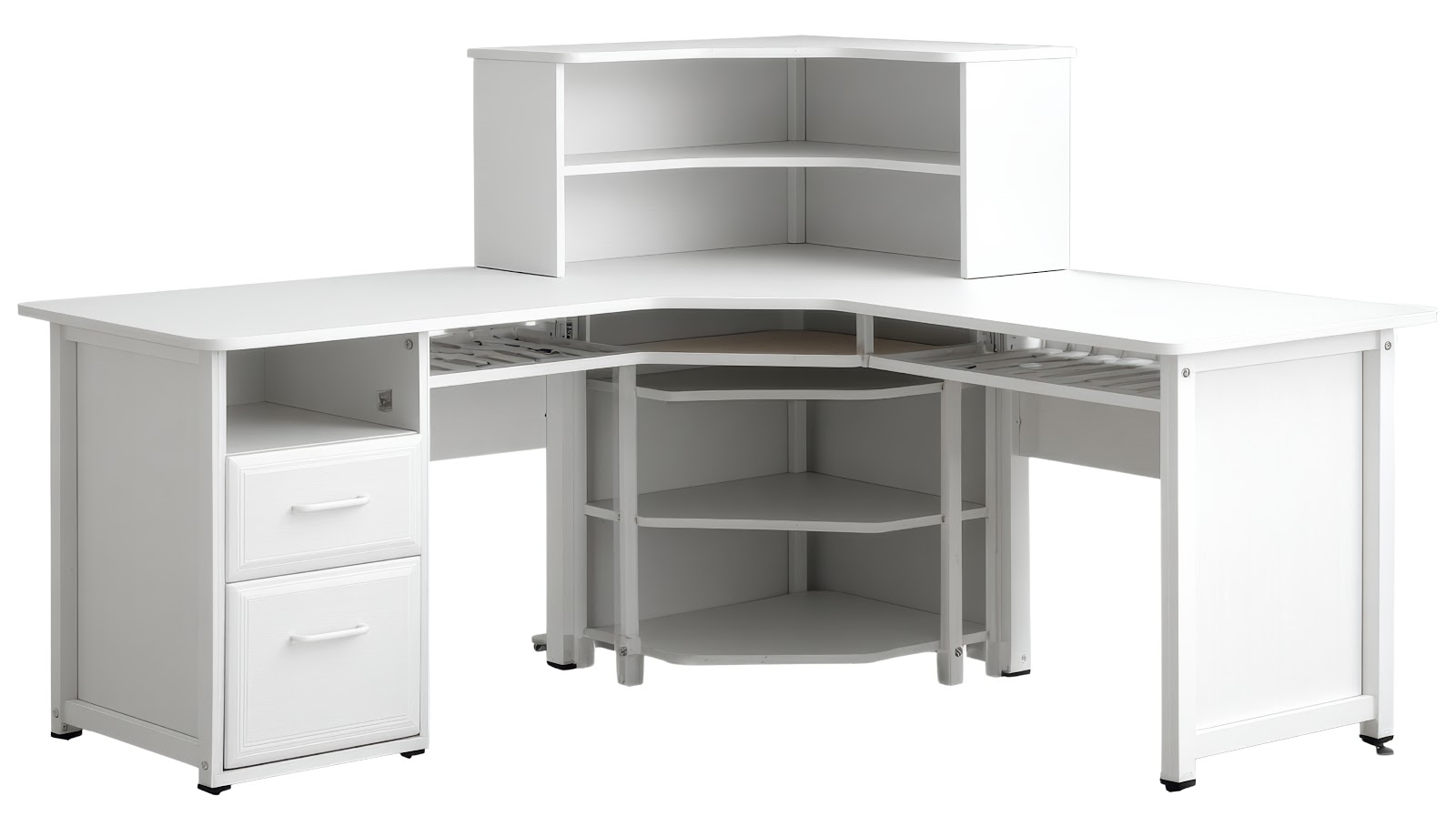
The modern workplace is designed around efficiency, comfort, and professionalism. While technology often receives the most attention when discussing productivity, physical workspace design remains equally important. Among all office furnishings, the desk serves as the central hub where decisions are made, projects are completed, and interactions take place. The desk is more than a surface for a computer and paperwork. It influences workflow, organization, focus, and even how others perceive a business or professional.
Whether in a corporate office, home workspace, executive suite, or creative studio, the desk plays a significant role in shaping daily experiences. The right desk supports productivity while reinforcing a positive image for clients, colleagues, and visitors. Understanding how desk selection affects both performance and perception can help individuals and organizations create environments that encourage success.


The Desk as the Foundation of Workplace Productivity
Every productive workspace begins with a functional foundation. A desk acts as the primary workstation where employees spend a large portion of their day. When a desk provides adequate space, proper dimensions, and practical storage solutions, it becomes easier to stay organized and focused on important tasks.
Clutter is one of the most common productivity obstacles in office environments. A poorly designed desk often leads to overcrowded surfaces, misplaced documents, and unnecessary distractions. In contrast, a desk that accommodates equipment, supplies, and daily work materials helps maintain order. This organization reduces the mental effort required to locate information and allows more energy to be directed toward meaningful work.
Workspace design experts frequently emphasize the connection between physical environments and cognitive performance. A desk that supports efficient workflows can improve concentration and reduce interruptions. By creating a structured environment, professionals can move more seamlessly between tasks while maintaining a higher level of productivity throughout the day.
Comfort and Ergonomics Influence Performance
Comfort is a critical factor in workplace effectiveness. Employees who experience physical discomfort often struggle to maintain focus, especially during extended periods of desk work. Desk dimensions, height, and layout all contribute to overall ergonomic quality.
A properly sized desk allows for natural positioning of monitors, keyboards, and other tools. This helps reduce strain on the neck, shoulders, wrists, and back. Occupational health professionals and workplace ergonomics specialists consistently advocate for furniture that promotes healthy posture and minimizes repetitive stress. When physical discomfort is reduced, workers can sustain concentration for longer periods and experience less fatigue.
The relationship between comfort and productivity extends beyond physical health. Employees who feel comfortable in their workspace are generally more engaged and motivated. A thoughtfully selected desk contributes to a work environment where individuals can perform at their best without being distracted by avoidable physical challenges.
First Impressions Begin with Workspace Design
People form impressions quickly, often within moments of entering an office. Furniture choices contribute significantly to these perceptions, especially in client-facing environments. The desk is usually one of the most noticeable pieces of furniture in a room and often serves as a visual centerpiece.
A clean, well-designed desk communicates professionalism, organization, and attention to detail. Visitors naturally associate the appearance of a workspace with the quality of service or expertise they can expect. Whether meeting with clients, conducting interviews, or collaborating with partners, the environment helps shape confidence and trust.
This is one reason many professionals invest in a carefully selected luxury office desk that reflects the standards and values of their business. Beyond aesthetics, premium desks often combine craftsmanship, durability, and functionality, creating an environment that leaves a lasting positive impression while supporting everyday performance.
Desk Design Reflects Personal and Corporate Identity
Office furniture communicates messages about identity and culture. Just as branding elements help define a company, workspace design contributes to how employees and visitors perceive an organization. The desk often acts as a visual representation of professional priorities and workplace values.
For executives, a sophisticated desk may symbolize leadership, stability, and confidence. In creative industries, a contemporary desk design may highlight innovation and forward thinking. Meanwhile, minimalist desk styles often reflect efficiency, focus, and streamlined operations. The desk becomes part of a broader narrative about how work is approached and what the organization stands for.
Personal workspaces also benefit from intentional design choices. Professionals working remotely or operating independent businesses can use desk selection to establish an environment that aligns with their goals. A workspace that reflects personal values can enhance motivation and create a stronger connection between the individual and their work.
Organization and Efficiency Go Hand in Hand
Effective organization is one of the most overlooked contributors to productivity. Even highly skilled professionals can lose valuable time when their workspace lacks structure. Desk design plays a direct role in supporting efficient work habits and reducing unnecessary friction throughout the day.
Storage options such as drawers, cabinets, shelving, and cable management systems help keep essential items accessible while preventing visual clutter. Organized workspaces allow employees to focus on priorities instead of constantly managing disorder. Small improvements in organization often compound over time, leading to measurable gains in efficiency.
A desk that accommodates current and future needs also supports adaptability. As responsibilities evolve, employees may require additional equipment, documents, or collaborative tools. Choosing a desk with sufficient flexibility helps ensure the workspace remains effective as demands change, reducing the need for frequent upgrades or redesigns.
Long-Term Value Beyond Daily Use
Desk selection should not be viewed as a short-term decision. Quality office furniture represents a long-term investment that affects both workplace functionality and overall business image. Durable materials and thoughtful construction contribute to longevity, reducing replacement costs and maintaining a professional appearance over time.
Businesses increasingly recognize that workplace environments influence employee satisfaction and retention. Comfortable, attractive workspaces help create positive experiences that support engagement and morale. A desk may seem like a simple piece of furniture, but its impact extends into many aspects of workplace culture and performance.
In addition to practical benefits, high-quality desks often retain their visual appeal for years. This consistency helps organizations maintain a polished and professional environment without requiring constant updates. The combination of durability, functionality, and aesthetic value makes desk selection an important strategic consideration rather than a purely decorative choice.
Conclusion
The desk occupies a central role in every workspace, influencing how people work and how they are perceived by others. From improving organization and supporting ergonomic comfort to shaping first impressions and reflecting professional identity, the right desk contributes to both productivity and workplace image. Small design choices can have a significant cumulative effect on daily performance and long-term success.
As businesses and professionals continue to focus on creating effective work environments, desk selection deserves careful consideration. A thoughtfully chosen desk supports efficiency, encourages comfort, and reinforces credibility. When viewed as both a functional tool and a statement of professionalism, the desk becomes one of the most valuable assets in any office setting.