




















































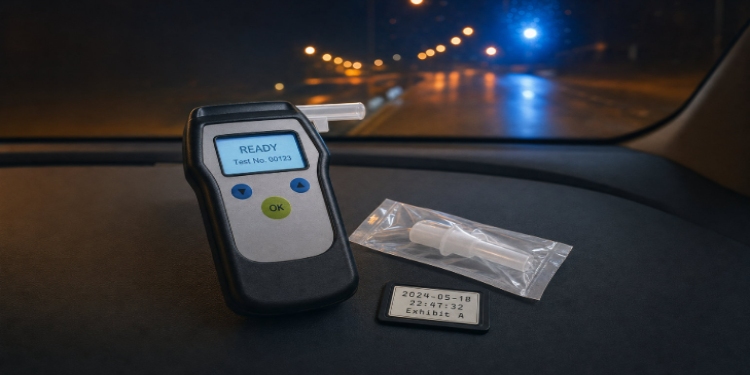
Policy and enforcement updates in UK drink driving law are influencing investigative procedures as of 2026. Developments in roadside technology and changes to enforcement guidance are affecting how allegations are handled by authorities and reviewed by legal professionals. Awareness of these evolving rules is important for drivers and advisers navigating the current regulatory environment.
Changes to drink driving law and enforcement have a direct impact on how authorities investigate and process related offences. The legal limits for blood and breath alcohol, methods of testing, and court outcomes reflect recent adjustments aiming to support road safety and ensure process consistency. For those involved in such matters, whether dealing with allegations or providing advice, drink driving solicitors london are familiar with the practical implications of updated police guidance and enforcement policies.


Legal limits and the evolving enforcement framework
Drink driving law and enforcement address blood alcohol concentration limits, police powers for roadside tests, arrest protocols, and case management through the courts. Across the UK, prescribed limits for breath and blood alcohol guide decisions from roadside stops through to sentencing in magistrates’ courts.
Recent adjustments have influenced how police initiate roadside screening, with some areas adopting a broader set of circumstances for requesting a breath test. This means you may be asked to complete a preliminary test based on subtle behavioural patterns or minor cues, reflecting efforts to support early detection and intervention.
Headline developments, proposed reforms, and pilot schemes
In recent years, some developments have included expanded police powers and consultations concerning potential tightening of legal limits, particularly in certain parts of the UK. Some police forces, following policy initiatives, have piloted the use of digital logbooks for monitoring breath testing, with the aim of streamlining evidence handling and case management.
There have also been trials and policy discussions on the introduction of more advanced mobile evidential breathalysers, intended to improve the reliability of roadside results. If these are implemented more broadly, the approach to arrests and charging decisions could be influenced by the improved quality and efficiency of evidence collection.
Practical realities of investigation and common challenges
If you are stopped on suspicion of drink driving, officers may use approved roadside screening devices to check whether your sample is above or below the limit. Failing a roadside test typically results in arrest for a further evidential sample to be taken at a police station. Adherence to the correct chain of evidence and legal protocols at each stage remains crucial, as procedural errors can affect court proceedings.
Roadside procedures follow national guidance while local application may differ. While many allegations lead directly to a charge, drink driving solicitors frequently observe the importance of clear records around timings, sample handling, and disclosure of digital information for ensuring fair and accurate proceedings.
Technology, evidence, penalties, and public misconceptions
Developments in testing equipment, digital storage, and paperwork processes aim to enhance reliability and reduce administrative delays in how drink driving cases are handled by the police and courts. These changes are intended to help with prompt disclosure of evidence and clear communication of key information to legal representatives and those accused.
Penalties vary depending on alcohol level, the facts of each incident, and any previous offences. Public misconceptions persist regarding what counts as “one drink” or whether refusing a test reduces responsibility. Refusing a lawful request for a breath or blood sample is a criminal offence in itself, and being close to the prescribed limit does not guarantee a more lenient penalty or an automatic case dismissal.
Anyone with questions about a drink driving investigation can refer to official summaries of the law and sentencing principles provided by authorities including GOV.UK, Crown Prosecution Service guidance, and Sentencing Council publications. These sources outline current standards and help clarify rights and responsibilities within the current legal process.

David Prior
David Prior is the editor of Today News, responsible for the overall editorial strategy. He is an NCTJ-qualified journalist with over 20 years’ experience, and is also editor of the award-winning hyperlocal news title Altrincham Today. His LinkedIn profile is here.