




















































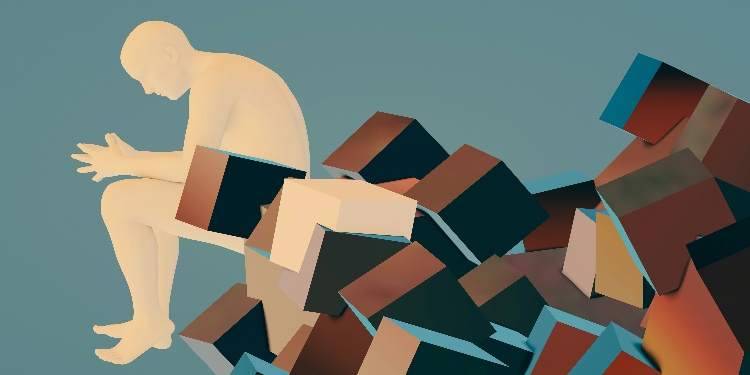
From casual conversations with coworkers to deep relationships with family and friends, social interaction plays a central role in emotional and psychological well-being. When those connections fade or disappear, the effects on mental health can run deep. This relationship matters for everyone, but especially for people whose isolation follows an injury, loss, disability, or other circumstance they never chose in the first place.
The Psychological Toll of Social Isolation
When a person loses regular contact with the people that they love, the brain responds in measurable ways. Prolonged isolation changes the way the body responds to stress. People who spend long periods without meaningful social contact often experience elevated cortisol levels, ongoing anxiety, and greater difficulty regulating emotions over time. Over time, this sustained stress response contributes to anxiety, depression, and difficulty regulating emotions.


People who experience long stretches without meaningful social contact often report feelings of worthlessness, hopelessness, and a diminished sense of purpose. Sleep patterns suffer, concentration declines, and motivation erodes. For many, the absence of connection creates a vicious cycle; without intervention, this cycle can persist for months or even years.
The effects vary across age groups and circumstances, but certain populations face heightened vulnerability. Older adults living in care facilities, for instance, may go days or weeks without a meaningful conversation. When staff members neglect residents’ emotional and social needs, or when a facility restricts visitors without justification, that isolation can constitute a form of abuse. Families who suspect this type of mistreatment may choose to consult an experienced nursing home abuse lawyer like the attorneys at Peterson Law Office to explore whether their loved one’s rights have suffered violations.
People recovering from serious injuries also face particular risk. A life-altering accident can strip away a person’s independence, remove them from their workplace, and limit their ability to participate in the social activities that once gave their life structure. That sudden loss of community compounds the emotional challenges they already face during recovery.
How Isolation Affects Physical Health
Mental and physical health share a tight, bidirectional connection, and social isolation strains both. Studies link chronic loneliness to higher rates of heart disease, elevated blood pressure, weakened immune function, and increased inflammation throughout the body. People who lack social support also tend to recover more slowly from illness and injury, creating yet another barrier to re-engaging with the world around them.
The mind-body relationship works in both directions. If you feel isolated, you may lose motivation to exercise, prepare nutritious meals, or attend medical appointments. These choices worsen physical decline, which in turn reinforces feelings of helplessness and withdrawal. Over time, after starting with just one challenge, whether that’s an injury or another major life change, can find themselves dealing with a cascade of physical and mental health problems – all of which trace back to a lack of human connection.
Sleep disruption represents one of the most common and most damaging physical consequences of isolation. People who feel lonely experience higher rates of insomnia, fragmented sleep, and poor sleep quality. Because sleep is so important for cognitive function, emotional regulation, and immune health, this one disruption alone spreads into nearly every aspect of a person’s well-being.
Chronic pain also intensifies in the absence of social support. Research demonstrates that people who maintain strong social bonds report lower pain levels and cope with discomfort more effectively than those who face their pain alone. For someone recovering from an accident or managing a long-term condition, the presence or absence of a support network can shape the entire trajectory of their recovery.
Recognizing the Warning Signs
Understanding the signs of isolation-related mental health struggles matters, whether you notice them in yourself or in someone you care about. Common indicators include:
- Persistent sadness or feelings of emptiness that last for weeks
- Withdrawal from activities, hobbies, or gatherings that once brought joy
- Significant changes in appetite, whether eating far more or far less than usual
- Difficulty sleeping, or sleeping far more than normal
- Irritability, restlessness, or a short temper that feels out of character
- Trouble maintaining daily routines like personal hygiene, household tasks, or work obligations
- Increased reliance on alcohol or other substances to manage emotional pain
- Expressions of hopelessness or statements suggesting a person feels like a burden to others
These signs can appear in anyone, but they deserve special attention when they show up in people who have experienced a sudden life change. An injury, the death of a loved one, a transition into assisted living, or any event that severs a person’s usual social ties can trigger a rapid mental health decline if no one intervenes.
Taking Steps Toward Reconnection
The good news is that even small steps toward rebuilding social connection can produce meaningful improvements in mental health. The key lies in starting where you are and building from there instead of waiting until you feel ready.
Joining a support group, whether in person or online, connects you with people who understand your specific experience. Scheduling regular phone or video calls with a friend or family member creates a reliable rhythm of contact that counteracts the unpredictability of isolation. Volunteering, even in a limited capacity, provides both social interaction and a renewed sense of purpose.
Professional counseling offers a structured path forward for those who feel stuck. A therapist can help identify the thought patterns that keep a person trapped in isolation and develop concrete strategies for re-engagement. Many therapists now offer remote sessions, which removes transportation and mobility as barriers to care.
For people whose isolation stems from an injury or from mistreatment in a care setting, understanding your legal options may help you secure resources for therapy, rehabilitation, and support services. Knowledge about your rights can serve as one important step toward reclaiming the quality of life you deserve. No one should have to navigate the path back to connection without the support and resources they need.