


















































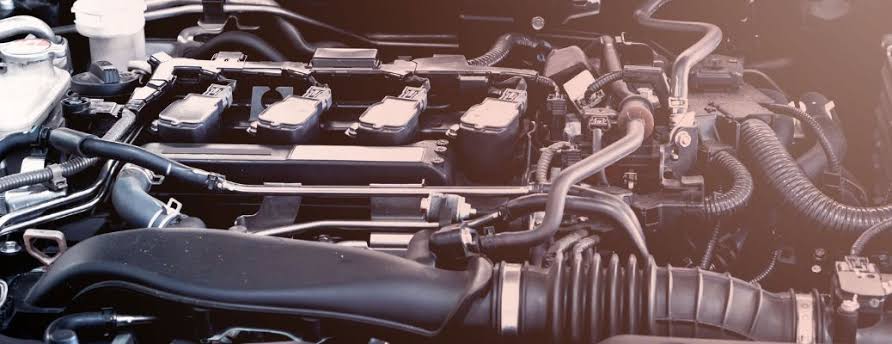
For decades, horsepower was one of the first specifications many car buyers compared when shopping for a new vehicle. A higher horsepower rating often symbolized stronger performance, quicker acceleration, and a more exciting driving experience. While performance still matters, today’s buyers have a much broader perspective when evaluating their next vehicle. Safety, technology, fuel efficiency, comfort, reliability, and long-term ownership costs now play equally important—if not greater—roles in the decision-making process. Whether researching compact sedans, SUVs, trucks, or performance models through a Ford Houston dealership, shoppers are increasingly looking beyond engine output to find a vehicle that delivers lasting value and fits their everyday lifestyle.
The Modern Car Buyer Has Different Priorities
Today’s drivers expect more from their vehicles than simply fast acceleration. Most cars spend far more time commuting, running errands, transporting families, or traveling on highways than racing from one stoplight to another.


As a result, buyers are evaluating how a vehicle performs during real-world driving rather than focusing solely on engine specifications. They want vehicles that provide comfort during long commutes, advanced safety features for peace of mind, and practical technology that simplifies everyday travel.
This shift reflects changing lifestyles and the growing importance of convenience and efficiency.
Safety Features Often Matter More Than Speed
Vehicle safety has become one of the most influential factors in purchasing decisions. Modern vehicles include sophisticated driver assistance technologies that help reduce accident risks while making everyday driving more comfortable.
Many buyers now compare safety equipment before considering engine performance. Features such as automatic emergency braking, adaptive cruise control, blind-spot monitoring, lane-keeping assistance, and rear cross-traffic alerts have become highly desirable.
For families especially, these systems provide reassurance that extends well beyond raw horsepower figures.
A vehicle that actively supports safer driving often offers greater everyday value than one focused primarily on performance.
Fuel Efficiency Has Become a Major Consideration
Fuel prices and environmental awareness have encouraged many buyers to prioritize efficiency alongside performance.
Modern engines use advanced engineering to deliver strong acceleration while consuming less fuel than previous generations. Turbocharged engines, hybrid systems, and intelligent transmissions allow drivers to enjoy responsive performance without excessive fuel consumption.
Drivers with long daily commutes often recognize that improved fuel economy can reduce ownership costs significantly over time.
Instead of asking which vehicle produces the most horsepower, many buyers now ask which one delivers the best balance between performance and efficiency.
Comfort Plays a Bigger Role Than Ever
Most people spend considerable time inside their vehicles, making comfort an essential part of the ownership experience.
Manufacturers now invest heavily in creating quiet cabins, supportive seating, improved suspension systems, and premium interior materials. Heated and ventilated seats, dual-zone climate control, panoramic sunroofs, and adjustable seating positions all contribute to a more relaxing journey.
For many buyers, these comfort features influence satisfaction far more than an extra fifty horsepower that may rarely be used during everyday driving.
A comfortable vehicle often makes daily commuting less stressful and long-distance travel far more enjoyable.
Technology Enhances Everyday Driving
Modern automotive technology has transformed how drivers interact with their vehicles. Infotainment systems, smartphone integration, digital displays, and connected services have become essential features for many shoppers.
Drivers frequently compare technology such as:
- Wireless Apple CarPlay and Android Auto
- Built-in navigation and voice recognition
- Wireless charging and multiple USB ports
These conveniences improve organization, communication, and entertainment throughout every journey.
Rather than emphasizing engine specifications alone, buyers increasingly evaluate how technology supports their daily routines.
Reliability Provides Long-Term Value
Reliability has always been important, but many buyers now place it near the top of their priorities.
A dependable vehicle reduces unexpected repairs, minimizes downtime, and contributes to lower long-term ownership costs. Choosing a reliable model often provides greater peace of mind than selecting one with slightly higher horsepower but uncertain durability.
Many shoppers research maintenance history, manufacturer reputation, and long-term dependability before making a final purchase decision.
Reliability becomes especially valuable for families and commuters who rely on their vehicles every day.
Interior Space Supports Different Lifestyles
Horsepower has little impact on whether a vehicle comfortably meets everyday needs. Interior flexibility often proves much more important.
Families may require spacious rear seating, while outdoor enthusiasts prioritize cargo capacity for camping equipment or bicycles. Professionals might value comfortable seating and quiet cabins for long business trips.
Modern vehicles are designed to accommodate a wide variety of lifestyles, making interior practicality a major purchasing factor.
Choosing the right amount of passenger and cargo space often delivers greater satisfaction than simply choosing the most powerful engine.
Advanced Driver Assistance Reduces Stress
Driving in heavy traffic can be exhausting regardless of engine performance. Advanced driver assistance technologies help reduce this stress by supporting safer and more convenient driving.
Popular systems include:
- Adaptive cruise control
- Blind-spot monitoring
- Lane-centering assistance
These technologies help drivers navigate highways, crowded intersections, and busy parking lots with greater confidence.
For many buyers, reduced driving fatigue is far more valuable than additional horsepower that may rarely be fully utilized.
Ownership Costs Extend Beyond the Purchase Price
Smart buyers understand that purchasing a vehicle involves more than paying the initial price. Insurance premiums, maintenance, fuel, repairs, and depreciation all contribute to total ownership costs.
Vehicles with moderate engine sizes often provide lower insurance costs while delivering more than enough performance for everyday driving. Improved fuel efficiency also reduces monthly operating expenses.
Evaluating overall ownership costs helps buyers make financially responsible decisions rather than focusing only on performance specifications.
Connectivity Keeps Drivers Productive
Today’s vehicles increasingly function as mobile technology centers. Connected services allow drivers to remotely start engines, lock doors, locate parked vehicles, and monitor maintenance through smartphone applications.
Many buyers appreciate these features because they improve convenience during busy schedules.
Connectivity also supports over-the-air software updates, ensuring vehicle systems continue improving without requiring dealership visits.
These practical technologies often have a greater influence on purchasing decisions than horsepower ratings.
Environmental Awareness Influences Decisions
Many consumers are becoming more conscious of environmental responsibility when selecting a vehicle.
Manufacturers now produce efficient gasoline engines, hybrid models, and electric vehicles that reduce emissions while maintaining satisfying performance. Buyers increasingly recognize that modern powertrains can provide enjoyable driving experiences without relying solely on maximum engine output.
Environmental considerations have therefore become another important factor alongside traditional performance measurements.
Driving Experience Goes Beyond Acceleration
Horsepower measures only one aspect of how a vehicle performs. Ride quality, steering precision, braking confidence, visibility, and cabin quietness all contribute to the overall driving experience.
Many buyers discover during test drives that a well-balanced vehicle feels more enjoyable than one with significantly higher horsepower but less refinement.
Smooth handling, predictable braking, and responsive steering often create greater confidence during daily driving than raw acceleration alone.
The complete driving experience has become far more important than any single specification.
Matching Performance to Real Needs
Not every driver requires maximum engine output. Urban commuters, families, retirees, and first-time buyers often prioritize ease of driving, comfort, and efficiency over sports-car performance.
Understanding personal driving habits helps buyers choose an appropriate balance of capability and practicality.
Before purchasing a vehicle, it is helpful to consider:
- Typical daily commute and driving conditions
- Passenger and cargo requirements
- Long-term ownership and maintenance expectations
Choosing a vehicle based on actual needs rather than impressive specifications often leads to greater satisfaction over time.
Manufacturers Continue Expanding Value
Automakers have responded to changing consumer preferences by improving every aspect of vehicle ownership.
Today’s vehicles offer better safety, more advanced technology, quieter interiors, greater efficiency, stronger reliability, and improved driver assistance systems than ever before. Performance remains important, but it is now part of a much broader package designed to meet modern expectations.
This balanced approach gives buyers more meaningful ways to compare vehicles beyond horsepower alone.
Conclusion
Horsepower remains an important part of vehicle performance, but it is no longer the primary factor influencing purchasing decisions for many buyers. Safety, fuel efficiency, reliability, comfort, technology, practicality, and long-term ownership costs now play equally significant roles in choosing the right vehicle. Modern drivers want cars, trucks, and SUVs that simplify everyday life while providing dependable performance and lasting value. By looking beyond engine output and considering the complete ownership experience, buyers can select a vehicle that better supports their lifestyle, budget, and future needs. As automotive technology continues to evolve, this well-rounded approach will remain the key to making smarter and more satisfying vehicle purchasing decisions.