




















































Gardening is one of the great joys of being a homeowner. Having your own outdoor space to create aesthetic displays, grow some of your own food and simply enjoy leisure time is a real privilege, and it even has profound health benefits. But all good garden organisers know that you can easily lose control of your space if you aren’t smart about your storage and arrangements.
This article will explore how to organise a garden properly, touching on multifunctional furniture, proper planter usage, shed optimisation and more.


Good storage boxes
Good garden boxes are essential for any residential outdoor space. These are vital for storing things like outdoor cushions, blankets, tools and decorations, but it’s important not to choose big, bulky plastic eyesores dotted around the garden. Find boxes and containers that fit seamlessly into the space.
- Choose garden boxes made from premium sheet steel, tight and resistant to water, sunlight and wind, ensuring they protect the contents from the elements. Lockable boxes are also great if you’re concerned about burglary.
- Double-duty benches with reinforced lids for sitting are a great option, allowing you to increase seating options while also storing items.
- Vertical wall stores are useful options for smaller patios, as they tuck against walls and fences without taking up too much floor space.
Boxes are some of the best garden organisers, offering clear, seamless spaces for items that might not belong in the shed.
Garden shed organisation ideas
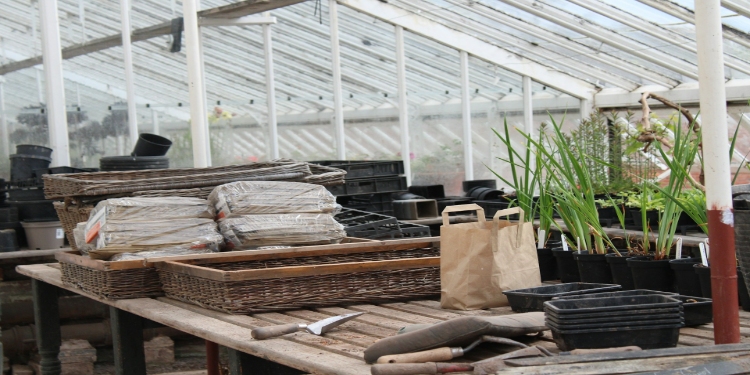
Speaking of the garden shed, these storage spaces can easily become unorganised if you don’t manage things properly. That’s why you should ensure that you integrate some garden shed organiser features to ensure that tools and other items don’t get jumbled and confused.
- Garden tool racks keep everything in one spot
- Pegboards are great for easy access to handheld tools
- Cup hooks are ideal for things like keys, screws
- Ceiling storage racks are great for things like bikes or larger items
- Wall-mounted storage racks are great for keeping floor space free
Getting your shed in order is a surefire way to ensure that disorganisation doesn’t bleed into the rest of your garden.
Garden beds & planter principles
If you’re gardening more actively to get the holistic benefits of engaging with plants, it’s important to apply organisation principles to the layout of your space. For garden organisers looking to get the greenery in order, there’s nothing better than modular raised beds and planters.
- 3-tirered systems are perfect for separating herbs, leafy greens and root vegetables, keeping the garden looking neater and keeping invasive herbs at bay.
- Metal corrugated boxes are very much on trend in 2026 for offering an industrial, yet still classy look and feel to the garden. They also don’t rot and require less maintenance compared to wood.
- Some garden planters have built-in wicking systems that water the plants for you, using pipes that distribute the water over a week.
There’s no use organising the rest of your garden if you’re not going to manage the plants themselves properly.
Zonal organisation
Much like with open-plan interior design, it’s important to create zones in your garden to ensure the best possible organisation.
- Wet zones should be ordained for keeping hoses, sprinkler and mud boots together.
- Clean zones can be denoted with rattan-style boxes, keeping textiles and fabric items in place.
- Workstations should be clear, whether kept by garden boxes or sheds.
Creating these clear zones is essential for ensuring that disparate elements don’t overlap unnecessarily.
Following these guidelines for storage, layout and planting should help you to create an outdoor space that you feel comfortable in and confident about. Get your space in order and enjoy the Great British weather!

David Prior
David Prior is the editor of Today News, responsible for the overall editorial strategy. He is an NCTJ-qualified journalist with over 20 years’ experience, and is also editor of the award-winning hyperlocal news title Altrincham Today. His LinkedIn profile is here.