




















































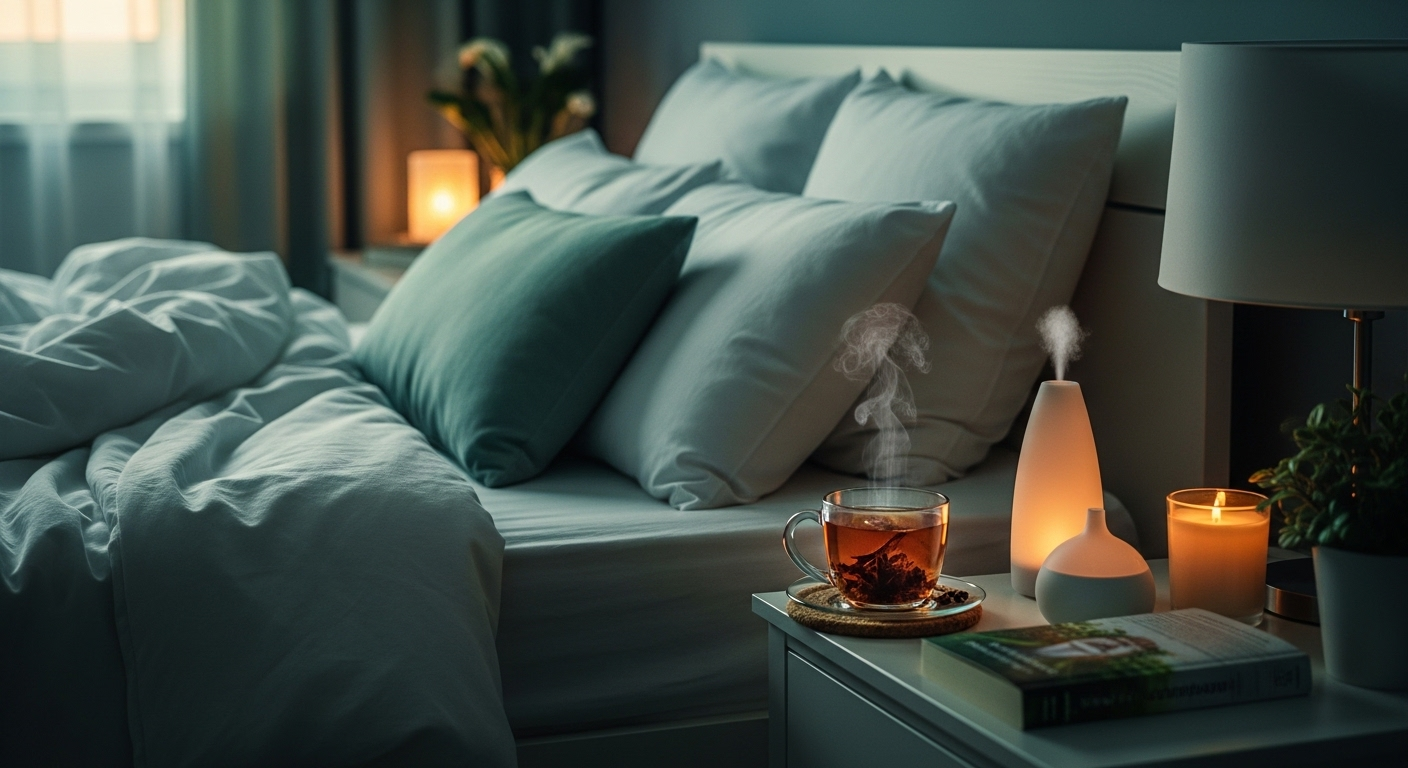
Anxiety at night can feel overwhelming. As the world quiets down, your thoughts often become louder, making it difficult to relax or fall asleep. Many people struggle with racing thoughts, restlessness, and even short-term anxiety-related insomnia that disrupts their nightly routine.
The problem is not just falling asleep, it’s staying asleep and waking up feeling refreshed. Poor sleep can worsen anxiety, creating a frustrating cycle that affects both mental and physical health.


The good news is that simple, proven techniques can help you calm anxiety before sleep and build healthy sleeping habits. By making small, consistent changes to your routine, environment, and mindset, you can regain control over your nights and finally experience deeper, more restorative sleep.
Key Techniques to Calm Anxiety and Sleep Better at Night
Calming anxiety at night requires a combination of physical, mental, and environmental strategies. By using simple, practical techniques consistently, you can reduce stress, quiet your mind, and create the ideal conditions for deeper, more restful sleep.
- Deep breathing and relaxation exercises
- Journaling or “brain dump” methods
- Consistent bedtime routines
- Reducing screen exposure and stimulants
- Creating a calming sleep environment
Quick Calming Techniques You Can Use Immediately
When anxiety strikes at night, quick techniques can help your body shift from a stressed state to a relaxed one. Deep breathing is one of the most effective tools because it directly calms your nervous system. Techniques like the 4-7-8 method slow your heart rate and reduce tension almost instantly.
Progressive muscle relaxation is another powerful method. By tensing and releasing different muscle groups, you release built-up physical stress that often goes unnoticed. This helps your body signal to your brain that it is safe to relax.
Grounding exercises like the 5-4-3-2-1 method are especially useful for racing thoughts. By focusing on your senses, you bring your mind back to the present moment instead of worrying about the future.
Mind-Based Techniques to Reduce Overthinking
Overthinking is one of the main reasons people struggle to calm anxiety before sleep. A simple but effective solution is journaling, often called a “brain dump.” Writing down worries or tasks 1–2 hours before bed helps clear mental clutter.
Another helpful method is scheduled worry time. Set aside 15–20 minutes earlier in the day to think about concerns. This trains your brain not to process anxiety at bedtime.
Visualization can also reduce mental stress. Imagining a calm, safe place or a peaceful scenario helps shift focus away from anxious thoughts and promotes relaxation. These techniques work best when practiced consistently. Over time, your brain learns that bedtime is for rest, not overthinking.
Creating a Sleep-Friendly Night Routine
A consistent bedtime routine is essential for developing healthy sleeping habits. Going to bed and waking up at the same time each day helps regulate your body’s internal clock.
Your wind-down routine should include calming activities. Reading, gentle stretching, or taking a warm bath signals to your body that it’s time to relax.
Limiting screen time is crucial. Blue light from devices suppresses melatonin, making it harder to fall asleep. Aim to stop using screens at least 30–60 minutes before bed. If you can’t fall asleep within 20–30 minutes, follow the 20-minute rule. Get up, do something relaxing, and return to bed when you feel sleepy again.
Physical Habits That Help Calm Anxiety
What you do during the day and evening plays a major role in nighttime anxiety. Light exercise, such as yoga or walking, can reduce stress and improve sleep quality. Be mindful of what you consume before bed. Avoid caffeine, alcohol, and heavy meals in the evening, as they can disrupt sleep and increase anxiety.
Natural aids like chamomile tea or magnesium-rich snacks can support relaxation. These gentle options help calm the body without relying on medication. Hydration is important, but avoid drinking too much water right before bed to prevent sleep interruptions.
Optimizing Your Sleep Environment
Your sleep environment should promote calmness and comfort. A cool, dark, and quiet room is ideal for quality sleep. Experts recommend keeping your bedroom around 65–67°F (18–19°C). Lighting also matters. Dim lights in the evening help your body produce melatonin naturally, making it easier to fall asleep.
Consider using white noise, calming music, or nature sounds to block distractions. These sensory tools can soothe the nervous system and reduce anxiety. Aromatherapy, such as lavender or chamomile, can also enhance relaxation and create a peaceful sleep atmosphere.
Lifestyle Changes for Long-Term Anxiety Relief
While quick fixes can help in the moment, long-term anxiety relief comes from consistent lifestyle habits. Making small daily adjustments can significantly reduce stress levels, improve emotional balance, and support better sleep over time.
- Daily mindfulness and relaxation practices
- Limiting exposure to stress triggers
- Building consistent coping habits
Daily Stress Management
Managing stress during the day is key to reducing anxiety at night. Practices like meditation, deep breathing, or mindfulness can help regulate your emotional state. Even short sessions of 10–15 minutes can make a difference. These habits train your mind to stay calm and focused.
Regular physical activity also supports mental health. Exercise reduces stress hormones and boosts mood-enhancing chemicals. Over time, consistent stress management leads to better sleep and reduced anxiety.
Reducing Overall Anxiety Triggers
Identifying and minimizing triggers can significantly improve sleep. Excessive news consumption or social media use can increase anxiety levels. Setting boundaries with work and personal responsibilities helps prevent mental overload. Avoid bringing stressful tasks into your bedtime routine.
Creating a structured daily schedule can also reduce uncertainty and stress. This provides a sense of control and stability. Small lifestyle changes can have a lasting impact on both anxiety and sleep quality.
Building Healthy Coping Mechanisms
Healthy coping mechanisms are essential for long-term anxiety relief. Talking to someone you trust can help process emotions and reduce stress. Engaging in hobbies or creative activities provides a positive outlet for your thoughts. This can shift focus away from anxiety.
Developing self-awareness is also important. Recognizing your triggers and responses allows you to manage them more effectively. Consistent practice of these habits builds resilience and improves overall well-being.
When to Seek Professional Help?
Sometimes, anxiety and sleep problems go beyond self-help techniques. Recognizing when to seek professional support is essential to prevent symptoms from worsening and to receive proper guidance, treatment, and long-term relief.
- Persistent anxiety interfering with daily life
- Severe or chronic insomnia
- Panic attacks or nighttime anxiety episodes
Signs Anxiety Is Severe or Chronic
If anxiety continues despite trying self-help techniques, it may be time to seek professional support. Persistent worry, restlessness, and difficulty functioning are key signs.
Chronic anxiety can affect your physical health as well. Symptoms like fatigue, headaches, or muscle tension should not be ignored. Early intervention can prevent symptoms from worsening. Professional guidance provides structured support and effective strategies.
Sleep Disorders
Sleep disorders such as insomnia may require specialized treatment. If you regularly struggle to fall or stay asleep, it’s important to address the root cause.
Short-term anxiety-related insomnia can develop into long-term issues if left untreated. Identifying patterns early can help prevent this. A healthcare professional can evaluate your sleep habits and recommend appropriate solutions.
herapy Options
Cognitive Behavioral Therapy (CBT) is one of the most effective treatments for anxiety and sleep problems. It helps change negative thought patterns and behaviors.
Therapy provides tools to manage stress and improve sleep quality. It is a long-term solution that addresses the underlying causes of anxiety. Working with a trained professional ensures personalized support and guidance.
Medical Support if Needed
In some cases, medication may be prescribed to manage anxiety or sleep disorders. However, this should always be done under medical supervision.
Avoid self-medicating or searching terms like buy klonopin clonazepam 2 mg tablet online UK without proper guidance. Misuse of such medications can lead to dependency and serious health risks. A healthcare provider can determine the safest and most effective treatment plan for your needs.
FAQs
1. Why does anxiety get worse at night?
At night, there are fewer distractions, which allows your mind to focus on worries. This can lead to overthinking and increased anxiety levels.
2. What is the fastest way to calm anxiety before sleep?
Deep breathing and grounding techniques are the quickest methods. They help calm your nervous system within minutes.
3. Can anxiety cause insomnia permanently?
Anxiety can lead to short-term anxiety-related insomnia, but with proper techniques and treatment, it is usually reversible.
4. How long does it take to improve sleep habits?
Most people notice improvements within a few weeks of consistent practice. Building healthy sleeping habits takes time but delivers long-term results.
5. Are natural remedies effective for sleep and anxiety?
Yes, options like chamomile tea, magnesium, and relaxation techniques can support better sleep without side effects.
Take Back Your Nights and Sleep Peacefully
Struggling with anxiety at night can feel exhausting, but it doesn’t have to control your life. By combining simple techniques like deep breathing, journaling, and building healthy sleeping habits, you can gradually calm your mind and improve your sleep.
The key is consistency. Small daily changes, whether it’s reducing screen time, creating a relaxing routine, or managing stress, can make a powerful difference over time.
If your symptoms persist, seeking professional help is a strong and positive step forward. With the right approach, you can break the cycle of anxiety and enjoy restful, peaceful nights again.