


















































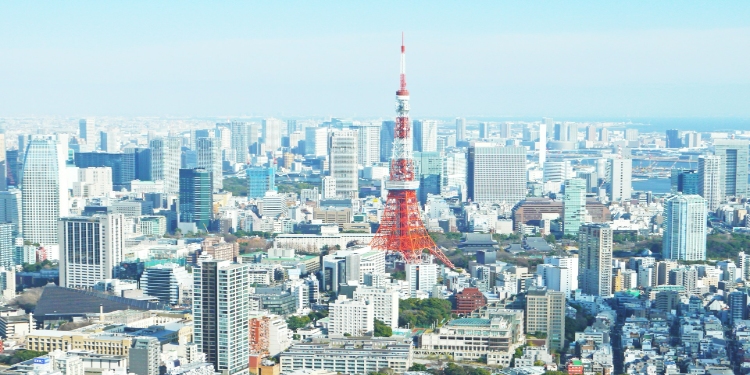
Tokyo is a metropolis of hyper-dense transit hubs, massive neon intersections, and soaring skyscrapers. Yet directly behind the glowing billboards and bustling train stations lies a completely different urban landscape. Threading through narrow residential alleys, wooden storefronts, and quiet canal districts reveals a side of the city defined by craft coffee shops, historical architecture, and slow-paced neighborhood life.
Sustained urban exploration beyond the primary tourist corridors gives travelers a genuine look into daily residential rhythms. Navigating these quieter pockets requires looking past standard guidebooks, stepping off the main thoroughfares, and learning how traditional communities thrive inside the world’s most populous metropolitan area.


Moving Beyond the Major Transit Hubs
Most visitors spend their initial days moving between massive commercial districts like Shinjuku, Shibuya, and Ginza. While these central hubs showcase the technological scale and energy of the metropolis, they rarely reflect the quiet charm of local neighborhood culture.
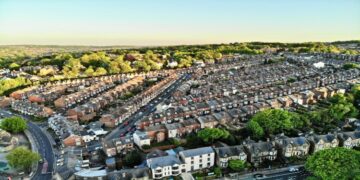
Stepping just two or three train stops away from major terminal hubs uncovers residential enclaves defined by low-rise architecture and family-owned businesses. These districts feature narrow roadways built long before modern automotive traffic dominated urban planning, creating pedestrian-friendly corridors where bicycles, local shoppers, and street markets share the pavement seamlessly.
Exploring these backstreets on foot allows travelers to discover hidden tea houses, independent print shops, and neighborhood shrines nestled between quiet apartment blocks. The atmosphere shifts from fast-paced commercialism to a calm, relaxed cadence where shopkeepers take time to converse with customers and local regulars gather at corner bakeries.
This shift toward hyper-local, digital-first urban living is underpinned by high-speed mobile connectivity that keeps daily life running smoothly across the neighborhood. Local residents and remote workers rely on ubiquitous 5G coverage to handle everyday tasks on the go, whether ordering groceries, coordinating transit schedules, or logging into an Spin Kong Casino app for a quick round of entertainment during a coffee break. High-density digital coverage blends invisible technological convenience directly into the fabric of traditional residential life.
| Neighborhood Name | Primary Architectural Vibe | Key Cultural Highlights | Recommended Time to Visit |
| Kiyosumi-Shirakawa | Industrial warehouse conversion alongside traditional gardens | Specialty coffee roasters, modern art galleries, peaceful canal walks | Early morning to mid-afternoon |
| Yanaka | Historic pre-war residential streets and wooden housing | Traditional craft shops, street food stalls, historic temples | Late morning through late afternoon |
| Kichijoji | Leafy residential parkways and bohemian shopping alleys | Independent fashion boutiques, jazz cafes, sprawling green space | Afternoon into early evening |
| Shimokitazawa | Winding pedestrian lanes and mid-century storefronts | Vintage clothing shops, vinyl record stores, indie theater spaces | Late afternoon through late evening |
The Art of Navigating Residential Yokocho
One of the most rewarding aspects of exploring lesser-known districts is discovering yokocho—narrow alleyways lined with tiny food stalls, micro-bars, and family-run eateries. Unlike the polished dining halls inside commercial department stores, yokocho offer intimate settings where chefs prepare dishes directly in front of diners.
These narrow alleys were originally formed in the post-war era as informal market spaces. Today, they preserve a retro nostalgic atmosphere featuring red paper lanterns, sliding wooden doors, and handwritten wooden menu boards hanging above small counters.
- Intimate Seating: Most yokocho stalls seat fewer than ten guests at a time, encouraging friendly interaction between travelers, local residents, and the shop owner.
- Seasonal Culinary Specialties: Menu offerings focus on hyper-local specialties—such as slow-simmered skewers, hand-folded dumplings, seasonal vegetable plates, and local craft beverages.
- Navational Courtesy: Respecting quiet hours in surrounding residential streets and using basic local greetings helps visitors feel welcome inside these compact community hubs.
Craft Coffee Culture and Historic Architecture
In neighborhoods like Kiyosumi-Shirakawa and Yanaka, historic preservation intersects effortlessly with modern artisan trends. Former timber storage facilities and old concrete warehouses have been repurposed into bright, open-concept specialty coffee roasters and contemporary design studios.
Walking through these districts reveals a harmonious blend of past and present. Centuries-old wooden temple gates sit directly across from minimalist espresso bars, while traditional public bathhouses operate alongside contemporary art galleries.
Taking the time to slow down, explore residential side streets, and absorb local neighborhood rhythms reveals that Tokyo’s true charm lies not just in its futuristic skyline, but in the quiet, historic communities that bring the city to life.

David Prior
David Prior is the editor of Today News, responsible for the overall editorial strategy. He is an NCTJ-qualified journalist with over 20 years’ experience, and is also editor of the award-winning hyperlocal news title Altrincham Today. His LinkedIn profile is here.