



















































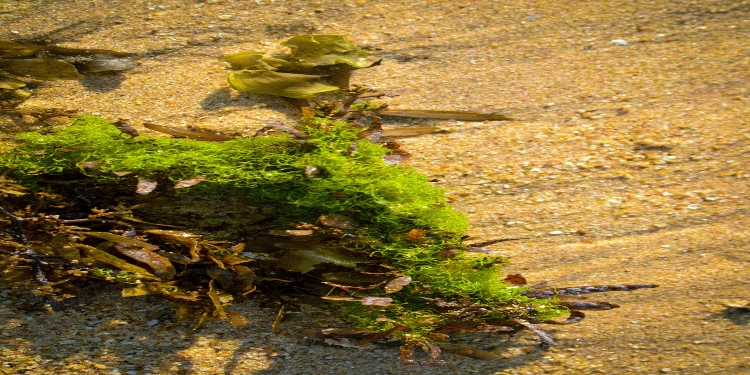
Sea moss gel has moved from niche health-food circles into everyday kitchens, and it’s not hard to see why. It’s simple, versatile, and easy to work into a routine, whether you’re blending smoothies, thickening soups, or just getting curious about plant-based wellness. But despite the growing attention, a lot of people still aren’t entirely sure what it is—or how a tangled sea vegetable becomes a smooth, spoonable gel.
At its core, sea moss gel is exactly what it sounds like: a hydrated gel made from sea moss, a type of red algae most commonly harvested from coastal waters in the Caribbean, Ireland, and parts of North America. It has long been used in traditional food cultures, especially in places where sea vegetables have been valued for both nourishment and practicality.


What Sea Moss Actually Is
Sea moss usually refers to species such as Chondrus crispus or Eucheuma cottonii, though the term is often used broadly in the wellness world. In its raw form, it looks wiry and slightly translucent, with colors ranging from golden and purple to deep red, depending on the variety and where it was grown.
What makes sea moss stand out is its naturally mucilaginous texture. In plain terms, that means it becomes slippery and gel-like when soaked in water. This is why it has been used historically as a thickener in foods long before it became a modern health trend.
Its appeal also comes from its mineral content. Sea moss contains naturally occurring compounds and trace minerals drawn from the ocean environment where it grows. That’s one reason it often appears in discussions around whole-food nutrition and functional ingredients.
Why It’s Turned Into a Gel
Most people don’t eat dried sea moss as-is. Turning it into a gel makes it easier to store, portion, and use in daily meals. Once prepared, the gel has a mild taste and a texture similar to soft aloe or loose jelly, which makes it adaptable in both sweet and savory recipes.
The gel format also allows sea moss to serve more than one purpose in the kitchen. It can be added to:
- smoothies and juices
- oatmeal or yogurt
- soups, sauces, and stews
- homemade face masks or hair treatments, in some cases
That versatility is part of the reason interest has grown so quickly. People looking into plant-derived mineral-rich supplement preparations often come across sea moss gel as a convenient option because it fits easily into an existing food routine rather than requiring a complete lifestyle overhaul.
How Sea Moss Gel Is Made
The basic process is straightforward, though quality depends heavily on the raw ingredient and how carefully it’s handled.
Step 1: Cleaning the Dried Sea Moss
Sea moss is typically sold dried. Before it can be used, it needs to be thoroughly rinsed to remove salt, sand, and any bits of ocean debris. This step matters more than people realize. Good preparation starts with patience here; a rushed rinse can leave grit behind and affect both taste and texture.
Some people also sort through the sea moss by hand to remove any discolored or damaged pieces.
Step 2: Soaking It in Water
After cleaning, the dried sea moss is soaked in fresh water for several hours, often anywhere from 4 to 12. During this time, it expands significantly and softens. The texture changes from wiry and stiff to tender and slippery.
This soaking stage does two things. First, it rehydrates the sea moss. Second, it helps mellow the naturally oceanic smell that can be strong in the dried form. Some people change the soaking water once or twice for a cleaner finish.
Step 3: Blending
Once softened, the sea moss is transferred to a blender with fresh water. The amount of water used affects the final consistency. Less water produces a thicker gel; more creates a looser one.
Blending continues until the mixture becomes smooth and uniform. Depending on the sea moss variety, this can take anywhere from 30 seconds to a couple of minutes. No cooking is required in the standard preparation method.
Step 4: Setting in the Fridge
After blending, the liquid mixture is poured into a jar or container and refrigerated. Over several hours, it thickens into a gel. That transformation happens because of the natural compounds in the sea moss, which bind with water and create structure as the mixture cools.
A properly made gel should be smooth, cohesive, and easy to scoop. It shouldn’t be watery, gritty, or overly lumpy.
What Affects the Quality of the Final Gel?
Not all sea moss gels are equal, and the differences usually come down to sourcing and preparation.
Wildcrafted vs. Pool-Grown
One of the biggest distinctions in the market is between wildcrafted sea moss and cultivated varieties grown in pools or controlled environments. Wildcrafted sea moss often has a more irregular appearance and can vary in color and texture. Cultivated versions are usually more uniform and may produce a more predictable gel, though sourcing practices matter in either case.
Additives and Flavoring
Some prepared gels contain fruit, sweeteners, preservatives, or thickening agents. There’s nothing inherently wrong with flavored versions, but if you want to understand what sea moss gel is in its purest form, it’s worth checking whether the ingredient list is simply sea moss and water.
Shelf Life
Fresh sea moss gel is perishable. Homemade versions typically last around two to three weeks in the refrigerator, depending on cleanliness and storage conditions. If it develops an off smell, discoloration, or visible spoilage, it’s time to discard it.
How People Commonly Use It
Sea moss gel tends to work best when treated as a supporting ingredient rather than a miracle food. Many people stir a spoonful into drinks or breakfast foods because it blends easily without changing flavor too dramatically. Others use it as a vegan thickener in cooking, especially in recipes where eggs or dairy-based stabilizers would normally do the job.
That practical usefulness is part of its staying power. Trends come and go, but ingredients that are easy to use tend to stick around.
A Final Word on Sea Moss Gel
Sea moss gel is, in essence, a simple preparation made from soaked and blended sea moss. Its rise in popularity has a lot to do with accessibility: it offers a straightforward way to use a traditional sea vegetable in modern meals. And while the wellness conversation around it can sometimes get overhyped, the actual product is refreshingly uncomplicated.
If you’re exploring it for the first time, the best approach is the simplest one. Learn what it is, understand how it’s made, and pay attention to ingredient quality. Once you do, sea moss gel stops seeming mysterious and starts looking like what it really is: a humble, ocean-grown food transformed by water, time, and a blender.