



















































When you buy a product, the packaging is often the first thing you notice. The colors, shape, material, logo, and overall presentation can influence how you feel about the brand before you even see what’s inside. This is where custom packaging comes into play.
But what does custom packaging actually mean? In simple terms, it refers to packaging designed specifically for a particular product, brand, or business rather than using standard, ready-made packaging.


From custom printed boxes and mailers to bags, inserts, and unique structural designs, custom packaging gives businesses more control over how their products are protected and presented. Let’s explore what it means, why it matters, and how businesses can use it effectively.
What Is Custom Packaging?
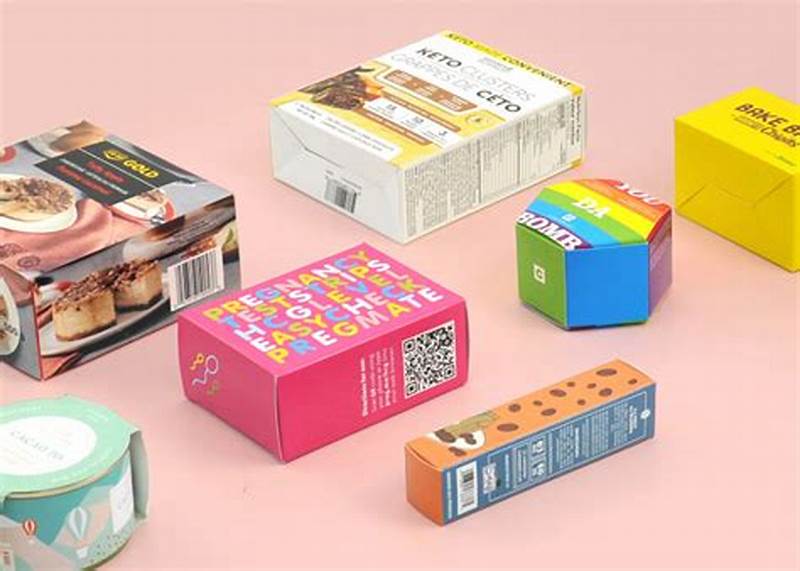
Custom packaging is packaging that is specially designed and produced according to a brand’s specific requirements. Instead of choosing a standard box or bag from a catalog, a business can customize different aspects of the packaging to suit its product and brand identity.
Customization may include:
- Packaging size and dimensions
- Shape and structural design
- Material selection
- Colors and artwork
- Logos and brand messaging
- Finishes and special effects
- Interior inserts and compartments
- Handles, closures, and other functional features
For example, a jewelry company might use a small rigid box with a custom insert to keep a necklace secure. A clothing brand may choose branded mailer boxes for online orders, while a cosmetics company could use custom printed cartons that match its visual identity.
The key idea is that the packaging is created with a specific purpose and audience in mind.
How Is Custom Packaging Different From Standard Packaging?
Standard packaging is usually manufactured in common sizes and designs. It is convenient and often more affordable for businesses that need simple packaging solutions. However, it may not provide the exact fit or brand experience a company wants.
Custom packaging, on the other hand, is tailored to the product and business.
Consider a product that is unusually shaped. A standard box may leave too much empty space, requiring additional filling material to prevent movement. A custom-designed box can be made to fit the product more closely, potentially improving protection and reducing unnecessary space.
Custom packaging can also help a brand create a consistent look across its products. The packaging might feature the same logo, colors, typography, and design elements used throughout the company’s website and marketing materials.
Why Do Businesses Use Custom Packaging?
There are several reasons businesses invest in customized packaging.
1. It Strengthens Brand Identity
Packaging can become an extension of a brand. Consistent visual elements help customers recognize a business and distinguish it from competitors.
For instance, a skincare company might use soft colors and minimalist designs to communicate a clean, modern image. A luxury jewelry brand may choose premium materials and refined finishes to create a more sophisticated presentation.
The goal is not simply to make packaging attractive. It is to make the packaging feel appropriate for the brand and its customers.
2. It Improves Product Protection
Good packaging should do more than look appealing. It should protect the product during storage, handling, and transportation.
Custom dimensions and interior features can help reduce unnecessary movement inside the package. Inserts, dividers, cushioning, and fitted compartments can be designed around the product’s specific requirements.
This can be especially useful for fragile, delicate, or uniquely shaped products.
3. It Creates a Better Unboxing Experience
For many online shoppers, receiving an order is part of the overall customer experience. Opening a thoughtfully designed package can make a routine delivery feel more memorable.
A branded box, custom tissue paper, printed insert, or personalized message can add small details that make customers feel valued.
This is particularly important for businesses that rely on repeat purchases and word-of-mouth recommendations.
4. It Helps Products Stand Out
In a competitive market, packaging can help a product attract attention. On a retail shelf, distinctive packaging may encourage shoppers to take a closer look. In e-commerce, an appealing package can make a delivery feel more recognizable and shareable.
However, effective packaging does not have to be complicated. A simple, well-designed package can be just as effective as an elaborate one when it clearly communicates the brand’s personality.
What Types of Custom Packaging Are Available?
Custom packaging covers a wide range of formats. The right option depends on the product, sales channel, budget, and brand goals.
Common examples include:
- Custom folding cartons
- Rigid boxes
- Mailer boxes
- Shipping boxes
- Product sleeves
- Paper bags
- Pouches
- Gift boxes
- Display boxes
- Custom inserts and dividers
Businesses can also customize materials and printing techniques. Depending on the desired appearance and budget, options may include different paperboards, corrugated materials, specialty papers, coatings, embossing, debossing, or foil details.
A packaging supplier such as PackFancy can help businesses explore different packaging formats and customization options based on their product and branding requirements.
Is Custom Packaging Only for Large Companies?
Not at all. Small businesses, startups, and independent brands can also benefit from custom packaging.
The important thing is to choose customization strategically. A small business does not necessarily need an elaborate package with multiple decorative features. It may be more practical to start with a simple branded box, sticker, or printed mailer and expand as the business grows.
Before placing an order, consider:
- What does the product need for protection?
- How will the package be shipped or displayed?
- What budget is available?
- What materials suit the brand?
- What impression should customers have?
- How much packaging is actually necessary?
Answering these questions can help prevent unnecessary spending while ensuring the packaging serves a real purpose.
How to Choose the Right Custom Packaging
The best packaging balances function, branding, customer experience, and cost.
Start by understanding the product itself. Fragile products may need additional protection, while lightweight products may work well with simpler packaging. Next, consider how customers receive the product. Retail packaging may require different features than packaging designed primarily for e-commerce shipping.
Finally, think about your brand. Your packaging should feel like a natural part of the customer experience rather than an unrelated design added at the last minute.
Final Thoughts
So, what does custom packaging mean? Simply put, it means creating packaging specifically around the needs of a product, brand, and customer instead of relying entirely on generic packaging.
When thoughtfully designed, custom packaging can protect products, reinforce brand identity, improve the unboxing experience, and help businesses create a more memorable customer journey. The best approach is not necessarily the most expensive or elaborate one. It is the packaging that solves practical problems while communicating what the brand stands for.
For businesses considering an upgrade, starting with the product’s protection and customer needs is often the best first step. From there, thoughtful customization can turn an ordinary package into a meaningful part of the overall brand experience.