

















































Modern businesses operate in a fast-paced digital environment where efficiency, customer experience, and agility are essential for success. Many organizations still rely on disconnected systems, spreadsheets, and manual processes that slow operations and increase costs. As companies grow, these inefficiencies become more difficult to manage.
What Is End-to-End Workflow Automation?
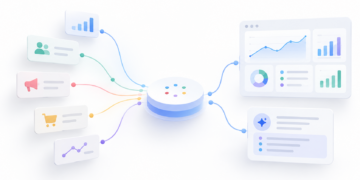
End-to-end workflow automation connects and automates complete business processes across multiple departments. Instead of automating individual tasks, it creates a seamless flow of information between sales, marketing, customer service, finance, and HR. Data moves automatically between systems, reducing manual work and improving overall productivity.


Many businesses turn to Salesforce consulting to identify workflow bottlenecks, improve operational efficiency, and develop automation strategies that support long-term growth.
Improved Operational Efficiency
One of the biggest benefits of workflow automation is increased efficiency. Repetitive tasks such as data entry, approvals, notifications, and reporting can be automated, allowing employees to focus on higher-value activities. This reduces delays, improves productivity, and helps organizations operate more effectively.
Businesses investing in Salesforce implementation services can connect systems, automate routine workflows, and create a more scalable operational framework.
Better Customer Experiences
Customers expect fast responses and consistent service throughout their journey. Automated workflows can manage customer onboarding, support requests, follow-up communications, and CRM updates. This enables businesses to provide a smoother and more personalized experience while improving customer satisfaction.
Reduced Human Error
Manual processes often result in duplicate records, missed approvals, and inaccurate data. Workflow automation follows predefined rules, helping organizations improve data accuracy, compliance, and operational consistency. As businesses expand, reducing human error becomes increasingly important.
Stronger Cross-Department Collaboration
Many organizations struggle with siloed systems where departments use separate tools and information sources. Workflow automation connects these systems, ensuring information is shared seamlessly across teams. This improves communication, visibility, and alignment throughout the organization.
Real-Time Visibility and Insights
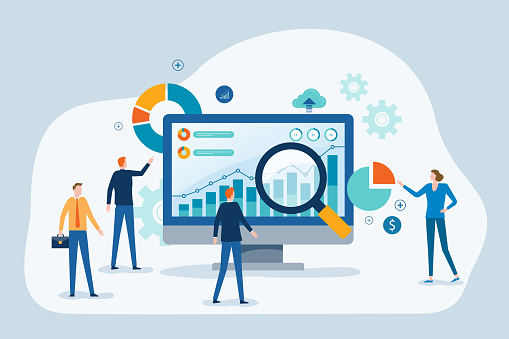
Business leaders need accurate information to make informed decisions. Automated workflows centralize data and provide real-time visibility into operations, customer activity, and business performance. This allows organizations to identify opportunities, resolve bottlenecks, and make faster decisions.
How AI Is Enhancing Workflow Automation
Artificial intelligence is making workflow automation more intelligent and adaptive. AI-powered solutions can analyze data, identify patterns, predict outcomes, and recommend actions. These capabilities help businesses improve efficiency, personalize customer interactions, and uncover valuable insights.
The Future of Business Operations
Workflow automation is transforming industries including healthcare, finance, retail, manufacturing, and technology. As digital transformation accelerates, automation is becoming a necessity rather than a competitive advantage.
Organizations that combine workflow automation with Salesforce consulting and Salesforce implementation services can reduce costs, improve customer experiences, increase productivity, and build scalable operations that support long-term business growth.