




















































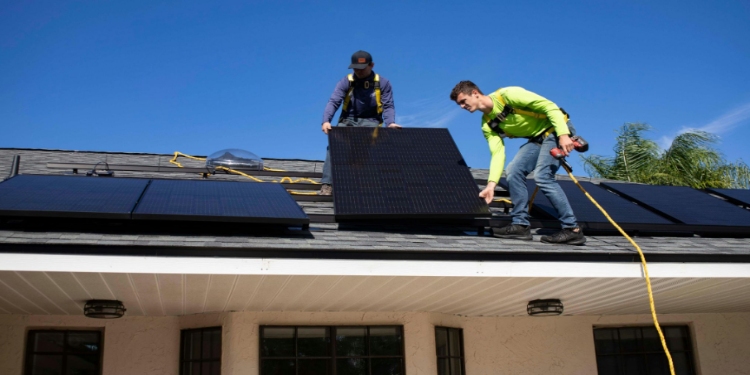
Installing solar panels involves more than choosing a panel brand, since factors like roof orientation, battery storage, and future scalability significantly affect how much value a homeowner gets from the system. Installers such as SM Electrical Services regularly work through these considerations with homeowners, and understanding the key factors in advance helps ensure the resulting system matches the household’s actual energy needs.
Roof Orientation Affects Output but Does Not Rule Out Installation
South-facing roofs typically generate the most electricity over a full year, but that doesn’t mean homes without a south-facing roof should rule out solar entirely, since modern system design can still achieve strong performance on east- or west-facing roofs with the right panel configuration. An experienced installer’s site assessment sets realistic output expectations for a specific property, rather than relying on generic assumptions about roof direction alone.


Battery Storage Changes How a System Performs
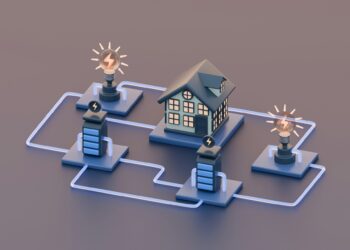
Adding battery storage lets a household store excess electricity generated during daylight hours for use in the evening or overnight, considerably increasing the proportion of a home’s total electricity needs that solar can realistically cover. Without a battery, any unused electricity generated during the day is simply exported back to the grid rather than benefiting the household directly during peak usage periods later on.
Standard Systems Do Not Provide Backup During Power Outages
A common misconception is that solar panels automatically provide power during a grid outage; in fact, standard grid-connected systems shut down during power cuts as a safety measure to protect utility workers. Homeowners who want backup power during outages need a system with battery storage and backup functionality, which they should discuss and confirm with the installer rather than assume.
Scalability Allows the System to Grow With Future Needs
A well-designed solar installation can be built with future expansion in mind, allowing homeowners to add battery storage or additional panel capacity later without replacing the entire system. This scalability matters for homeowners who may not want to commit to the maximum possible system size immediately but want the flexibility to expand as their budget or energy needs change over time.
Smart Export Guarantee Payments Offset Installation Costs
Homeowners generating more electricity than they use can receive payments for the excess exported back to the national grid through the Smart Export Guarantee scheme, providing an additional financial return alongside the direct savings from reduced grid reliance. Understanding how this scheme applies to a specific system helps homeowners build a more accurate picture of the total long-term value of their investment.
Choosing an Installer With Genuine Certification
Check the Installer’s Accreditations
Homeowners should prioritise an installer with recognised certifications, including MCS, NICEIC, and OLEV approval, because these accreditations confirm the installer meets industry standards for installation quality and electrical system safety.
Certification also matters for eligibility, since many financial incentives and warranty protections require a certified installer rather than an uncertified contractor working outside these recognised frameworks.
Request a Property-Specific Quotation
Pricing for a solar installation varies considerably based on roof layout, system size, and whether battery storage is included, so a detailed, property-specific quotation is far more useful than a generic estimate based on average costs. Comparing the actual specification and expected output behind each quote can clarify what the investment will deliver.
Understand Ongoing Maintenance
Homeowners should also ask prospective installers about ongoing maintenance requirements, since although solar systems generally require minimal upkeep, understanding what monitoring or occasional servicing is genuinely recommended helps set realistic expectations for system ownership over its full lifespan.
Consider Your Energy Usage
Homeowners should also consider how their electricity usage patterns align with daylight generation hours, since households that use most of their electricity in the evening will see a different return on investment than those with high daytime consumption from working at home or charging an electric vehicle during the day. Understanding this pattern in advance helps set realistic expectations for how much of the home’s total energy needs solar can genuinely offset.
Taking the time to properly assess these factors before committing to an installer, rather than choosing based on price alone, gives homeowners a considerably better chance of ending up with a system that performs reliably and delivers long-term value for their specific property and energy needs.
Planning a Solar Installation That Works for Your Home
Solar panels can offer meaningful long-term benefits, but a system’s value depends on much more than the panels themselves. Considering roof orientation, energy usage, battery storage, future expansion, export arrangements and installer certification gives homeowners a clearer understanding of what a system can realistically deliver. Taking time to assess these factors before installation helps ensure the final setup suits the property, household energy needs, and longer-term plans.

David Prior
David Prior is the editor of Today News, responsible for the overall editorial strategy. He is an NCTJ-qualified journalist with over 20 years’ experience, and is also editor of the award-winning hyperlocal news title Altrincham Today. His LinkedIn profile is here.