



















































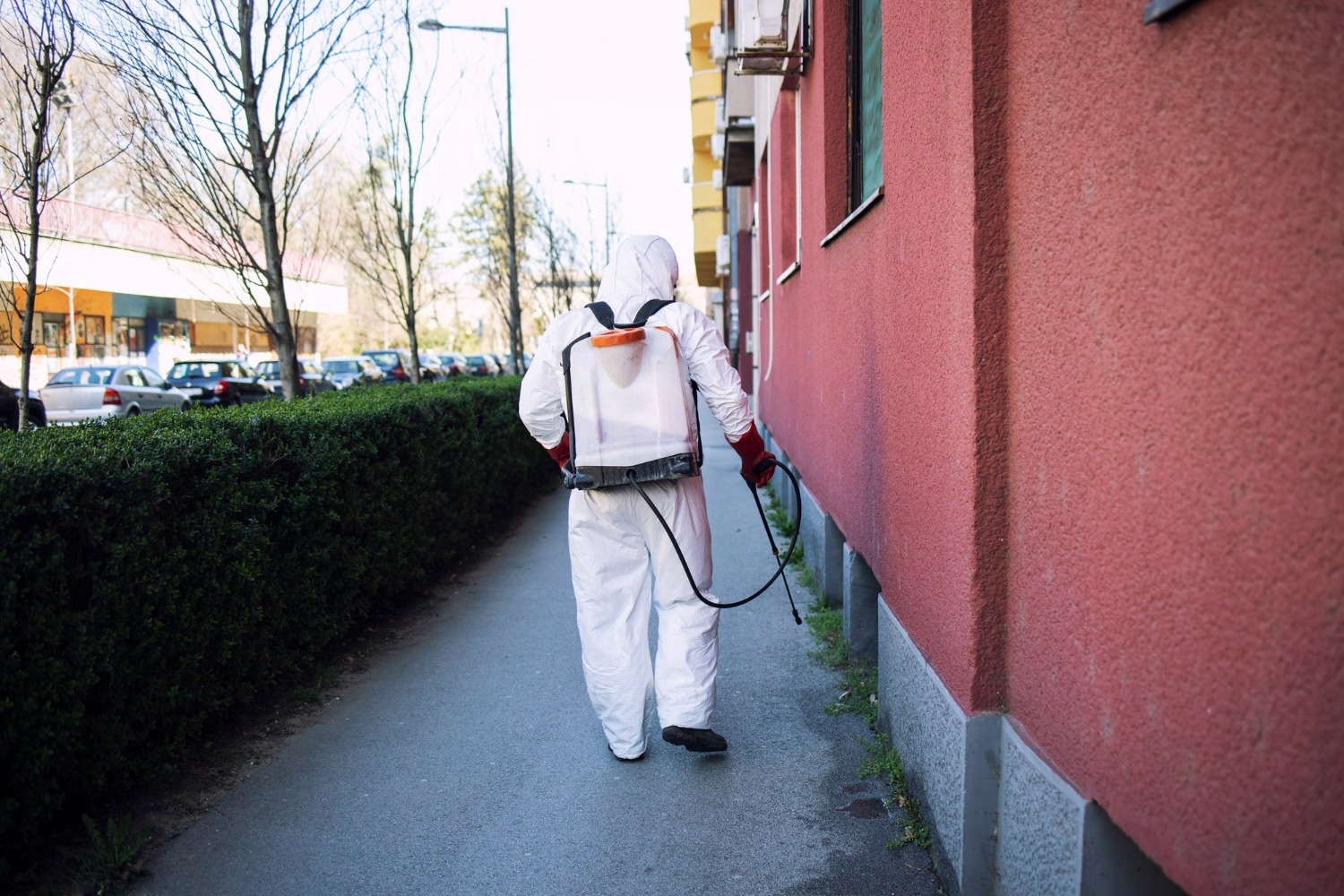
Hotels, landlords, and food businesses are facing a sharp rise in pest-related costs. The numbers are hard to ignore. The response from most operators still is.
An Operational Risk That Does Not Feature in Most Board Papers
There is a risk working its way up the commercial agenda of UK businesses that rarely makes it into annual reports. It is not cyber, not inflation, not staffing. It is pests. And the consequences of getting it wrong are considerably larger than most operators assume, until they are already dealing with the fallout. UK hotels saw a 278% increase in reported bed bug cases in early 2024 compared with 2023, according to industry data reported by the BBC, Sky News, and The Times.


The Scale Is No Longer Marginal
London, Leicester, and Manchester consistently top the UK’s bed bug rankings. The British Pest Control Association (BPCA) has recorded year-on-year growth in commercial call-outs, and London alone has more than 18,000 food establishments operating under Environmental Health Officer scrutiny with publicly visible hygiene ratings.
The commercial impact is being felt most acutely in high-density urban areas. EcoCare Pest Management, a BPCA-accredited and Royal Society for Public Health-certified pest control specialist operating across London and the wider UK, works with hotels, food businesses, commercial landlords and property managers, and has seen a sustained rise in commercial enquiries from operators across Wimbledon and the SW London corridor over the past 18 months.
One Infestation, Multiple Consequences
For many commercial operators, pest control remains a reactive maintenance task. That is an increasingly costly position. A confirmed infestation can set off a chain of consequences well beyond the treatment invoice: reviews on TripAdvisor and Google that arrive quickly and stay publicly visible; hygiene rating drops that are slow to reverse; and, for commercial landlords, direct legal exposure under the Prevention of Damage by Pests Act 1949, which places a duty on occupiers to keep premises free from rodents. Many landlords do not realise that liability exists until a problem has already escalated.
Post-pandemic international travel volumes have reintroduced bed bugs to the UK at scale. Warmer UK winters, documented progressively by climate researchers, are extending the breeding seasons of pest species that cold weather would previously have suppressed. Pest professionals are now dealing with activity levels that, a decade ago, would have slowed or stopped during the winter months.
From Emergency Calls to Managed Programmes
Better-managed operators are moving away from the reactive model and towards structured prevention. The drivers are partly financial, since emergency response consistently costs more than planned management, and partly reputational: a hygiene rating drop or a widely shared review thread now represents a faster and more visible commercial threat than the treatment invoice itself.
Integrated Pest Management (IPM) is replacing older spray-and-respond approaches as the standard specified by facilities managers and landlords who take compliance seriously. IPM prioritises monitoring, early detection, environmental controls, and targeted intervention only where evidence supports it, reducing chemical reliance and generating an audit trail suitable for EHO and insurance purposes.
Wimbledon and the Pressures Facing SW London Operators
Wimbledon illustrates conditions replicated across many UK commercial zones. Affluent residential stock, a dense commercial corridor, and The Championships, which brings an estimated 500,000 visitors into SW19 over a fortnight, create concentrated pest risk vectors across hotels, short-lets, restaurants, and transport infrastructure. Victorian and Edwardian housing, prevalent across the area, adds further complexity: original brickwork, period timber, and ageing drainage offer points of ingress that modern construction largely eliminates. Local businesses and landlords are increasingly specifying locally-based, commercially-focused partners capable of rapid response.
What Operators Are Saying
A spokesperson for EcoCare Pest Management described the shift in commercial demand they are currently observing:
“Over the past 18 months, the nature of commercial enquiries has changed significantly. Bed bugs are the fastest-growing category, but the notable shift is in what businesses are asking for. Hotels and landlords are no longer just looking to resolve an immediate problem. They are moving to annual preventative contracts because they understand what a publicised incident does to occupancy rates, hygiene ratings, and tenant retention. The primary driver of pest spend is no longer the treatment cost. It is reputation risk.”
Spokesperson, EcoCare Pest Management
What Well-Run Businesses Are Doing Differently
The businesses managing pest risk most effectively share a consistent set of practices. Annual preventative contracts have replaced one-off call-outs. Regular monitoring generates the documentation that EHO inspectors and auditors require. Staff training on early identification has become standard induction practice in hospitality and food businesses. There is also a growing preference for BPCA-accredited providers: accreditation carries competency and insurance requirements, and the treatment records, risk assessments, and monitoring logs it demands provide the evidence trail that compliance audits and insurers increasingly expect.
The Cost of Doing Nothing Has Changed
Pest control has been quietly reclassified. What was once a facilities maintenance line item is increasingly understood as a reputational and compliance risk with direct financial consequences. The conditions driving that change are structural, not cyclical: higher travel volumes, warmer winters, denser commercial zones, and the speed with which a negative review reaches a prospective customer. The most expensive infestation is always the one you did not plan for.