



















































Footsteps can interrupt sleep, traffic can mask speech, and voices through a shared wall can disrupt concentration and compromise privacy. Noise can start indoors or outside and travel through the air, including via gaps and vents, or as vibration through the structure. Here are seven reasons indoor noise becomes a problem, from where it starts to how it travels and lingers.
Diagnose the Noise Before Selecting a Solution
The source-path-receiver model helps pinpoint where to intervene.


Start with three questions:
- Source: What activity or equipment creates the noise?
- Path: Does it reach you through the air, including via ducts, or through walls, floors and other connected structures?
- Receiver: Which room or occupant is affected?
The main noise sources and acoustic needs vary across homes, offices, hotels, schools and industrial facilities. That’s why soundproofing for different sectors starts with diagnosis. Let the findings guide product selection.
1. Conversations, Television and Music
Conversations, television and music produce airborne noise. When sound waves strike walls, floors or ceilings, those surfaces can vibrate and radiate sound into adjoining rooms. Speech can be especially distracting and intrusive when you can make out the words.
All else being equal, lower mass per unit area can reduce airborne sound insulation. Cavity design, airtight joints and mechanical separation also affect the partition’s performance.
2. Footsteps, Moving Furniture and Dropped Objects
Impact noise starts when footsteps, dragging chairs, children jumping or dropped objects transfer energy directly into a floor or wall. The resulting vibrations travel through the structure and can produce thuds or knocks in other rooms.
Soft floor finishes cushion lighter impacts, while resilient underlays and floating floors can reduce vibration transfer at the source. Treating the ceiling below may have limited effect if vibration bypasses it through adjoining walls and junctions.
3. HVAC, Plumbing and Lifts
Building services can produce a steady hum, intermittent knocks or vibration that travels through the structure.
Heating, Cooling and Ventilation
Fans, chillers and pumps can transmit vibration through rigid connections. Turbulent airflow can generate duct noise. Resilient mounts and flexible connections can limit vibration transfer; duct silencers reduce noise carried through the ducts.
Plumbing and Vertical Transport
Water flow, pipe expansion and lift motors can generate noise. Rigid pipe clips and machinery mounts can carry vibration into walls and floors. Control service noise at its source and along its path. Absorptive panels cannot stop vibration travelling through the structure.
4. Appliances, Office Equipment and Industrial Machinery
Washing machines, refrigerators and printers can produce noise and vibration, as can standalone compressors, generators and production equipment. Worn or unbalanced parts can increase both. Rigid mounts can pass vibration into floors or work surfaces that then radiate sound.
Check how the equipment runs and whether it needs servicing before adding acoustic products. Correctly selected resilient mounts or isolation platforms limit vibration transfer. A suitable enclosure helps contain airborne sound.
5. Traffic, Construction and Outdoor Activity
Road traffic, trains, aircraft, construction, deliveries, nightlife and outdoor equipment such as heat pumps can be heard indoors. How much airborne noise gets in depends on the whole building envelope: the roof, walls, glazing, frames, seals and ventilation openings.
Upgrading windows may do little if most noise enters through an untreated vent or a poorly sealed junction. Plan ventilation and noise control together so rooms still get enough fresh air.
6. Reverberation in Hard, Busy Interiors
Glass, concrete, painted plasterboard and other hard finishes reflect sound back into a room. In busy offices, schools, restaurants and other public interiors, those reflections let voices and equipment noise linger and overlap.
Wall absorbers or acoustic ceiling baffles can reduce reverberation and make speech easier to follow. This acoustic treatment improves conditions inside the room. Soundproofing addresses transmission between rooms, which can remain a problem even after reverberation is reduced.
7. Doors, Vents and Other Weak Points
A single untreated opening can limit the sound insulation of an otherwise substantial wall or ceiling.
Check these common weak points:
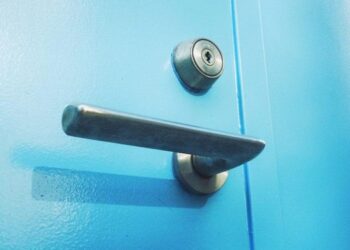
- Doors: lightweight leaves and gaps around frames or under doors.
- Windows: unsuitable glazing and poorly sealed frames.
- Ventilation: untreated grilles, open ducts and shared air paths.
- Services: gaps around pipes, cables and recessed fittings.
- Junctions: unsealed edges can leak airborne sound; adjoining walls and floors can carry vibration around a sealed partition.
Assess the whole separating assembly, including openings and connections, before upgrading the largest surface.
Treat the Cause, Not Only the Symptom
Voices, impacts, building services, machinery and outdoor activity produce noise that travels through air or structures. Gaps let airborne sound through; reflections make it linger. Identify the source, trace the path and choose suitable source control, soundproofing, vibration isolation or acoustic treatment. Lasting improvement comes from addressing the cause rather than covering the nearest surface.

David Prior
David Prior is the editor of Today News, responsible for the overall editorial strategy. He is an NCTJ-qualified journalist with over 20 years’ experience, and is also editor of the award-winning hyperlocal news title Altrincham Today. His LinkedIn profile is here.