















































Water is one of the important resources that help modern society.. Managing water is becoming more difficult. Water management has become a worry for companies and governments. This is because of growing populations, industrialisation, changing weather and pressure on freshwater supplies. Knowing how much water is available at any time can really affect work from industrial tanks, to city reservoirs.
The real amount of water that is used or stored is equally important even though water management often focuses on water quality, treatment and saving water. Even good systems can waste water break down or suffer surprise damage if there is no water level data. That is why accurate monitoring is becoming a part of modern water infrastructure.


The Importance of Knowing Water Levels
Water levels keep changing because of rain, evaporation using water and other things in the environment or in how things run. In a storage tank for example water gets used during the day while pumps try to keep water in reserve. If the water level goes down much machines might not work well or might stop working completely. If there is much water it can overflow, which leads to waste and can hurt nearby areas.
These problems are not just for water storage, at home. Factories, places that water farms that water crops and cities that keep water all need to know how much water they have available.
Accurate level measurement helps operators understand how much liquid is present in a particular container or system. Rather than relying entirely on manual inspections, facilities can use measurement technologies to obtain consistent readings and make decisions based on actual operating conditions.
How Technology Is Changing Water Level Monitoring
One can see traditional water‑level monitoring rely on checks graduated measuring tools or mechanical indicators. While these methods can still be helpful under some conditions they can become inconvenient when dealing with reservoirs, underground tanks or hard‑to‑reach places.
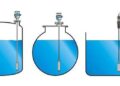
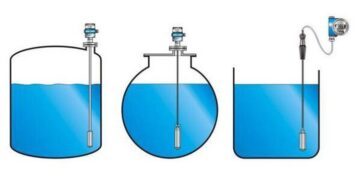
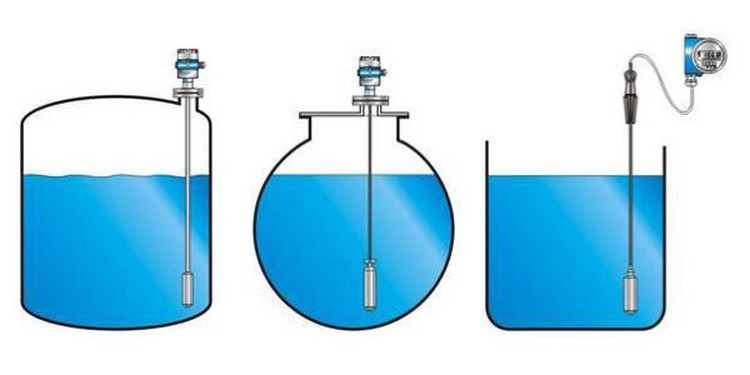
It is noticeable that modern electronic water‑level monitoring systems offer an option. Depending on what you need, water‑level monitoring systems can gauge levels by sensing pressure changes, sending ultrasonic signals using radar waves or tracking mechanical movement.
For example hydrostatic measurement finds water depth by reading the pressure that the liquid applies. Ultrasonic devices send waves toward the water surface and calculate its position from the echo that returns. Radar technology follows an idea but uses electromagnetic waves instead.
Every method has its strengths. Choosing the one depends on things such as how far the sensor must reach, where it will be installed, what the water looks like and how precise the readings must be, for the facility.
Why Water Level Sensors Are Becoming Essential
One of the most useful developments in water management is the ability to monitor levels automatically. A modern water level sensor can detect changes in a tank, reservoir, or other water storage system and convert those changes into readable electrical signals.
This information can be shown on a screen or sent to a remote monitoring platform. This way operators can check conditions without having to visit each installation.
The practical benefits are huge. In facilities automated monitoring can help control water supply pumps. It can stop storage tanks from overflowing. It can keep reserves for production. In settings automated monitoring can aid irrigation management. It can help farmers know when water needs replenishing.
These devices are also useful in wastewater treatment plants. In those plants, water and sludge levels must be managed carefully to keep treatment processes running. Likewise monitoring systems placed on rivers and reservoirs can give information about changing water conditions. This is especially true when heavy rainfall comes
Supporting Flood Prevention and Water Resource Management
The importance of water-level monitoring becomes especially clear during weather events. When heavy rainfall hits, rivers and drainage systems can rise fast. This quick rise increases the risk of flooding in communities. Continuous measurements give details about these changes. They can support early-warning systems that help people prepare.
Even though a sensor alone cannot stop a flood, accurate readings can help authorities notice situations. This allows them to respond quickly. When monitoring equipment is linked to communication networks data can be sent to control centres and to the people who need it. This connection helps everyone stay informed and act in time.
Reservoir management is another example. Water authorities have to balance how water they have with changing demand, rainfall and seasonal shifts. Consistent monitoring gives them insight into storage levels. This helps them make choices, about how to distribute water. It ensures water is used wisely and efficiently.
Choosing the Right Monitoring Approach
Water management is not one size fits all. For a domestic storage tank a simple float switch may be enough but a large industrial reservoir will often need a continuous measurement instrument such as a hydrostatic or radar sensor. Water management decisions should also take conditions into account. Temperature, water contamination, turbulence, foam and suspended materials can all lower measurement accuracy. Installation needs, maintenance demands and the expected life of the instrument are also factors. Facilities should carefully examine their real monitoring needs before picking an instrument. Choosing the right measurement tool from the start can lower maintenance problems. Make the data that you collect more reliable.
Moving Towards Smarter Water Management
As industries and communities deal with pressure to save fresh water better ways to watch over water use will be very important for making things work better. Managing water today is not about looking at how much is in the tanks now and then. It is more about getting real information, seeing what is changing and acting before small issues turn into big problems.
Using tools to measure water levels along with automated systems and watching from a distance can help places use water in a better way. Whether the goal is stopping tanks from filling much, keeping factories running, helping crops get water or getting ready for heavy rain, having accurate water level data is really helpful.
In the end managing water well starts with knowing the water itself. By putting money into the ways to check on water and keeping the measuring tools working properly companies can use the water they have better. This also helps create better systems for the future.
Conclusion
Effective water management begins with knowledge of the water that is available. When water demand keeps rising and the weather becomes harder to predict, reliable monitoring becomes more and more essential for factories, farms and public buildings. New measurement tools let organisations see how water levels change, stop waste and fix possible problems before they hit production.
By choosing the monitoring systems and linking them to automatic controls businesses and communities can work more efficiently and use freshwater more responsibly. In the end accurate water‑level monitoring is not just about knowing how water there is; it is about using this precious resource in a smarter and more sustainable way.

David Prior
David Prior is the editor of Today News, responsible for the overall editorial strategy. He is an NCTJ-qualified journalist with over 20 years’ experience, and is also editor of the award-winning hyperlocal news title Altrincham Today. His LinkedIn profile is here.