


















































The average UK consumer spends over £780 a year on subscriptions, from streaming packages to food boxes and retail memberships. Yet, according to research last year from credit card company Aqua, almost one in five weren’t tracking what they’d signed up for. This figure came after the UK government said consumers were spending £1.6 billion annually on subscriptions they didn’t use.
Now, as price hikes continue to be felt, there’s a growing desire amongst Brits to tighten their belts, especially when many could be saving upwards of £500 per year. As households begin to prune their monthly outgoings – and customer retention through increasingly expensive subscriptions is no longer a given – brands across sectors are looking at other ways to offer long-term value.


Source: Unsplash
Indeed, to ensure their platforms, shops or services remain part of the everyday household budget, companies are refining existing loyalty schemes through personalisation, exclusivity and value-led rewards as consumers become increasingly selective about where they spend their money.
How Brands Are Earning Loyalty
So, how are brands seeking to gain our attention and retain our custom in 2026, when loyalty is no longer being secured through long-term commitments? Instead, brands are being forced to continually earn consumer attention through regular rewards, personalised offers and tangible value. In the supermarket, for example, many will be familiar with discounted “Nectar” and “Clubcard” prices at Sainsbury’s and Tesco. Instead of broad promotions, two-tier pricing incentivises membership and encourages repeat spending.
Similarly, in high-street coffee shops like Costa and fast-food chains like McDonald’s, individual apps reward members with exclusives. By earning purchase-based points in the Costa Club and through MyMcDonald’s Rewards, customers can unlock products such as a free coffee or cheeseburger.
In fashion and retail, Marks & Spencer has developed a personalised digital wallet that’s tailored to personal spending habits. Instead of straightforward points to use on further purchases, its “Sparks” scheme gives members access to prize draws and birthday treats as well as money-off products. ASOS is another good example through its ASOS WORLD scheme. As customers spend more, they enter higher tiers, which give them access to different incentives.
In digital entertainment such as iGaming, new customer promotions like a £30 bingo bonus offer when a user spends £10 remain popular. Platforms are also increasingly focusing on retention through daily free bingo games and double loyalty points on certain days.
Similar time-sensitive perks are proving equally effective on the high street. Boots, for instance, complements personalised money-off coupons with its £10 Tuesday flash sale. This features a range of products, from skincare and beauty to wellness items, that are heavily discounted for 24 hours.
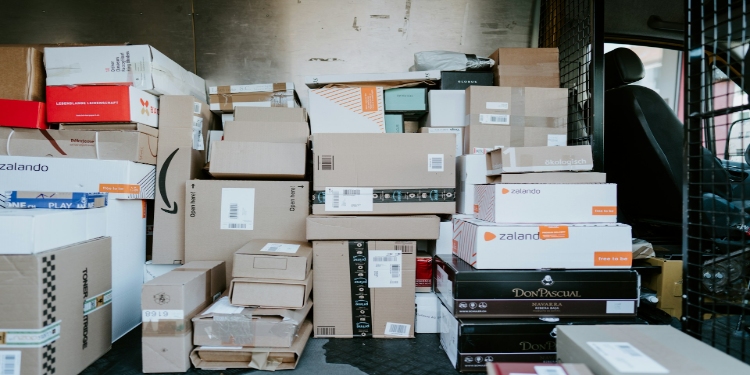
Even those services that have in the past relied on paid subscriptions – like Disney+ and Amazon Prime – are incorporating broader lifestyle benefits to justify the fee. Disney provides members with fan experiences alongside other perks, and Amazon Prime packages its TV and movie platform with free next-day delivery, Amazon Music and access to Deliveroo Plus.
Source: Unsplash
No More Passive Loyalty
Brands can’t rely on passive loyalty anymore. The automatic monthly renewal is under the microscope as people keep a closer eye on their spending in 2026. Crucially, consumers are seeking better value. Through flexible rewards, personalised discounts and instant, easy-access incentives, brands are giving cautious customers more options at a time when household budgets have been squeezed. To win the retention race, businesses must make loyalty feel rewarding rather than obligatory.

David Prior
David Prior is the editor of Today News, responsible for the overall editorial strategy. He is an NCTJ-qualified journalist with over 20 years’ experience, and is also editor of the award-winning hyperlocal news title Altrincham Today. His LinkedIn profile is here.