



















































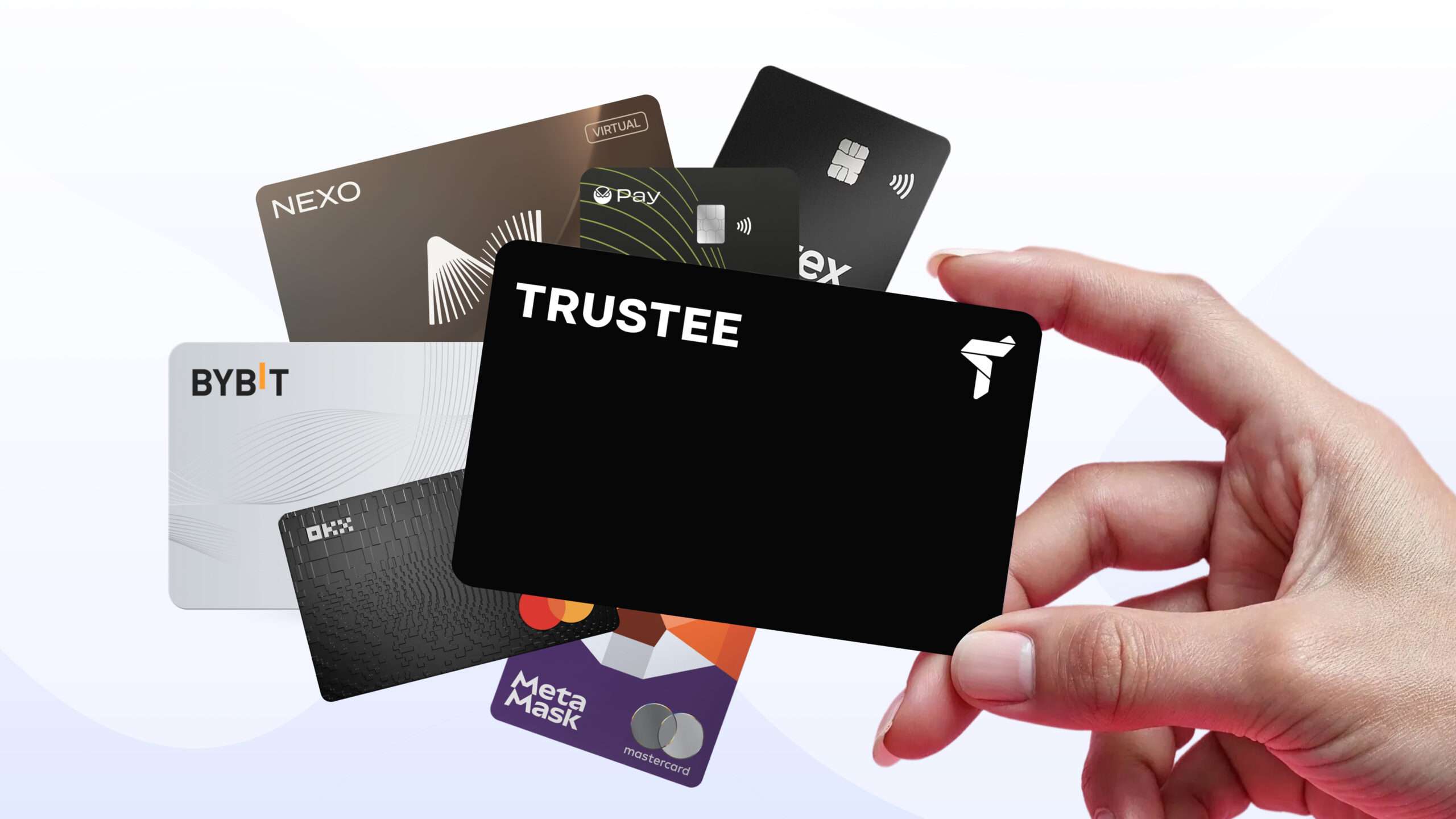
The crypto card market offers different approaches to spending digital assets. Choosing among them requires more than looking at card design or promotional claims. You should compare funding methods, supported assets, fees, card availability, security, payment coverage, and withdrawal options. Karta is one option in this category, offering a wallet and Visa card platform for supported users. If you are comparing services for 2026, you can visit Karta and compare its current features and terms with your own requirements.
What Makes a Crypto Card Useful?
A crypto card provides a link between digital assets and everyday card payments.


A blockchain wallet is useful for holding and transferring crypto.
A card is useful when a merchant expects Visa or another established payment network.
The two systems serve different functions.
A crypto card brings them closer together.
Before choosing a provider, think about how you spend money
- Do you mainly shop online?
- Do you travel?
- Do you receive USDT?
- Do you need ATM access?
- Do you need a physical card?
- Do you need a virtual card?
- Do you need mobile wallet support?
Your answers should guide the comparison.
Key Factors for Comparing Crypto Cards in 2026
- Supported Assets
- Start with the assets you already hold.
- If you primarily use USDT, check whether the provider supports USDT.
- If you hold USDC, check USDC support.
- If you use several networks, check network compatibility.
Karta currently lists USDT and USDC as supported top-up assets and lists multiple blockchain networks.
Fees
Fees directly affect your spending cost.
Review:
- Card activation fees.
- Card payment fees.
- ATM withdrawal fees.
- Blockchain network fees.
- Transfer charges.
- Conversion costs.
- Do not compare providers based on one fee.
- Calculate your expected monthly spending.
For example, a $2,000 monthly card budget at a 1.5% payment fee equals $30 in payment fees.
A provider with a lower transaction fee might become more suitable for frequent spending, depending on other charges.
Card Type
- Virtual and physical cards serve different needs.
- Virtual cards work well for online spending.
- Physical cards work well for in-person payments.
- If you travel, access to both formats gives you more options.
- Karta currently lists virtual and physical Visa cards as part of its platform.
Merchant Acceptance
- Card acceptance depends on the payment network and merchant.
- Visa has broad global coverage, but no card works at every merchant.
- Some businesses restrict prepaid, debit, virtual, or international cards.
- Some merchants apply authorization holds.
- Some transaction categories have additional restrictions.
- Check the card provider’s current terms before relying on a card for essential payments.
Regional Availability
A crypto card might work in one country and have restrictions in another.
- Local regulations matter.
- Partner coverage matters.
- Verification requirements matter.
- 3D Secure.
- Encrypted transactions.
- PIN protection.
- Secure account access.
- Wallet controls.
- Transaction notifications.
- Card controls.
Karta lists 3D Secure, encrypted transactions, PIN protection, and a self-custody wallet among its security information.
Verification and Compliance
Avoid choosing a provider based on promises about avoiding identity checks.
Financial services often require verification.
A transparent verification process gives you a clearer understanding of what information you need to provide.
Karta’s platform states that its card programs operate with regulated financial and card-issuing partners.
Karta as a Crypto Card Option
Karta describes its service as an all-in-one payment app rather than a bank. The platform combines wallet management, crypto funding, card payments, and other payment functions.
Its current website lists:
- Virtual Visa card.
- Physical Visa card.
- USDT and USDC funding.
- Multiple blockchain networks.
- Apple Pay support.
- Google Pay support.
- ATM access.
- Crypto wallet functions.
- Payment transfers.
The exact availability of each feature depends on the user’s location, applicable rules, and current product terms.
Best Crypto Card for Online Spending
If most of your purchases happen online, focus on virtual card access.
A good setup should provide:
- Reliable card details.
- Clear transaction records.
- Useful account controls.
- Reasonable fees.
- Support for your preferred assets.
- Strong security controls.
Virtual cards are particularly useful for subscriptions and digital services.
Best Crypto Card for Travel
Travelers need broader functionality.
Look for:
- Physical card access.
- Virtual card access.
- Mobile wallet support.
- ATM access.
- International merchant acceptance.
- Clear foreign transaction costs.
- Reliable customer support.
Karta lists Visa card access, mobile wallet support, and ATM access among its features.
Best Crypto Card for Stablecoin Users
If your income arrives in stablecoins, funding flexibility becomes important.
Check whether your provider supports:
- USDT.
- USDC.
- Your preferred blockchain network.
- The transfer method you use.
- The provider’s current deposit requirements.
Karta lists USDT and USDC and multiple supported blockchain networks.
Best Crypto Card for ATM Use
ATM access matters when you need physical cash.
Before using an ATM, check:
- Withdrawal fees.
- Daily limits.
- Local ATM charges.
- Currency conversion costs.
- Regional restrictions.
Karta currently lists ATM cash access and publishes an ATM withdrawal fee structure on its website.
Do not assume every ATM supports the same transaction.
How to Compare Cards With a Simple Scorecard
You can create your own comparison.
Category Weight
- Supported assets 20%
- Fees 20%
- Card availability 15%
- Security 15%
- Merchant coverage 10%
- Virtual card 10%
- Physical card 5%
- ATM access 5%
Give each provider a score from one to five.
A crypto card should fit your spending habits rather than force your habits to fit the product.
Conclusion
The best crypto cards in 2026 will vary by user. A traveler has different requirements from a freelancer. A stablecoin holder has different priorities from a person who mainly holds Bitcoin. Start with your location, assets, payment needs, fees, and security requirements. Karta provides one example of a crypto card and wallet platform, with current information covering supported stablecoins, Visa card access, virtual and physical cards, mobile payments, and wallet functionality