







































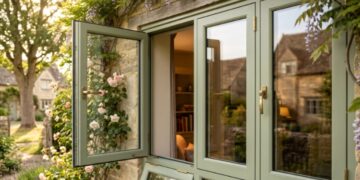











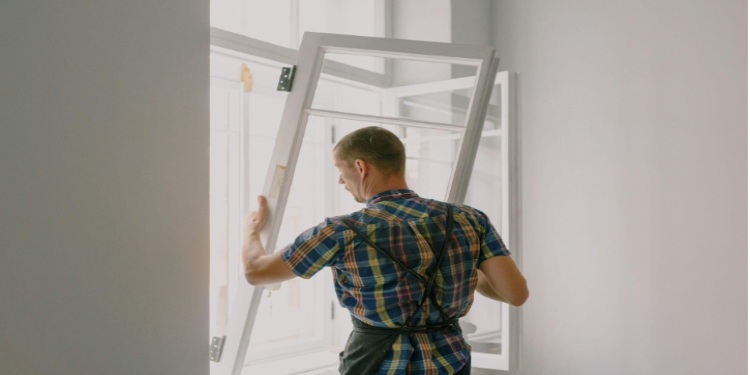
Regular maintenance is one of the most effective ways to extend the lifespan of glazed elements and to avoid unexpected repair costs. Whether it involves checking the condition of seals, replacing failed double-glazed units, cleaning and lubricating ironmongery, or addressing minor damage before it worsens, glazing maintenance with Mark Smith Glazing reassures property owners that their windows, doors, and other glazed features are being looked after by experienced professionals who understand what good condition actually looks like.
Before the Visit: What Information to Have Ready
Before a maintenance team arrives, it is helpful to have a basic understanding of the glazing installed in your property: the approximate age of the installation, the materials involved, any known issues, and any areas of concern you have noticed since the last inspection. If the property has had glazing replaced or repaired previously, keeping records of this work helps the maintenance team understand the installation history and identify whether previously addressed issues have recurred. Flagging any specific concerns in advance allows the team to arrive prepared with any parts or materials that are likely to be needed.


The Initial Inspection Process
A thorough maintenance visit begins with a systematic inspection of all glazed elements on the property. The team will work methodically through each window, door, and other glazed feature, assessing the condition of frames, seals, glazing units, hardware, and any associated components such as sills, lintels, and drainage channels. Notes are taken on any items requiring attention, with issues categorised according to urgency. Minor problems that can be addressed immediately will typically be dealt with on the spot; those requiring parts or more extensive work will be noted for a follow-up visit or quoted as a separate repair.
Common Issues Found During Glazing Inspections
Among the most commonly identified issues during glazing maintenance inspections are failed double glazed units, which show as misting or condensation between the panes; deteriorated or missing seals around frames and between glass and beading; stiff or non-functioning hardware including handles, hinges, and locking mechanisms; cracked or chipped glass; damaged or absent draught-proofing strips; and blocked or inadequate drainage channels at the base of frames. Each of these issues has a practical impact on the performance of the glazing and on the comfort and security of the property, making their identification and resolution a worthwhile investment.
Hardware Servicing and Adjustment
The ironmongery associated with windows and doors, including hinges, friction stays, handles, locks, and restrictors, requires periodic servicing to remain in good working order. Over time, hardware accumulates dirt and moisture, lubricants dry out, and components wear out, which can affect their function. A maintenance visit will include cleaning and lubricating all accessible hardware and adjusting components that have become misaligned. In cases where hardware has failed beyond repair, replacement parts can usually be sourced and fitted on a subsequent visit. Well-maintained hardware not only functions more smoothly but also enhances the installation’s security performance.
Dealing with Failed Sealed Units
Double glazed sealed units have a finite lifespan. When the perimeter seal fails, moisture enters the cavity between the panes, causing the characteristic misting that indicates the unit needs replacing. This is a common finding during glazing inspections, particularly in installations that are ten or more years old. Replacing a failed unit is typically straightforward for an experienced glazier: the beading is removed, the old unit taken out, and a new unit of the same specification installed in its place. The frame is retained, which means the cost is significantly lower than replacing the entire window. Addressing failed units promptly prevents further deterioration and restores the installation’s thermal and acoustic performance.
After the Visit: Records and Ongoing Maintenance
A professional glazing maintenance visit should conclude with a written record of the inspection findings, any work carried out during the visit, and recommendations for any further action required. This documentation is valuable both for property management purposes and as a reference for future inspections. It allows trends to be tracked over time, helps with budget planning for anticipated repairs, and provides a record that can be useful if the property is sold or if a warranty or insurance claim arises. Scheduling maintenance visits at regular intervals, typically annually for most residential properties and more frequently for commercial installations with higher use, ensures that glazing remains consistently well maintained throughout its working life.

David Prior
David Prior is the editor of Today News, responsible for the overall editorial strategy. He is an NCTJ-qualified journalist with over 20 years’ experience, and is also editor of the award-winning hyperlocal news title Altrincham Today. His LinkedIn profile is here.