




















































Ask most British families where they’d go for a UK holiday and Cornwall comes up almost immediately. It’s not just a gut feeling, either. The figures back it up consistently.
While coastal destinations all over the country compete for bookings, Cornwall keeps pulling ahead, and by a margin that’s hard to ignore. There are real structural reasons why this keeps happening, and they go well beyond pretty beaches.


What the Data Actually Shows
According to VisitBritain’s domestic tourism data, Cornwall and the Isles of Scilly recorded 24.9 million visits with a total expenditure of £874 million. VisitEngland data analysed by Statista found that between April 2021 and March 2023, Cornwall generated an average of £997 million annually in domestic holiday tourist spend, the highest of any local authority in England, with Westminster ranking second at £575 million.
Cornwall Opportunities, drawing on Cornwall Council and LEP figures, puts it plainly: over four million overnight stays happen in the county every year, supported by £2 billion in visitor spend annually. Tourism makes up 15% of the entire Cornish economy.
That’s not a tourism hotspot. That’s a tourism-dependent region that has managed to turn its geography into a permanent economic engine. For those looking to be part of that visitor economy, the demand for Cornwall cottages by the sea reflects exactly that, with self-catering remaining one of the county’s most resilient and sought-after accommodation types.
Why Cornwall Has a Structural Advantage Over Other Regions
Part of what makes Cornwall different is the sheer geographic range it offers. Its north coast faces the full force of the Atlantic, raw, exposed and surf-beaten, with Bude and Newquay as its calling cards.
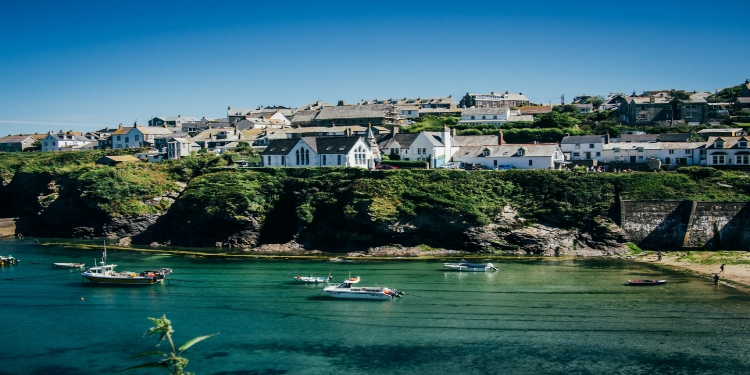
Its south coast runs from sheltered bays and river estuaries past Falmouth’s deep natural harbour, one of the largest in western Europe, all the way to the Lizard, the most southerly point of mainland Britain, and on to the dramatic Penwith Peninsula at Land’s End. Few UK regions can claim that kind of range, let alone the variety of microclimates and experiences that comes with it.
A surfer in Newquay, a walker on the South West Coast Path near Padstow, and a food tourist in the county’s harbourside restaurants are all having very different trips and all spending money in Cornwall.
The repeat visitor rate is another factor. Visit Cornwall has consistently reported that over 95% of visitors to the county have been before. That kind of loyalty is rare in domestic tourism and gives Cornwall a baseline of bookings that competitors simply don’t have.
Infrastructure That’s Built Around Visitors
Cornwall has invested heavily in the infrastructure that supports tourist volumes. The A30 remains the main artery into Cornwall, with the A38 providing an alternative route into the south-east of the county via the Tamar Bridge. During peak summer months both roads show the strain.
Despite the completion of the A30 dualling between Chiverton and Carland Cross in 2024, congestion around Bodmin and through mid-Cornwall remains a familiar sight in July and August. That pressure is real, but it also reflects the scale of demand that no other UK coastal region generates in the same way.
The county has a well-established short-let market, a dense network of holiday parks, and a food and drink scene anchored by names like Rick Stein and Paul Ainsworth that genuinely competes with city destinations. That combination of natural appeal and commercial infrastructure creates a self-reinforcing effect. More visitors mean more investment and more investment means more to attract visitors.
The Shift Towards Shoulder Season
One of the more telling changes in Cornwall’s tourism picture is what’s happening outside the peak summer window. Visit Cornwall’s own research found that 73% of visitors surveyed said they’d be interested in visiting Cornwall outside of July and August. That interest has translated into real booking patterns, with September and October increasingly holding their own against what used to be firmly off-peak months.
Cost is one driver. Shoulder-season prices for self-catering properties are considerably lower than peak, and with household budgets still stretched across the UK, that gap matters. Overcrowding is another.
The perception of Cornwall in August, queuing for parking in St Ives or waiting for a table in Padstow, has pushed a growing number of visitors to deliberately time their trips for May, June or September instead. A longer effective season means less pressure on infrastructure and steadier revenue for accommodation providers throughout the year.
The Key Takeaways
Cornwall’s dominance of domestic holiday bookings isn’t an accident. It’s the result of genuine geographic appeal, a loyal repeat visitor base, strong tourism infrastructure and a growing shoulder-season market. The numbers from VisitBritain and Cornwall Council make that clear.
Other UK regions have coastline and some have comparable scenery, but few have managed to build the same combination of brand identity, commercial infrastructure and visitor loyalty that keeps Cornwall at the top of the domestic booking charts, year after year.

David Prior
David Prior is the editor of Today News, responsible for the overall editorial strategy. He is an NCTJ-qualified journalist with over 20 years’ experience, and is also editor of the award-winning hyperlocal news title Altrincham Today. His LinkedIn profile is here.