






















































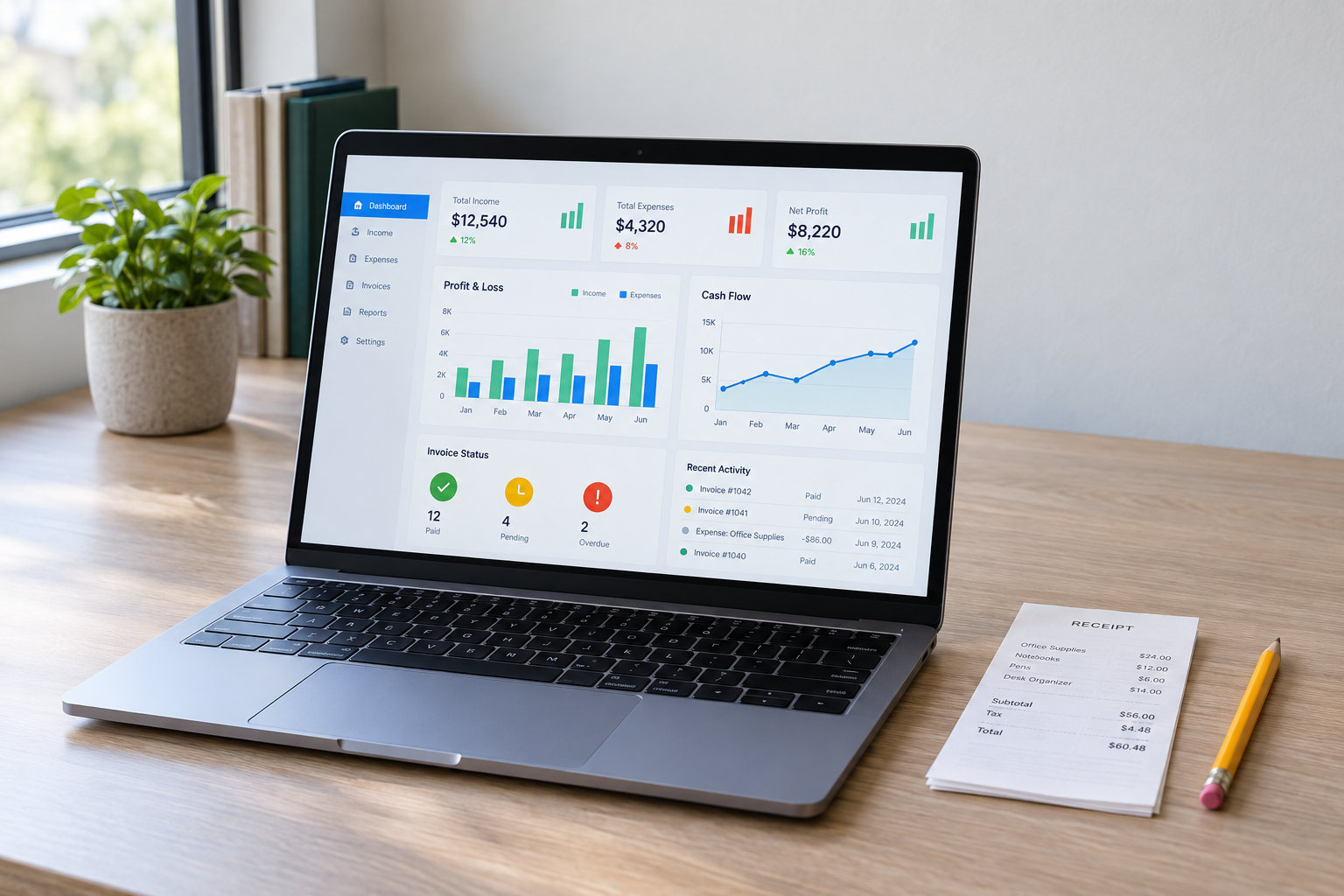
Understanding which features truly matter in small business accounting software can help ensure the right choice for efficient, accurate financial management. This article highlights specific aspects to consider, helping match your business’s unique requirements to available solutions.
Choosing the right accounting software can make a significant difference to your small business’s efficiency, accuracy, and peace of mind. Many business owners find themselves held back by manual processes, costly mistakes, or missed deadlines. Rather than selecting a platform based solely on name recognition, it is crucial to focus on features that directly address your workflow challenges, help maintain compliance, and provide real clarity on your finances. For anyone reviewing the best small business accounting software, taking stock of what counts for your specific needs is time well spent.


Core bookkeeping essentials
At the heart of any effective system lies its ability to keep your books tidy. Look for software that lets you set up and tailor a chart of accounts, connect to your bank feeds, and automate the matching of transactions. Reliable audit trails are important, ensuring every edit leaves a record for transparency and compliance. Clean records not only simplify management but can also make turning over your accounts to an external adviser much more straightforward.
Handling invoices and receivables
Getting paid promptly matters. A quality platform should enable you to create quotes, convert these into invoices, schedule recurring bills, and track payment status at a glance. Simple credit note processing and clear customer ledgers help with everyday queries and reduce confusion for both you and your clients.
Simplifying expenses and receipts
Paper receipts are easily lost, especially if you and your team are often on the move. Solutions that offer mobile capture allow expense records to be uploaded in real time. Automated categorisation rules keep costs organised, while mileage tracking and multi-layer approval flows make expense processing manageable even as your staff numbers grow.
Smart automation and error reduction
Automation is not only about saving time. With features such as transaction rules, templates, scheduled reminders, and reconciliation tools, you reduce the risk of human error and duplicated effort. Over time, this can help prevent costly mistakes and ensure your data reflects your actual cash position.
Insights, compliance, and practical fit
To support better decisions, look for dashboards that display profit and loss, cash flow status, and VAT positions in real time. Exportable and digital documentation simplifies both day-to-day management and year-end reporting, making tax and compliance easier to handle. Integrations with payroll, payment processors, ecommerce platforms, and CRM tools further support businesses as they scale, while permissions, multi-factor authentication, and backups protect sensitive data.
As you assess your options, consider practicalities such as the time and effort needed for implementation, migration of historical data, support quality, and any constraints on users, entities, or add-ons. These factors may be less obvious at first glance but are critical for avoiding surprises as your business develops.

David Prior
David Prior is the editor of Today News, responsible for the overall editorial strategy. He is an NCTJ-qualified journalist with over 20 years’ experience, and is also editor of the award-winning hyperlocal news title Altrincham Today. His LinkedIn profile is here.