
















































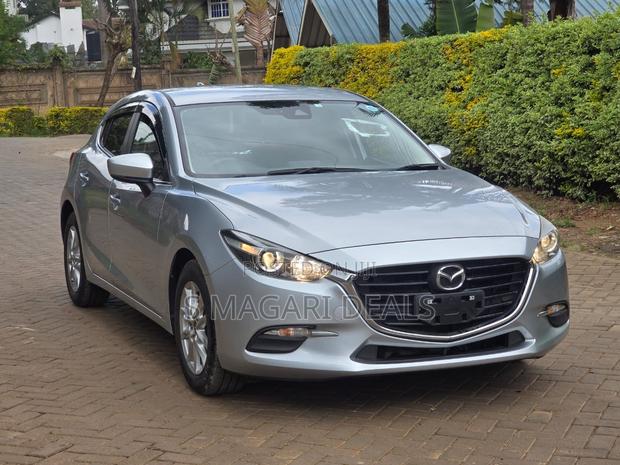
Walk through any busy car yard or residential estate and you will see plenty of Japanese imports in the compact class. Most buyers default to the familiar Toyota names, but a growing number are looking at something a little more stylish and enjoyable to drive. The Mazda Axela often comes up in that conversation. It promises sharp handling, a smart cabin and sensible running costs, yet it also has a few traits that matter on roads. This guide explains what the Axela is, which versions you are likely to find, how it compares with its rivals, and what to check before you hand over any money for a used example.
What exactly is the Mazda Axela?
The Axela is the name Mazda used in the Japanese home market for the car sold in most other countries as the Mazda3. Japan kept the Axela badge until around 2019, when the newer model took the Mazda3 name there too. Because so many Kenyan cars arrive as used imports from Japan, the Axela name is far more common locally than the international one, even though the cars are closely related.


You will find two main body styles. The hatchback, usually labelled Axela Sport, is the more common choice and suits drivers who want a compact footprint with a practical rear hatch. The sedan offers a separate boot and a slightly more formal look. The later generation, introduced from about 2013, uses Mazda’s Skyactiv engineering, a package of engine, gearbox and body changes aimed at better efficiency and a lighter structure.
Supply varies a lot from month to month, so it pays to look at the market before settling on a particular version. Scrolling through current listings for the Mazda Axela lets you compare cars by year, body style, engine size and mileage side by side, which quickly shows which combinations are easy to find and which ones are rare.
Engines and versions you are likely to see
Most Axelas imported into Kenya from the Skyactiv generation use a 1.5-litre petrol engine, which matches the engine-size preferences of many local buyers and keeps everyday running costs manageable. Larger petrol engines and diesel versions were also made, but they appear less often and may be harder to service outside major towns.
Mazda also sold a hybrid Axela in Japan, and a few have made their way into the import market. If you come across one, treat it as a specialist choice: ask a mechanic who knows the system to check it, and confirm that parts and hybrid battery support are available where you live before you commit.
Automatic gearboxes dominate the imported stock. Equipment levels differ between model years, so confirm the exact specification of the car you are viewing.
Why buyers like the Axela
- Handling: The Axela has a reputation for steering that feels precise and a chassis that stays composed through corners.
- Interior quality: The cabin, especially in the Skyactiv generation, feels well put together, with a clean dashboard layout and materials that look more upmarket than many rivals in the same class.
- Fuel economy: With the 1.5 petrol and sensible driving, the car is generally regarded as economical for its size. Real consumption depends heavily on traffic, driving style and the condition of the car.
- Styling: Many people simply prefer how it looks. The flowing lines of the later generation help it stand out in a sea of more conservative compact cars.
The trade-offs to consider
No car suits everyone, and the Axela has some honest drawbacks, particularly in Kenyan conditions.
- Low ground clearance: The Axela sits relatively low. Speed bumps, potholes, flooded sections and rough rural roads demand care, and the front lip and underbody can scrape if you are not careful. If you regularly drive on murram or poorly maintained roads, think hard about this.
- Rear space: Rear legroom and headroom are adequate rather than generous. Tall passengers may feel cramped on long journeys, and the hatchback’s boot is smaller than that of a station wagon.
- Parts lead times: Common service items are generally available, but some body panels, sensors and electronic components may need to be ordered, which can mean waiting longer than you would for the most popular Toyota models.
How it compares with popular rivals
The Axela competes with several cars that are well established in Kenya.
Toyota Axio and Fielder
The Axio sedan and Fielder wagon are known for durability, widely available parts and strong resale values. The Fielder in particular offers more load space. The Axela usually feels more engaging to drive and more stylish inside, while the Toyotas win on practicality and the sheer number of mechanics who know them well.
Honda Fit
The Fit is smaller and very easy to park, with a clever, flexible interior for its size. It is a strong city car. The Axela is a step up in size, refinement and comfort on longer highway trips.
Mazda Demio
The Demio is the Axela’s smaller sibling. It shares some of the same character but is better suited to town driving and tighter budgets. If you mostly drive alone or with one passenger, the Demio may be enough; for regular family use the Axela has more room.
Volkswagen Golf
The Golf is the classic European rival, with a solid feel and good refinement. It can, however, be more demanding to maintain locally, and specialist knowledge may be needed for some repairs. The Axela offers a similar premium feel with Japanese-style simplicity in day-to-day ownership.
What to check on a used Axela
Most Axelas in Kenya are used, either freshly imported or already registered locally. A careful inspection protects you from expensive surprises.
- Service history: Ask for records showing regular oil changes with the correct grade of oil. Skyactiv engines are well regarded but benefit from consistent maintenance.
- Suspension: Listen for knocks over bumps and check for uneven tyre wear. Kenyan roads are hard on bushes, mounts and shock absorbers, especially on a low car.
- CV joints: Drive slowly in tight circles in both directions and listen for clicking, which can point to worn joints or torn boots.
- Automatic gearbox: Gear changes should be smooth, without slipping, harsh jolts or hesitation when pulling away. Any warning lights deserve an explanation.
- i-stop and battery health: Many Axelas have Mazda’s i-stop system, which turns the engine off at standstill. It relies on a battery suited to stop-start use, so a weak or wrong battery can stop it working. Check whether the system operates and ask what battery is fitted.
- Infotainment: Japanese-market units may show menus in Japanese or have limited radio coverage in Kenya. Test the screen, controls, Bluetooth and reversing camera if fitted.
- Rust and body condition: Look underneath, around the wheel arches and along the sills. Check for paint mismatches or uneven panel gaps that suggest accident repairs.
Above all, arrange a pre-purchase inspection by a trusted, independent mechanic, ideally one familiar with Mazda models. Before paying anything, verify ownership and the vehicle’s registration details through an official search with the relevant authority, and make sure the name on the documents matches the seller.
If you are importing directly
Some buyers prefer to import an Axela themselves rather than buy one already in the country. Imported vehicles must meet age limits, inspection and other requirements, and the rules can change. Confirm the current requirements with the relevant authorities and a reputable clearing agent before you commit, and factor the full landed cost into your comparison with locally available cars.
Running costs in plain terms
Day to day, the Axela is generally a moderate car to own. Fuel use is reasonable for its class, routine servicing is straightforward for a mechanic used to modern Japanese cars, and consumables such as filters, brake pads and tyres are not unusual. Costs rise when suspension parts wear out on rough roads, when a stop-start battery needs replacing, or when you need a less common part ordered in. Insurance depends on the car’s value, your driving record and the cover you choose, so get quotes for the specific car before you buy.
Who is the Axela best for?
The Axela suits drivers who spend most of their time on tarmac, enjoy a car that feels lively and well built, and want reasonable economy without driving something purely utilitarian. Young professionals, couples and small families who mostly travel within and between towns tend to get the most from it. If you regularly carry tall passengers, drive on rough rural roads or need maximum luggage space, a higher or larger car may serve you better.
The bottom line
The Mazda Axela is a stylish, well-made compact car that rewards drivers who value handling and a quality cabin, and it can be economical with the common 1.5 petrol engine. Its low ride height, modest rear space and occasional parts waits are real trade-offs on Kenyan roads. Choose your body style and engine to match your daily routine, insist on a full inspection and service history, verify ownership officially before paying, and you stand a good chance of owning a compact car that is both sensible and enjoyable.