




















































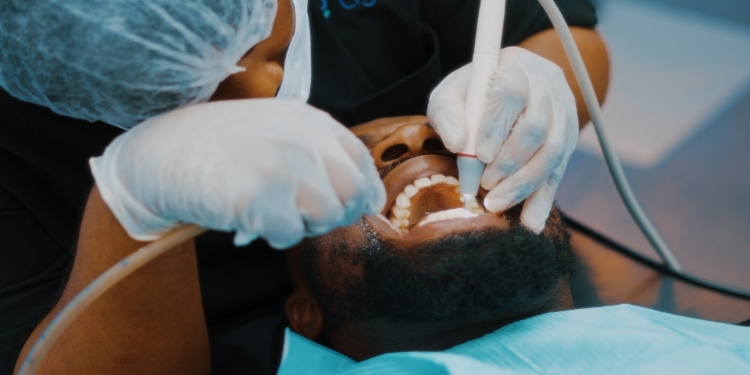
Preventive dentistry serves as a core principle in modern oral healthcare by focusing on minimising risks before dental problems arise. Early identification and intervention reduce the likelihood of discomfort, complications, and extensive treatments. This approach helps preserve tooth structure, maintain oral function, and supports long-term oral health for individuals of all ages.
Dentists today concentrate on detecting and preventing dental disease, understanding that regular examinations can interrupt the progress of dental issues that may not yet show symptoms. Emergency dental services, including Saffron Walden emergency dentists, are essential when urgent matters occur, as timely intervention can limit further damage and discomfort. Incorporating preventive strategies makes it more likely that patients avoid emergency appointments and maintain healthier teeth and gums.


Core elements of effective preventive dental care
Regular dental check-ups are fundamental to preventive dentistry, keeping you informed about your oral health. During these visits, dentists observe any changes, enabling them to identify signs of concern like early tooth decay or gum inflammation.
Professional cleaning is another vital component, removing tartar and plaque that cannot be fully managed by daily brushing. Personalised risk assessment enables dental professionals to provide advice suited to each patient’s needs, genetics, and habits. This tailoring of guidance empowers informed choices for daily oral care.
Fluoride applications and dental sealants represent additional preventive measures that strengthen teeth against decay. Fluoride treatments help remineralise weakened enamel, making teeth more resistant to acid attacks from bacteria and dietary sources. Sealants provide a protective barrier over the chewing surfaces of back teeth, where deep grooves and pits can trap food particles and bacteria. These interventions are particularly beneficial for children and adolescents, though adults with increased cavity risk can also benefit from these protective treatments as part of a comprehensive preventive strategy.
Importance of early detection and close monitoring
Various diagnostic tools help dentists identify issues such as enamel wear, hairline cracks, and early gum disease before they lead to more serious problems. X-rays and visual assessments work together to detect conditions that may be missed during a routine examination.
Gum disease is often without obvious symptoms in its early stages. Prompt recognition and response can slow or halt its advance, safeguarding the supporting tissues and bone. Close monitoring helps both patients and dental professionals take effective action before conditions escalate.
Daily habits and practical approaches for prevention
Brushing with fluoride toothpaste strengthens enamel against acids in food and drinks, reducing the risk of decay. Interdental cleaning, with floss or brushes, removes plaque from areas a toothbrush cannot reach.
Dietary choices also influence oral health; reducing intake of sugary foods and acidic drinks assists in preventing cavities. Dental professionals may recommend adjustments to home care routines, while practices such as targeted fluoride treatments or fissure sealants add protection to vulnerable areas. Early support measures like desensitisation or remineralisation are provided when increased risk is observed.
Targeted strategies and common misconceptions addressed
Individuals with higher vulnerability, including those with dry mouth, teeth grinding habits, who smoke, wear braces, or have a history of decay or gum disease, benefit from customised prevention plans and more frequent monitoring. These targeted strategies help minimise the risk of emergencies and future complications.
Common myths, such as the belief that no pain indicates dental health, or that professional cleaning damages teeth, can interfere with effective care. Dental professionals play an important role in correcting misconceptions and clarifying the benefits of early, regular prevention.
Reducing urgent dental problems and supporting long-term health
Emphasising preventive dentistry lessens the likelihood of experiencing urgent problems like severe pain, swelling, sudden sensitivity, or fractured teeth. Frequently, urgent dental issues develop when minor symptoms are unnoticed or left untreated, eventually requiring more comprehensive intervention.
Continuing regular dental visits ensures that emerging concerns are managed at an early stage. In situations where tooth loss does happen, restorative solutions such as dental implants Weybridge may be part of ongoing dental care to help restore oral function and quality of life. Preventive methods remain fundamental to current best practice in oral health, giving individuals the best opportunity to maintain strong teeth and healthy gums for the long term.

David Prior
David Prior is the editor of Today News, responsible for the overall editorial strategy. He is an NCTJ-qualified journalist with over 20 years’ experience, and is also editor of the award-winning hyperlocal news title Altrincham Today. His LinkedIn profile is here.