





















































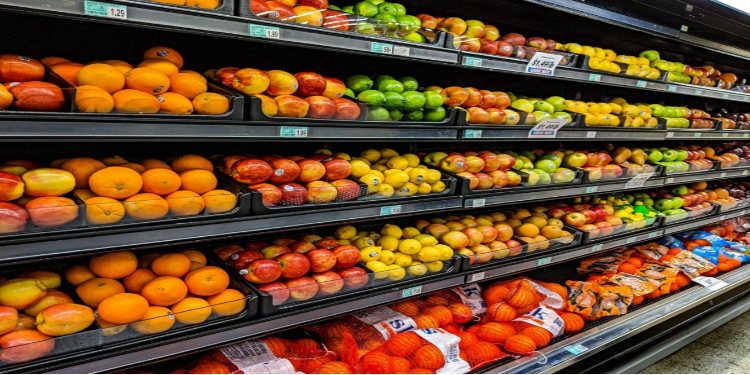
The transport of fresh fruit and vegetables demands specialist handling, precise temperature management, and a logistics partner with a genuine understanding of the specific requirements of fresh produce, and businesses across the UK supply chain work with experienced cold chain operators like Run It Cool to ensure that their produce arrives at its destination in peak condition and ready for sale or use. Getting the transport conditions right is one of the most significant factors determining the shelf life and commercial value of fresh produce on arrival.
The Unique Challenges of Fresh Produce Logistics
Fresh fruit and vegetables are living biological systems that continue to respire after harvest, consuming oxygen and producing carbon dioxide, ethylene, and heat as they do so. Managing these biological processes during transport requires careful attention to temperature, humidity, ventilation, and the avoidance of physical damage that accelerates deterioration. Different produce types have significantly different requirements: tropical fruits such as bananas and mangoes are susceptible to chilling injury at temperatures below around 12 degrees Celsius, while leafy vegetables and soft fruits need to be kept close to 0 degrees to slow respiration and maintain freshness. A logistics partner with specialist knowledge of fresh produce handling will be equipped to manage these varied requirements across different product types and delivery routes.


The Financial Impact of Poor Produce Transport
The financial consequences of poor fresh produce transport can be severe. Produce that arrives at its destination with visible deterioration, off-flavours, physical damage, or a shortened remaining shelf life may be rejected entirely by the customer, sold at a reduced price, or generate customer complaints that damage the commercial relationship over time. In a supply chain where margins are typically tight and competition from both domestic and international producers is intense, avoidable transport losses represent a direct erosion of profitability. Beyond the immediate cost of rejected or discounted produce, reputational damage from repeated quality failures can be difficult and slow to repair. The cost of investing in quality specialist transport is almost invariably lower than the cumulative cost of the quality losses and commercial consequences that inadequate transport conditions can produce.
Temperature Management for Different Produce Categories
Effective temperature management for fresh produce transport requires knowledge of the specific requirements of each product category being carried. Root vegetables such as carrots and potatoes can tolerate a wider temperature range than soft fruits and salad leaves, which need consistent cold temperatures and high humidity to prevent wilting and weight loss. Stone fruits and berries are particularly susceptible to physical damage during loading and unloading and require careful handling in addition to temperature control. Exotic and tropical produce often requires warmer transport temperatures than conventional UK produce and must be segregated from ethylene-sensitive items to prevent premature ripening. A specialist fresh produce courier with experience across a wide range of product types will be able to advise on the optimal transport conditions for each consignment and configure the vehicle and packaging accordingly.
Traceability and Documentation in Fresh Produce Supply Chains
Traceability is a fundamental requirement in the UK fresh produce supply chain, both as a regulatory obligation under food safety legislation and as a commercial expectation of major retail and food service customers. The ability to trace a batch of produce from its origin through every stage of the supply chain to the point of sale or use is essential for managing food safety incidents effectively and for demonstrating compliance with the due diligence requirements of food safety law. A logistics partner that provides robust delivery documentation, including time-stamped proof of delivery, temperature records, and vehicle and driver details, contributes to the traceability chain and provides the food business with the evidence it needs to demonstrate that the transport stage of the supply chain was managed correctly.
Supporting Local and Regional Produce Distribution
The growth of direct-to-consumer and direct-to-trade models in the UK fresh produce sector has created demand for small-scale, flexible distribution services that can support local and regional producers in reaching customers beyond their immediate geographic area. Farm shops, box scheme operators, farmers market suppliers, and artisan food producers who have outgrown self-delivery but do not have volumes large enough to justify engagement with major pallet network operators need access to a flexible, reliable cold chain courier that can handle consignments of varying sizes efficiently and cost-effectively. A specialist fresh produce courier operating across a defined regional territory can provide this flexibility while maintaining the temperature standards and service quality that more generic courier services cannot always guarantee for temperature-sensitive perishable goods.
Building a Reliable Fresh Produce Logistics Partnership
The most effective fresh produce logistics arrangements are built on a close working relationship between the producer or distributor and the transport provider, with clear communication about product specifications, volume forecasts, delivery windows, and any special handling requirements for particular product lines. A logistics partner who takes time to understand the specific requirements of the produce being carried, rather than treating fresh fruit and vegetables as interchangeable with general ambient freight, will consistently deliver better results in terms of produce condition on arrival and customer satisfaction. Regular review meetings, transparent reporting of any temperature excursions or delivery issues, and a willingness to adapt the service as the food producer’s business requirements evolve are hallmarks of a logistics partnership that adds genuine value to the supply chain.

David Prior
David Prior is the editor of Today News, responsible for the overall editorial strategy. He is an NCTJ-qualified journalist with over 20 years’ experience, and is also editor of the award-winning hyperlocal news title Altrincham Today. His LinkedIn profile is here.