



















































Enrolling in a professional cookery school brings structure, discipline, and practical kitchen experience to culinary training. In cities like London, where culinary traditions run deep, students learn more than recipes, since lessons cover preparation, hygiene, timing, presentation, and teamwork. Each day combines demonstration with supervised practice, helping learners build reliable habits.
Course length, teaching style, assessment methods, and career support differ widely. Choosing the right cookery school requires careful research so applicants can find a program that matches their skills, schedule, budget, and future ambitions in food service. Here is what students can typically expect once they enroll.


Choosing the Right Program
Before choosing a professional pathway, applicants should compare subjects, duration, teaching hours, campus location, and entry requirements. A cookery school may list short courses, certificates, diplomas, degrees, and specialist options covering cuisine, pastry, bakery, plant-based food, wine, or management. Reviewing each course outline helps learners identify suitable training rather than selecting a program based on reputation alone.
Expecting Practical Kitchen Training
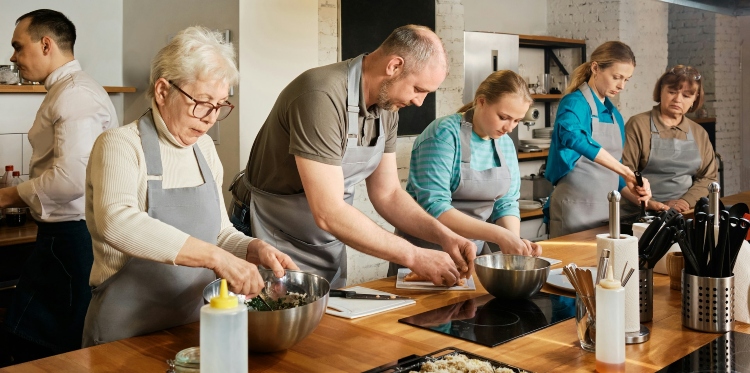
Professional classes usually place practical work at the center of learning. Students prepare ingredients, practice knife cuts, follow cooking methods, and produce finished dishes under guidance. Demonstrations show correct technique before learners repeat each process at their own stations. Regular repetition improves speed and control. Mistakes become useful feedback, especially when tutors explain how temperature, texture, seasoning, and timing affect the final result.
Learning Kitchen Standards
Cleanliness and organization receive serious attention in a professional setting. Learners practice safe food storage, handwashing, equipment care, and workstation preparation in line with established food safety standards safe food storage, handwashing, equipment care, and workstation preparation. They also learn how poor hygiene can affect customers, colleagues, and business operations. A tidy station supports faster service and reduces avoidable errors. These habits apply across restaurants, hotels, catering companies, bakeries, and other commercial kitchens.
Building Technical Skills
Lessons often begin with core methods before moving into more demanding preparations. Stocks, sauces, doughs, forcemeats, roasting, baking, and diverse cuts can form part of foundational study. Each technique requires accurate measurements and careful observation. As confidence grows, students may combine several methods within one dish. Tutors can then assess consistency, flavor balance, appearance, and portion control.
Managing Intensive Timetables
Course schedules may require a strong personal commitment. The inspected program information states that intensive formats can run up to six days weekly, with six to nine hours of classes each day. Such demands leave limited time for travel, rest, and independent practice. Applicants should review start dates, attendance rules, daily hours, and transport arrangements before accepting a place.
Receiving Tutor Feedback
Professional training includes regular correction from experienced instructors. Feedback may address posture, knife handling, heat control, preparation order, cleanliness, or plating. Students benefit most when they listen carefully, ask precise questions, and apply advice during the next task. Constructive comments can feel demanding, yet they create measurable progress. A learner’s response to correction often reveals professional readiness.
Working With Other Learners
Commercial kitchens depend on cooperation, clear communication, and shared responsibility. Group tasks teach students how to divide preparation, manage equipment, and maintain service standards. Different backgrounds may introduce new tastes, methods, and viewpoints. Respectful teamwork helps each person contribute without losing individual accountability. Learners also practice working calmly when several tasks require attention at the same time.
Completing Assessments
Assessment methods vary by program, although practical performance commonly carries significant weight. Students may complete timed dishes, technique tests, written work, or service-based tasks. Clear criteria help learners track progress across flavor, presentation, hygiene, organization, and consistency. Preparation should include practice under realistic time limits. Strong results depend on repeatable performance rather than one successful attempt.
Exploring Career Preparation
Some programs include guidance related to employment, industry placement, business operations, or further study. Applicants should check whether these features appear in the published course information. Career preparation can cover menu planning, purchasing, costing, customer service, and workplace conduct. Such knowledge supports cooks who later seek positions in restaurants, hospitality groups, private kitchens, food businesses, or culinary education.
Planning Costs and Daily Needs
Tuition represents only one part of the financial commitment. Students may also need uniforms, knives, ingredients, travel, accommodation, insurance, and personal equipment. International applicants should check visa conditions, payment deadlines, and local living costs. A written budget provides a clearer view of total spending. Comparing funding options early can prevent avoidable pressure during training.
Preparing Before Classes Begin
Useful preparation starts before the first lesson. Applicants can revise basic food safety, practice simple knife cuts, and become familiar with common culinary terms. Comfortable shoes, suitable clothing, and organized study materials support long practical sessions. Rest also matters, since concentration affects accuracy and safety. A calm first week gives learners more capacity to absorb new information.
Conclusion
Professional cookery training demands time, focus, and consistent practice, yet it offers a clear route for developing kitchen ability. Students can expect demonstrations, hands-on tasks, feedback, assessments, and teamwork within a structured setting. Course research remains essential because programs differ in content, pace, cost, and career support. Applicants who compare these details carefully can enter training with realistic expectations and a stronger plan for future culinary work.

David Prior
David Prior is the editor of Today News, responsible for the overall editorial strategy. He is an NCTJ-qualified journalist with over 20 years’ experience, and is also editor of the award-winning hyperlocal news title Altrincham Today. His LinkedIn profile is here.