

















































The experience economy isn’t new. In 1998, business thinkers B. Joseph Pine II and James H. Gilmore argued that memorable experiences would become a distinct form of economic value. Their prediction now feels familiar. Consumers increasingly judge a purchase by the story, emotion and social connection surrounding it, not simply by the product or service delivered.
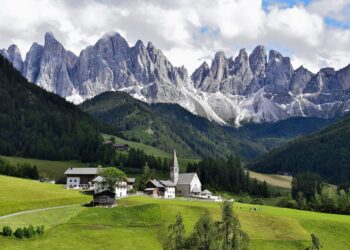
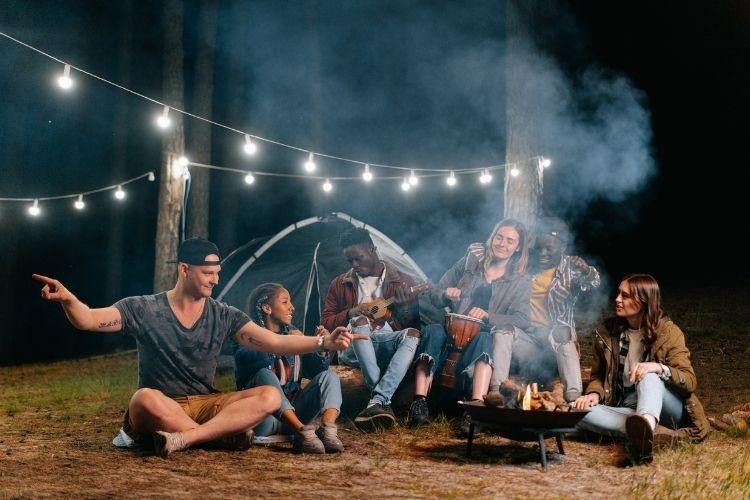
What has changed is the setting. Experiences once associated mainly with theatres, restaurants and shopping centres are moving into parks, fields, coastlines, campsites and town squares. Outdoor cinemas, food festivals, guided walks, fitness classes and short camping trips reflect the same shift: people want leisure that feels participatory, flexible and worth remembering.


Outdoor Spaces Make Experiences More Distinctive
Pine and Gilmore wrote that, “As goods and services become commoditised, the customer experiences that companies create will matter most.” Outdoor settings help create that distinction because they are harder to standardise. Weather, landscape, light and the presence of other people make each visit slightly different.
The equipment around an activity also matters, although it should support rather than dominate the occasion. Specialist retailers such as ozzigear.com reflect the practical side of the trend. Portable seating, weatherproof layers and compact cooking equipment can make a festival, campsite, picnic or day beside a sports pitch more comfortable.
In the experience economy, products often act as enablers. A chair is not the memory, just as a tent is not the holiday. Their value comes from removing friction around the events people care about.
Outdoor Leisure Offers What Screens Cannot
Digital entertainment has made leisure more convenient, but convenience does not always produce a strong memory. Outdoor experiences engage several senses at once and create moments that cannot be paused, replayed or perfectly controlled.
A sunset during a concert, a wildlife sighting on a walk or a conversation with strangers at a food market can shape the way an event is remembered. These details are difficult to manufacture indoors and almost impossible to reproduce through a screen.
Technology still plays a role. People discover routes, book tickets and coordinate with friends online. Successful outdoor operators use it to remove administrative barriers without letting it overwhelm the occasion.
The UK Data Shows Strong Demand for Time Outside
Official figures suggest that outdoor participation is already part of everyday life. Natural England’s People and Nature Survey found that 66% of adults in England had visited a green or natural space in the previous 14 days during the year to March 2025. It estimated roughly 3.9 billion visits across the year, while 68% said they spent time in green and natural spaces at least weekly.
Sport England’s latest Active Lives results point in the same direction. Walking for leisure remained the country’s most popular physical activity, with around 22.9 million adults taking part in the year to November 2025. Participation has risen by 4.6 million since 2015–16.
Not every walk is a commercial experience. The figures do show that outdoor time has a vast, established audience. Organisations are building on behaviour that already exists.
Outdoor Experiences Spread Spending Across Places
The economic effect reaches beyond ticket sales. Outdoor events can direct spending towards transport, accommodation, cafés, pubs, independent shops and local suppliers.
UK Music reported that 23.5 million music tourists attended concerts and festivals in the UK in 2024, spending £10 billion directly and through the wider supply chain. Its research estimated that this activity supported 72,000 full-time-equivalent jobs. These are industry figures and should be read with that context in mind, but they show how a temporary event can generate business beyond its gates.
Domestic tourism provides a broader picture. According to the House of Commons Library, British residents made 105.6 million overnight visits within Great Britain in 2024 and one billion tourism day visits. Day visitors spent £54.8 billion. Beaches, countryside, heritage sites and public events help distribute some of that spending beyond major city centres.
Flexibility Matters in a Cost-Conscious Market
Outdoor leisure can suit consumers who want a change of scene without committing to a long or expensive trip. A local trail, community festival or afternoon event may avoid the cost of flights or several nights of accommodation.
Recent tourism data shows why value matters. VisitBritain reported that domestic overnight trips and tourism day visits in England both rose by 5% year on year in the final quarter of 2025, while total domestic tourism spending remained level. Average spending per overnight trip fell by 8%. People were still travelling, but they were watching what they spent.
This favours shorter, modular experiences. Visitors might attend one day of a festival, combine a walk with lunch in a nearby town or turn a sporting event into a modest weekend break.
Growth Comes With Real Limits
The outdoor economy is not an uncomplicated success story. Weather remains a practical barrier. In Natural England’s 2023–24 survey, 43% of people who spent less free time outside cited poor weather as a reason.
Access is uneven, too. Sport England found that 53.8% of adults from the least affluent backgrounds met recommended activity levels, compared with 73.2% among the most affluent. Disabled people, some ethnic groups and residents of deprived areas also recorded lower participation. Transport, equipment costs, safety, physical access and the quality of local green space all affect who takes part.
Popular places can also face litter, noise, damaged paths and traffic. Growth, therefore, needs management, not simply promotion.
What the Next Phase Should Look Like
The strongest outdoor experiences will be designed around inclusion and local value. Organisers can provide clear access information, sheltered areas, drinking water, public transport guidance and different price points. Councils can protect green spaces while making them easier to reach. Businesses can work with local suppliers.
Comfort deserves attention, too. People are more likely to remain at an event when they can rest, find shade, use clean facilities and understand what to expect. These ordinary details often decide whether an experience feels welcoming or exhausting.
Outdoor leisure succeeds when it respects the place hosting it. A field, beach or park is not an empty venue. It has an ecosystem, a community and limits.
Conclusion
The experience economy is moving outdoors because consumers want leisure that feels social, memorable and connected to place. Britain already has the audience, from millions of leisure walkers to domestic tourists and festival-goers.
The opportunity is substantial, but it depends on sensible pricing, good infrastructure, inclusive design and environmental care. When those elements work together, the outdoors becomes more than a backdrop. It becomes part of the value people remember.
References
- Pine, B. Joseph II, and James H. Gilmore. “Welcome to the Experience Economy.” Harvard Business Review, July–August 1998.
- Natural England. Adults’ People and Nature Survey, Year 5, April 2024 to March 2025.
- Sport England. Active Lives Adult Survey, November 2024 to November 2025.
- UK Music. Hometown Glory, 2025, reporting on 2024 music tourism.
- House of Commons Library. “Tourism: Statistics and Policy,” February 2026.
- VisitBritain. Domestic Tourism: Latest Results, released June 2026.