


















































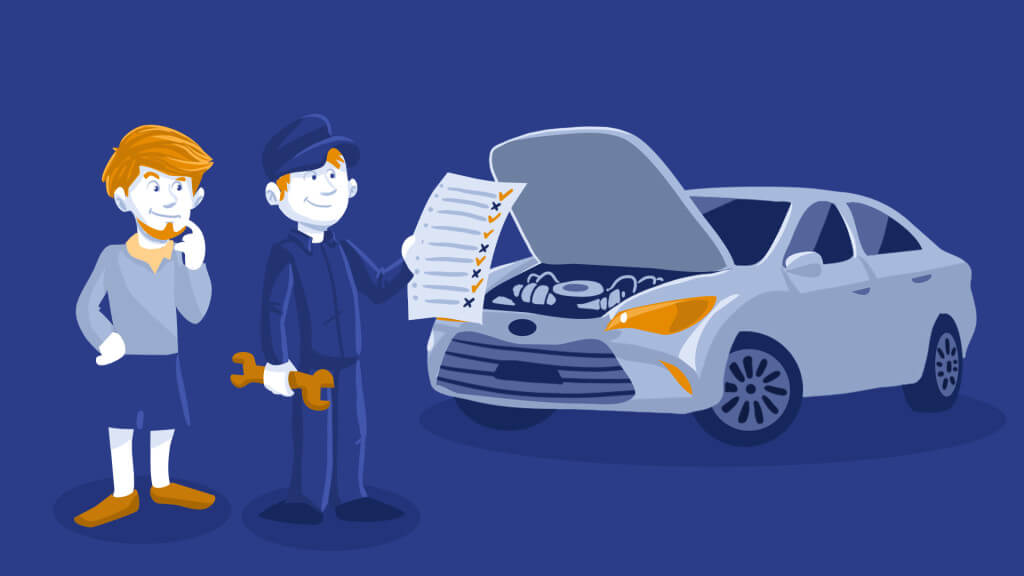
Purchasing a used vehicle can be a smart financial decision, offering excellent value while providing many of the same features found in newer models. However, unlike buying a brand-new car, purchasing a pre-owned vehicle requires careful evaluation to ensure you’re making a reliable investment. Taking the time to inspect the vehicle thoroughly can help you avoid unexpected repair costs and enjoy greater confidence in your purchase. Whether you’re searching online or visiting dealerships that offer used cars for sale Albuquerque, NM, knowing what to inspect before signing any paperwork is essential. A detailed inspection not only protects your investment but also helps you choose a vehicle that fits your needs for years to come.
Why a Thorough Inspection Is Important
Every used vehicle has its own history. Some have been meticulously maintained, while others may have experienced accidents, inconsistent servicing, or excessive wear. Even vehicles that appear attractive on the outside can hide mechanical or cosmetic issues.


A careful inspection helps identify potential concerns before they become expensive problems. It also gives buyers a better understanding of the vehicle’s overall condition, allowing them to compare different options with greater confidence.
Rather than making a decision based solely on appearance or price, smart buyers evaluate every important aspect of the vehicle before completing the purchase.
Examine the Vehicle’s Exterior Condition
The first inspection begins with the exterior. While minor scratches and small cosmetic imperfections are common, buyers should look for signs that may indicate previous damage or poor repairs.
Walk around the entire vehicle and inspect the body panels from multiple angles. Uneven gaps between panels, mismatched paint colors, or areas with overspray may suggest previous collision repairs.
Check the bumpers, hood, roof, doors, and trunk for dents, rust, or corrosion. Surface rust can often be repaired, but significant corrosion may indicate long-term structural issues.
Glass should also be examined carefully for chips, cracks, or poorly installed replacements that may require future attention.
Inspect the Tires Carefully
Tires provide valuable clues about how well a vehicle has been maintained.
Pay attention to:
- Tread depth and overall tire condition
- Evenness of tire wear across all four tires
- Matching tire brands and sizes
Uneven wear patterns may indicate alignment problems, suspension issues, or improper maintenance. Replacing a full set of tires can also add significant cost shortly after purchase, making tire condition an important consideration.
Look Under the Hood
Even buyers without extensive mechanical knowledge can perform a basic engine compartment inspection.
Check for obvious fluid leaks, damaged hoses, cracked belts, or excessive corrosion around the battery terminals. Engine components should appear reasonably clean without signs of neglect or major oil buildup.
Inspect fluid levels when possible, including engine oil, coolant, brake fluid, and windshield washer fluid. Extremely dirty oil or unusually low fluid levels could suggest poor maintenance habits.
While appearance alone cannot determine engine health, obvious warning signs deserve further investigation.
Review Maintenance Records
One of the most valuable resources when purchasing a used vehicle is its maintenance history.
Regular oil changes, scheduled inspections, brake service, and manufacturer-recommended maintenance indicate that previous owners likely cared for the vehicle responsibly.
Ask whether service records are available and review them carefully. Consistent maintenance often contributes to longer vehicle life and fewer unexpected repairs after purchase.
Documentation also helps verify that major services have been completed according to manufacturer recommendations.
Check the Vehicle History Report
A vehicle history report provides useful information about ownership and previous events that may not be immediately visible during an inspection.
These reports often include accident history, title information, odometer readings, service records, and ownership history. They may also identify whether the vehicle has been declared a total loss, experienced flood damage, or carried a salvage title.
Reviewing this information helps buyers better understand the vehicle’s background before making a final decision.
Inspect the Interior Thoroughly
A clean interior reflects more than appearance—it often indicates how carefully the vehicle has been maintained overall.
Examine seats, carpeting, dashboard surfaces, door panels, and headliners for excessive wear, stains, odors, or water damage. Persistent musty smells may suggest previous flooding or water leaks.
Test seat adjustments, seat belts, windows, door locks, mirrors, and interior lighting to ensure everything functions correctly.
Comfort and convenience features should also operate smoothly without unusual noises or delays.
Test Every Electronic Feature
Modern vehicles rely heavily on electronic systems, making it important to verify that everything works properly before purchase.
Take time to test:
- Infotainment system and touchscreen controls
- Climate control and air conditioning
- Backup camera and parking sensors
Also check smartphone connectivity, USB ports, navigation functions, power outlets, windshield wipers, headlights, brake lights, and turn signals.
Repairing electronic components can sometimes be expensive, making this inspection especially worthwhile.
Pay Attention During the Test Drive
A thorough test drive remains one of the most important parts of evaluating any used vehicle.
Drive on both city streets and highways whenever possible. Listen for unusual engine noises, suspension sounds, or vibrations that could indicate mechanical issues.
Evaluate steering response, braking performance, acceleration, transmission shifting, and overall ride quality. The vehicle should drive smoothly without pulling to one side or producing excessive noise.
Testing the vehicle under different driving conditions provides valuable insight into its real-world performance.
Check the Braking System
Reliable brakes are essential for safe driving. During the test drive, pay close attention to how the braking system performs.
The brake pedal should feel firm and responsive without excessive travel. Listen for grinding, squealing, or vibration during braking, as these may indicate worn brake pads or damaged rotors.
If possible, visually inspect brake components through the wheels for excessive rust or obvious wear.
Proper brake performance contributes directly to vehicle safety and should never be overlooked.
Evaluate Suspension and Steering
The suspension system affects ride comfort, handling, and tire wear.
While driving, notice whether the vehicle absorbs bumps smoothly or feels unusually harsh. Excessive bouncing, clunking noises, or unstable handling may indicate worn suspension components.
The steering wheel should respond smoothly without excessive looseness or vibration. A properly functioning steering system improves both safety and overall driving confidence.
Verify Warning Lights
Before starting the engine, observe the dashboard as warning lights illuminate briefly. Most lights should turn off after the engine starts.
If the check engine light, ABS warning, airbag indicator, or other warning lights remain illuminated, additional diagnosis may be necessary.
Ignoring dashboard warnings could result in expensive repairs after purchase.
Always ask about any warning lights that remain active during the inspection.
Consider Fuel Efficiency and Ownership Costs
The purchase price is only one part of overall vehicle ownership. Buyers should also consider long-term operating expenses before making a decision.
Factors such as fuel economy, insurance costs, maintenance requirements, replacement parts availability, and expected repair expenses all influence total ownership costs.
Choosing a vehicle that balances affordability with reliability often provides greater long-term value than simply selecting the lowest-priced option.
Arrange a Professional Inspection
Even experienced buyers benefit from having a qualified mechanic inspect the vehicle before completing the purchase.
A professional inspection can identify mechanical concerns that may not be obvious during a visual examination or test drive. Mechanics often evaluate engine performance, suspension components, brakes, exhaust systems, fluid leaks, and structural condition more thoroughly.
The relatively small cost of an inspection may help prevent significantly larger repair expenses later.
Compare Multiple Vehicles Before Deciding
Avoid feeling pressured to purchase the first vehicle you inspect. Comparing several options provides a better understanding of market value, condition, available features, and pricing.
Take notes during each inspection so you can compare strengths and weaknesses objectively. A patient approach often leads to a better overall purchase decision.
Finding the right vehicle is usually worth taking the extra time.
Conclusion
Purchasing a used vehicle is an important investment, and a careful inspection is one of the best ways to protect that investment. By examining the exterior, tires, engine compartment, maintenance history, interior, electronics, brakes, suspension, and overall driving performance, buyers can make informed decisions with greater confidence. Reviewing vehicle history reports, considering long-term ownership costs, and arranging a professional inspection further reduce the risk of unexpected surprises after purchase. Instead of focusing solely on price or appearance, taking a comprehensive approach allows buyers to select a dependable used vehicle that offers lasting value, reliability, and peace of mind for many miles to come.