



















































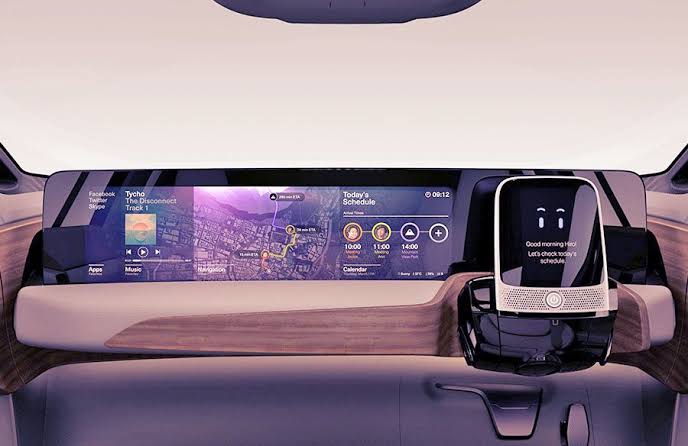
Modern vehicles have evolved far beyond simply providing transportation from one destination to another. Today’s drivers expect their cars to offer convenience, connectivity, entertainment, and access to information while maintaining a safe and comfortable driving experience. One of the biggest innovations supporting these expectations is the infotainment system. These integrated platforms combine communication, navigation, media, and vehicle controls into a single interface, making everyday driving more efficient and enjoyable. Whether shopping for a family SUV, pickup truck, or sedan, visitors exploring a Chrysler dealership San Antonio, TX will find modern vehicles equipped with infotainment systems designed to simplify daily travel while keeping drivers connected.
What Is an Infotainment System?
An infotainment system is the central digital hub inside a modern vehicle. It combines entertainment features with practical driving tools, allowing drivers and passengers to access important functions through a touchscreen, voice commands, steering-wheel controls, or physical buttons.


Unlike older vehicle radios that focused only on music playback, today’s infotainment systems manage navigation, smartphone connectivity, vehicle settings, communication, and even certain safety features. As automotive technology continues to evolve, these systems have become one of the most influential factors buyers consider when choosing a new vehicle.
Why Infotainment Systems Have Become Essential
Drivers now rely on technology throughout their daily routines, and they expect the same convenience inside their vehicles. Infotainment systems reduce the need to use separate devices by integrating multiple functions into one easy-to-use platform.
Instead of switching between a phone, navigation device, and audio controls, drivers can manage everything through a single interface. This streamlined approach improves convenience while helping drivers remain more focused on the road.
As technology becomes increasingly integrated into everyday life, infotainment systems continue to play a central role in the overall driving experience.
Smartphone Integration Keeps Drivers Connected
One of the most popular infotainment features is seamless smartphone integration. Modern systems support platforms such as Apple CarPlay and Android Auto, allowing drivers to safely access many smartphone functions through the vehicle’s display.
With smartphone integration, drivers can:
- Make hands-free phone calls
- Send or receive voice-controlled messages
- Access compatible navigation and music apps
Because these features rely primarily on voice commands or simplified touchscreen controls, drivers can stay connected while minimizing unnecessary distractions.
Navigation Makes Every Journey Easier
Built-in navigation and connected mapping services have transformed the way people travel. Instead of relying on printed maps or separate GPS devices, drivers can receive real-time directions directly through the infotainment system.
Many systems provide live traffic updates, alternate route suggestions, estimated arrival times, and nearby points of interest. Some also alert drivers about road closures, accidents, or construction zones, helping reduce delays and improve travel efficiency.
Reliable navigation contributes to a more relaxed driving experience, particularly when visiting unfamiliar locations.
Entertainment for Every Passenger
Infotainment systems are designed to make every trip more enjoyable, whether traveling across town or across the country. Drivers and passengers can access music, podcasts, audiobooks, and streaming services with just a few taps or voice commands.
Many vehicles also offer premium audio systems that deliver enhanced sound quality throughout the cabin. Rear-seat entertainment options in some models further improve long-distance travel by helping keep younger passengers occupied.
A well-designed entertainment system can make even lengthy road trips feel shorter and more enjoyable.
Voice Recognition Improves Safety
Modern infotainment systems increasingly rely on voice recognition technology to reduce distractions while driving. Instead of manually navigating menus, drivers can perform many tasks using simple spoken commands.
Common voice-controlled functions include:
- Starting navigation
- Changing audio selections
- Adjusting climate settings
By allowing drivers to keep both hands on the steering wheel and their eyes on the road, voice recognition enhances convenience while supporting safer driving habits.
Vehicle Settings in One Convenient Location
Many infotainment systems serve as the central control center for vehicle customization. Drivers can adjust numerous settings directly from the touchscreen instead of using multiple switches throughout the cabin.
Examples include climate preferences, lighting configurations, driver assistance settings, seat memory, and vehicle information displays. Centralizing these controls creates a cleaner dashboard design while making important adjustments easier to access.
Owners appreciate having one location where they can personalize the driving experience according to their preferences.
Real-Time Vehicle Information
Infotainment systems also provide valuable information about vehicle performance and maintenance. Drivers can quickly review fuel economy, tire pressure, maintenance reminders, oil life, and other important vehicle data.
Some connected systems even notify owners through smartphone apps when maintenance is required or if certain vehicle conditions need attention.
Having immediate access to this information encourages proactive maintenance and helps reduce the likelihood of unexpected repairs.
Wireless Connectivity Adds Convenience
Many modern vehicles now support wireless smartphone connectivity, eliminating the need for charging cables during everyday driving.
Wireless Apple CarPlay, Android Auto, Bluetooth connectivity, Wi-Fi hotspots, and wireless charging pads improve convenience while reducing dashboard clutter. Passengers can remain connected throughout the trip without constantly managing cables and adapters.
This wireless approach reflects the growing emphasis on convenience in today’s automotive technology.
Driver Profiles Personalize the Experience
Many infotainment platforms now allow multiple driver profiles that automatically adjust vehicle settings based on the person behind the wheel.
Individual profiles may store preferences for:
- Seat and mirror positions
- Climate control settings
- Favorite audio and navigation preferences
This feature is particularly useful for households where multiple family members regularly drive the same vehicle.
Personalized settings save time while creating a more comfortable driving experience every time someone enters the vehicle.
Over-the-Air Software Updates
Unlike earlier vehicle electronics that remained unchanged after purchase, many modern infotainment systems now receive software updates wirelessly.
These over-the-air updates can improve performance, add new features, enhance security, and resolve software issues without requiring a dealership visit. Owners benefit from technology that continues improving throughout the life of the vehicle.
This capability allows manufacturers to keep infotainment systems current as digital technology continues evolving.
Integration with Advanced Safety Systems
Infotainment systems increasingly work alongside modern driver assistance technologies. Camera displays, parking assistance, blind-spot monitoring, navigation guidance, and safety alerts are often presented through the central touchscreen.
Displaying important information within a single interface helps drivers monitor multiple vehicle systems more efficiently while reducing unnecessary dashboard clutter.
This integration supports a safer and more organized driving environment.
Improving Long-Distance Travel
Road trips become significantly more enjoyable when passengers have access to entertainment, navigation, charging options, and climate controls through an intuitive infotainment system.
Families appreciate being able to manage music, locate restaurants, monitor travel progress, and communicate hands-free throughout the journey. Multiple USB ports and wireless charging also help ensure electronic devices remain powered during extended travel.
These conveniences contribute to a more comfortable and enjoyable experience for everyone in the vehicle.
Choosing an Easy-to-Use System
While infotainment systems offer numerous capabilities, ease of use remains equally important. A well-designed interface should allow drivers to access common features quickly without requiring excessive attention.
When comparing vehicles, buyers should evaluate touchscreen responsiveness, menu organization, voice recognition accuracy, smartphone compatibility, and overall usability. A system that feels intuitive during a test drive is more likely to remain satisfying throughout years of ownership.
Simple operation helps drivers enjoy the benefits of technology without unnecessary complexity.
The Future of Automotive Infotainment
Infotainment technology continues advancing rapidly. Future systems are expected to incorporate artificial intelligence, enhanced voice assistants, expanded cloud connectivity, predictive navigation, augmented reality displays, and even greater integration with smart home devices.
As vehicles become increasingly connected, infotainment systems will continue serving as the primary interface between drivers, passengers, and their vehicles. These innovations promise even greater convenience, personalization, and efficiency in the years ahead.
Conclusion
Infotainment systems have become an essential part of today’s driving experience by combining communication, navigation, entertainment, connectivity, and vehicle management into a single, user-friendly platform. They simplify everyday travel, improve convenience, support safer driving habits, and keep drivers connected without sacrificing comfort. From smartphone integration and voice recognition to real-time navigation and personalized settings, these technologies continue transforming how people interact with their vehicles. As automotive innovation progresses, infotainment systems will remain a key feature that enhances both daily commuting and long-distance travel, making every journey more enjoyable, efficient, and connected.