




















































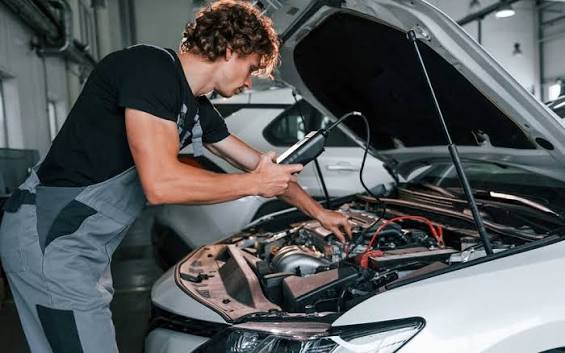
For many drivers, owning a vehicle is essential for work, family responsibilities, and daily life. However, one aspect of car ownership that continues to cause frustration is the steadily increasing cost of repairs. From routine maintenance to major mechanical failures, repair bills have become significantly more expensive over the past few years, leaving many motorists searching for ways to manage unexpected expenses.
As inflation, supply chain disruptions, and advanced automotive technology continue to influence the industry, understanding why repair costs are rising can help vehicle owners make informed financial decisions.


Why Repair Bills Are Increasing
Modern vehicles are more technologically advanced than ever before. Features such as computerized engine management systems, advanced safety sensors, lane-assist technology, and integrated electronics improve driving experiences but also make repairs more complicated.
Unlike older vehicles that could often be repaired with basic tools and mechanical expertise, many modern cars require specialized diagnostic equipment and trained technicians. As a result, both labor costs and repair times have increased.
Additionally, replacement parts have become more expensive due to manufacturing costs, global supply chain challenges, and higher transportation expenses. These factors combine to create repair bills that can be significantly higher than many drivers expect.
The Financial Impact of Major Repairs
While routine maintenance can usually be budgeted for, major repairs often arrive without warning. Engine failures, suspension issues, electrical malfunctions, and transmission problems can quickly cost thousands of pounds.
Among the most expensive vehicle repairs is transmission replacement. The transmission plays a critical role in transferring power from the engine to the wheels, and when it fails, repair or replacement costs can be substantial.
For many households, covering such a large expense can be challenging. This is why some motorists explore options for help paying for a transmission replacement when unexpected mechanical failures threaten their financial stability. Access to financing programs, assistance resources, or flexible payment solutions can provide much-needed relief during these situations.
Supply Chain Challenges Continue to Affect Costs
Although global supply chains have improved compared to recent years, shortages of certain automotive components continue to impact repair costs.
Manufacturers still face delays in producing some electronic modules, sensors, and specialized parts. When supply becomes limited, prices often increase. Repair shops may also experience longer waiting periods for replacement parts, extending repair timelines and increasing labor expenses.
Consumers are ultimately affected by these market conditions through higher repair estimates and longer vehicle downtime.
The Growing Complexity of Electric and Hybrid Vehicles
The rise of electric and hybrid vehicles has introduced new maintenance and repair considerations. While these vehicles often require less routine maintenance than traditional petrol or diesel cars, repairs involving battery systems and electronic components can be particularly expensive.
Technicians working on high-voltage systems require specialized training and certifications. Diagnostic procedures are often more complex, and replacement components can carry premium pricing.
As electric vehicle adoption continues to grow, repair networks are investing heavily in training and equipment to meet future demand.
Common Repairs That Have Become More Expensive
Several vehicle repair categories have experienced significant cost increases in recent years, including:
- Transmission repairs and replacements
- Brake system repairs
- Air conditioning repairs
- Suspension components
- Electronic sensor replacements
- Engine diagnostics
- Battery replacements
- Advanced safety system recalibrations
Many newer vehicles require sensors and cameras to be recalibrated after repairs, adding additional labor and equipment costs to what were once relatively straightforward services.
How Drivers Can Protect Themselves Financially
Although repair costs are rising, there are practical steps drivers can take to reduce financial risk.
Regular maintenance remains one of the most effective ways to prevent major mechanical failures. Following manufacturer-recommended service schedules, addressing warning lights promptly, and inspecting vehicles regularly can help identify problems before they become costly.
Building an emergency vehicle repair fund can also provide financial protection when unexpected issues arise. Even modest monthly savings can help offset future repair expenses.
Drivers should also compare repair estimates from reputable service providers and ensure technicians are properly qualified to work on their specific vehicle type.
Looking Ahead
Vehicle technology will continue to evolve, bringing improvements in safety, efficiency, and performance. However, these advancements are likely to keep repair costs elevated for the foreseeable future.
For consumers, understanding the factors behind rising repair expenses is essential for effective budgeting and long-term vehicle ownership. Whether facing routine maintenance or seeking help paying for a transmission replacement, being proactive and financially prepared can make a significant difference.
As the automotive landscape continues to change, informed drivers will be in the best position to manage costs and keep their vehicles running safely and efficiently for years to come.