




















































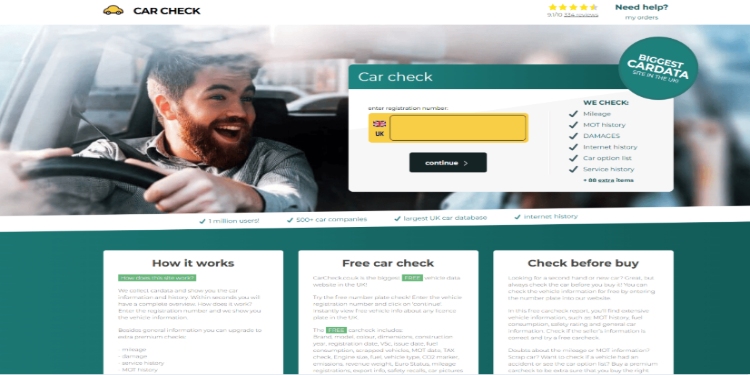
Buying a used car has always carried certain risks, especially when it comes to assessing a vehicle’s background. Traditionally, buyers had to rely on paper documents, word of mouth, or the seller’s claims regarding mileage and previous ownership. However, with the growth of online platforms and digital resources such as CarCheck, understanding a vehicle’s full history has become much more straightforward and accessible for everyone involved in the process.
From paper records to instant online reports
In the past, verifying a car’s background meant sifting through piles of paperwork and hoping all the correct documents had been kept by previous owners. This made it difficult to confirm vital information like accident reports, service history, or any outstanding finance attached to the vehicle. Mistakes or gaps in documentation could easily go unnoticed, leaving buyers exposed to hidden problems or financial obligations.


With the rise of digital tools, this laborious process has changed dramatically. Today, anyone can access detailed reports in minutes. Online systems pull data from a variety of sources, including government records, insurance databases, and maintenance logs. This means that key details such as MOT status, write-off history, and mileage discrepancies can be checked with just a few clicks. Speed and accuracy have both improved, giving buyers greater assurance when making important decisions about used vehicles.
Greater transparency and trust in the market
Digital vehicle history checks have not only streamlined access to information; they have also helped make the market more transparent overall. Sellers and buyers alike benefit from clear, verifiable records available online. The ability to cross-reference information reduces the risk of fraudulent activity, such as clocked mileage or sold-as-seen scams. As a result, there is an increased level of trust between all parties involved.
In addition, digital platforms empower private individuals by bridging the information gap previously enjoyed by dealerships or industry insiders. By making reliable history checks accessible to anyone with internet access, the power shifts towards more informed consumers. This shift also places greater expectations on sellers to provide full disclosure and accurate details during transactions. The widespread availability of online vehicle history reports is gradually setting a new standard for both buyers and sellers in the used car market.
Advanced features and ongoing developments
Modern digital vehicle history tools are not limited to checking basic ownership or accident records. Many platforms now offer advanced features such as valuation guides, tax status information, and even estimated running costs based on the car’s history. These extra layers of detail help buyers make more comprehensive comparisons between vehicles and anticipate future expenses more accurately.The future promises further innovations. With expanding data sets and improved integration with mobile devices, users can expect even faster updates and greater depth of information. Developments in artificial intelligence and big data analysis are likely to improve fraud detection and highlight potential issues that may not be immediately obvious from standard checks. As technology evolves, so too does consumer confidence in purchasing vehicles, knowing they have access to the most complete and up-to-date vehicle history information available.

David Prior
David Prior is the editor of Today News, responsible for the overall editorial strategy. He is an NCTJ-qualified journalist with over 20 years’ experience, and is also editor of the award-winning hyperlocal news title Altrincham Today. His LinkedIn profile is here.