




















































The development of casinos in the UK dates back several centuries, shaped by the changing forms of gaming and social events, which resulted in the creation of the venues we can find today. By the 19th century, facilities such as Crockford’s and Mayfair developed into more recognisable sites, building an identity for official gaming spaces. Nowadays, players can take part in various games either in physical casino settings or on digital platforms that have become a wider part of the landscape. This has only developed the industry, with new SEO focused services, such as those offered by iGaming Agency, in operation alongside social media content that highlights the modern ecosystem of casinos.
Early Forms of Gaming in the UK
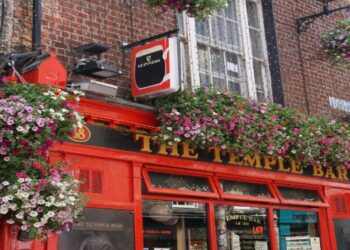
In the UK’s earlier history, gaming often occurred within social life, coming in the forms of card games in taverns and inns, which were typically coupled with other activities and forms of entertainment. There is plenty of evidence from around the 16th and 17th centuries highlighting how these activities were widely shared and understood, especially in the more urban areas of the country. While there was not necessarily a formal structure at the time, these gatherings played a huge role in shaping how organised gaming has developed in the modern day, with the more established venues.


Gambling in Victorian Britain
In Victorian Britain, gaming tended to come side by side with private social gatherings rather than being in public spaces. Membership clubs were often able to provide more controlled environments when it came to gaming in groups, usually focusing on the wealthier members of society. These clubs brought together the higher social classes, making group gaming a luxury for people of the time. This was the real start of structured gaming spaces, spreading across the UK and becoming more predominant. Influencing the sites we have today.
Private Clubs and Official Venues
During the 19th century, private clubs had become more established and recognisable as organised gaming locations. Using the capital city of London as an example, Crockford’s was and is a site that shows this, operating a clear membership structure for many years. Venues just like this one created a more consistent environment in comparison to the smaller, informal gatherings, and as the century progressed, this helped to establish more dedicated gaming spaces.
20th Century Growth of Casinos
Over the 20th century, gaming venues began to move beyond just the private clubs and instead allowed the wider public to participate in gaming. Cities like London and Manchester saw the arrival of casinos that combined specific gaming rooms with other leisure activities, such as live music performances or even hospitality. These spaces were specially designed in order to offer more than what a standard club would, reflecting a change when it came to gaming in the modern urban world. This resulted in a global expansion of casinos, becoming more popular amongst the lower class.
Expansion of Casino Design
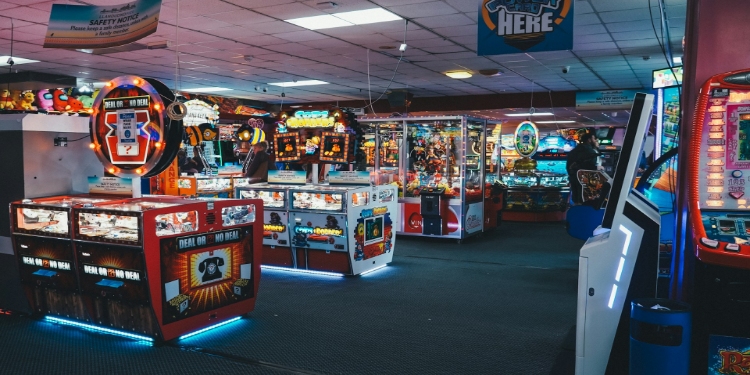
As casinos have developed, so have their layouts, making them more varied to include the likes of bars and restaurants, as well as some performance areas. This is a shift that introduced gaming to other activities, creating venues not just focused on machines and tables. Interiors were shaped to create an atmosphere that could be replicated across other venues with bright lights and loud audio, sometimes differing to offer more unique settings. Over time, the design of casinos became more and more important as it highlighted how they were being presented in urban environments.
Technological Advances in Casino Operations
Technology has slowly changed the way casinos operate, starting with older mechanical systems and moving towards the electronic and digital setups seen today. The equipment used in games has become more automated over time, which has also made it more consistent in how it functions. At the same time, how venues are run has changed as well, with computers now used for everyday management and security. These changes are not unique to casinos, but reflect wider shifts in how many industries now operate.
Transition From Physical to Digital Platforms
In recent years, gaming has also moved into digital spaces, while traditional venues have carried on as normal. Online platforms have grown into an important part of the industry, supported by better internet access and the increasing use of mobile devices. Because of this, casino-style games are no longer tied only to physical locations. Digital platforms now sit alongside established venues, adding another layer to how the industry has developed.
Conclusion
The development of casinos in the United Kingdom has happened gradually over many years, beginning with informal gatherings and later moving into private clubs, followed by public venues, and more recently, digital platforms. Each stage has followed wider changes in society, architecture, and technology. Although the settings have shifted over time, the overall pattern shows how these spaces have kept adapting. Today, physical venues and digital platforms sit alongside each other within the same broader landscape.

David Prior
David Prior is the editor of Today News, responsible for the overall editorial strategy. He is an NCTJ-qualified journalist with over 20 years’ experience, and is also editor of the award-winning hyperlocal news title Altrincham Today. His LinkedIn profile is here.