




















































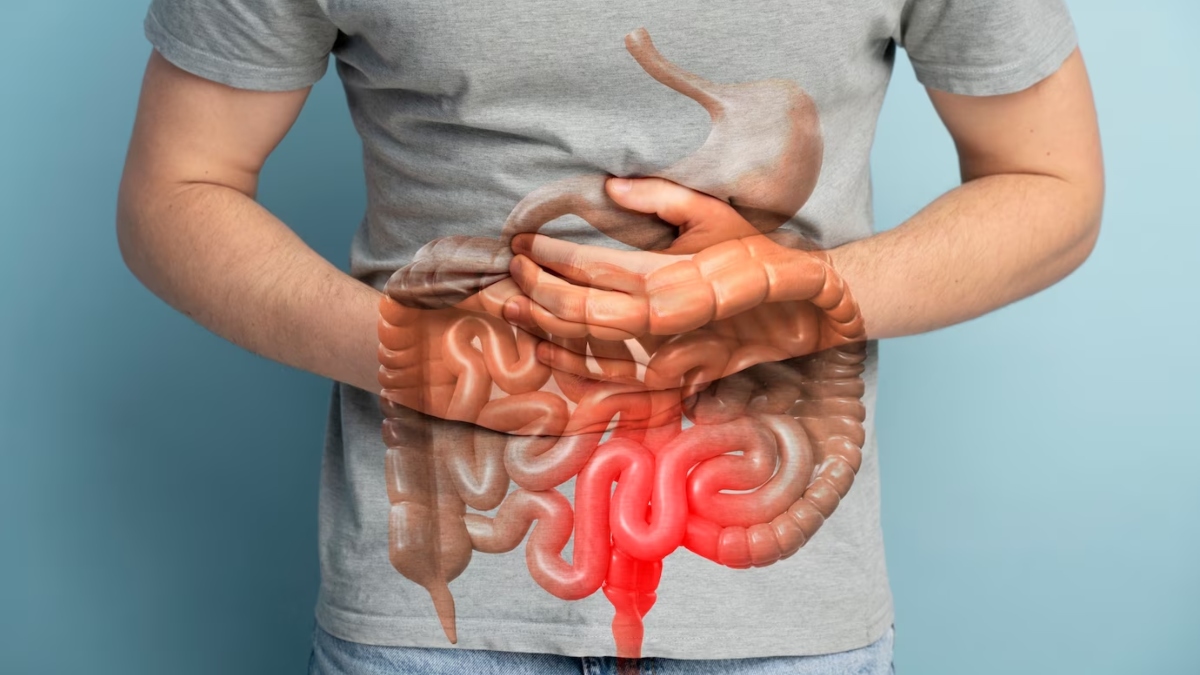
Many of us experience digestive discomfort at some point. From occasional bloating to more persistent issues, our gut health significantly impacts our overall well-being. Understanding the common challenges and knowing where to turn for reliable support can make a substantial difference in regaining comfort and confidence.
What’s Happening Inside: Key Concepts in Digestive Health
The digestive system is a complex network responsible for breaking down food, absorbing nutrients, and eliminating waste. When this intricate process encounters problems, it can manifest in various ways. Key areas of concern often revolve around the esophagus, stomach, and intestines.


Understanding terms like gastrointestinal disorders, gastric cancer, and peptic ulcer disease can empower you to have more informed conversations with healthcare professionals. Recognizing symptoms early is crucial for effective management and treatment.
Deep Dive: Common Digestive Concerns and Their Impact
Understanding Gastric and Esophageal Issues
Gastric cancer, originating in the stomach lining, and esophageal cancer, affecting the swallowing tube, are serious conditions that require prompt attention. Early detection through screening is paramount.
- Gastric Cancer: A malignancy developing from the stomach’s inner layer, often presenting with subtle early symptoms.
- Esophageal Cancer: Characterized by malignant growth in the esophagus, frequently leading to difficulties with swallowing.
- Barrett’s Esophagus: A precancerous condition resulting from chronic acid reflux, where the esophageal lining changes, increasing cancer risk.
Peptic Ulcers and Gastroparesis Explained
Peptic ulcer disease involves sores in the stomach, duodenum, or esophagus, often linked to bacteria or medication. Gastroparesis, on the other hand, is a motility disorder where the stomach empties food too slowly.
- Peptic Ulcer Disease: Open sores in the digestive tract lining, causing pain and discomfort.
- Gastroparesis: Delayed gastric emptying leading to nausea, vomiting, and a feeling of fullness.
Addressing Chronic Diarrhea and Celiac Disease
Persistent, long-lasting diarrhea can be a sign of an underlying issue. Celiac disease is an autoimmune disorder triggered by gluten, damaging the small intestine.
- Chronic Diarrhea: Persistent loose stools that disrupt daily life.
- Celiac Disease: An immune reaction to gluten that harms the small intestine, affecting nutrient absorption.
Common Mistakes and Misconceptions in Digestive Care
- Ignoring persistent symptoms: Believing that digestive discomfort will simply resolve on its own without professional evaluation.
- Self-diagnosing based on online information: Relying solely on internet searches rather than consulting a medical expert for accurate diagnosis.
- Not understanding the link between diet and digestive health: Failing to recognize how specific foods or eating habits can trigger or alleviate symptoms.
- Delaying screenings: Postponing recommended tests for conditions like Barrett’s esophagus or potential gastric issues.
- Assuming all stomach pain is the same: Not differentiating between various causes of abdominal discomfort, which can lead to inappropriate self-treatment.
Practical Takeaways for Better Gut Health
- Listen to your body: Pay attention to recurring digestive issues and don’t hesitate to seek medical advice.
- Maintain a balanced diet: Focus on whole foods and identify any personal trigger foods.
- Stay hydrated: Adequate water intake supports overall digestive function.
- Manage stress: Stress can significantly impact gut health. Explore relaxation techniques.
- Be proactive with screenings: Discuss recommended digestive health screenings with your doctor.
A Decision-Making Perspective on Digestive Care
When facing persistent digestive concerns, the decision-making process often involves identifying the right medical professional. Understanding the scope of services available is key. For comprehensive care addressing a wide range of digestive system diseases and offering specialized procedures, seeking an expert in gastroenterology is a logical step.
If you are experiencing persistent digestive issues, consulting with specialists can help you find relief and improve your quality of life. For those in the Westmount area seeking expert gastrointestinal care, exploring options like Gastro Westmount can be a valuable part of your journey to better health.
Looking Ahead: Evolving Approaches to Digestive Wellness
The field of gastroenterology is continually advancing, with new diagnostic tools and treatment strategies emerging. Research into the gut microbiome and its influence on overall health is expanding rapidly. Staying informed about these developments can provide hope and options for managing chronic digestive conditions more effectively in the future.