


















































Walk into any store today, and you’ll still see rows of products competing for attention. But in 2026, that’s only part of the story. The real “shelf” is just as likely to be a smartphone screen. Customers are discovering products through scrolling, not just browsing.
That shift is changing how retail packaging design works. Your packaging now influences clicks, conversions, and brand trust before someone ever holds the product. Packaging today directly affects engagement and purchase decisions, not just protection


Packaging is no longer just about protecting what’s inside. It’s a marketing asset. Companies like YZ Pack, a leading flexible packaging manufacturer, are helping brands create packaging that performs across both physical and digital touchpoints.
The Rise of Ultra-Minimalism and “Quiet Luxury”
Minimalism isn’t new, but in 2026, it feels more refined and intentional. It’s no longer about stripping things down. It’s about making every element count.
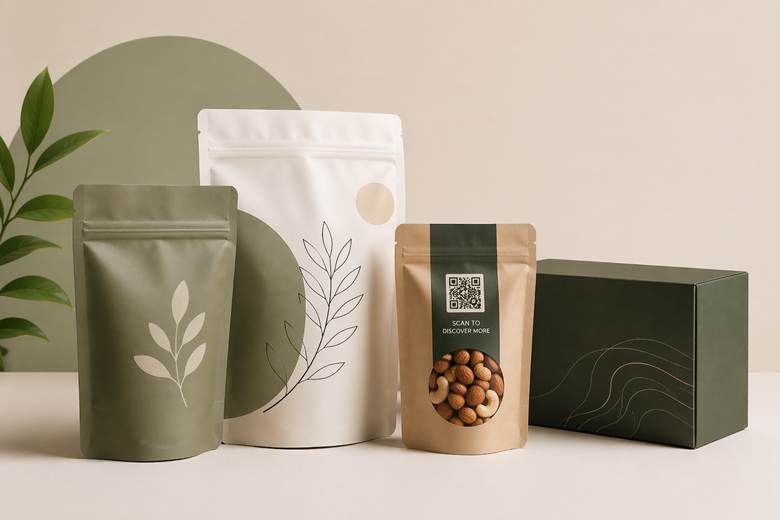
You’ll see more packaging built around clean layouts, limited color palettes, and strong typography. This “less but better” approach reflects a shift toward clarity and honesty. Instead of overwhelming customers with claims, brands are choosing simplicity that feels more trustworthy.
Minimalist packaging improves readability, stands out on crowded shelves, and performs better in digital spaces like ecommerce thumbnails and social media. Clean design also aligns with what consumers want today: clarity, authenticity, and ease of understanding
There’s also a practical advantage. Using fewer colors and design elements reduces ink usage and material waste, which supports sustainability goals.
From a production perspective, simpler designs are easier to print, more consistent at scale, and less prone to errors. This makes ultra-minimalism not just a design trend, but a smart operational choice.
Packaging That Performs on Social Media
Packaging in 2026 isn’t just opened, it’s filmed. Platforms like TikTok and Instagram have turned unboxing into content, and that changes how packaging should be designed.
It starts with being camera-ready. Colors need to look good under different lighting, finishes should avoid glare, and every detail should hold up on screen. But visual appeal alone isn’t enough. The strongest designs focus on the full sensory experience. That includes texture, opening sound, and the sequence of how the product is revealed.
A good unboxing follows a clear flow. Each layer adds a moment of discovery. Internal prints, inserts, and subtle textures guide the experience and make it feel intentional.
This matters because packaging now drives user-generated content at scale. People share what feels satisfying, thoughtful, or different. That kind of exposure becomes free marketing.
And once that first interaction happens, packaging doesn’t stop there. It continues into the digital experience.
From Static to Smart: Packaging Gets a Digital Layer
Packaging in 2026 is no longer just something you look at. It’s something you actively interact with.
Simple additions like QR codes are turning packaging into a direct link between physical products and digital content. With one scan, customers can access product details, tutorials, or brand stories. AR experiences take this further, creating immersive interactions that extend beyond the product itself.
This shift isn’t experimental anymore. Smart packaging features like QR codes and connected experiences are becoming standard across many industries
Brands are using these tools in practical ways. QR codes can verify authenticity, helping reduce counterfeiting. They can also provide proof of sourcing or sustainability, which is increasingly important to buyers. Others use them to deliver tutorials or exclusive content.
The key idea is simple. Packaging is no longer a one-time touchpoint. It becomes an ongoing connection between the brand and the customer.
Design That Works Beyond the Shelf
It’s easy to focus on how packaging looks. But in 2026, design decisions go far beyond appearance. They directly affect how a product performs in production, shipping, and storage.
Structural efficiency is one of the biggest shifts. Brands are reducing empty space and optimizing packaging size, which lowers material use and improves logistics efficiency. It also cuts transport costs and reduces damage during transit.
Durability matters just as much. Packaging needs to protect products across long supply chains, especially with the growth of ecommerce. Weak structures lead to returns, waste, and added costs.
Then there’s machine compatibility. Packaging must run smoothly on automated lines. Poor material choices or inconsistent structures can slow production or even cause downtime, which directly impacts operational costs.
This is where working with experienced partners becomes important. YZ Pack brings expertise in material structure, machine compatibility, and quality control, helping ensure packaging performs as well as it looks
The takeaway is simple. Great packaging isn’t just attractive. It needs to work reliably in real-world production and logistics.
Sustainability as Both Style and Strategy
Sustainability in 2026 is no longer something brands hide in fine print. It’s visible, intentional, and built into the design itself.
You’ll see more use of eco-friendly materials like biodegradable films, plant-based alternatives, and recyclable flexible packaging. At the same time, brands are reducing packaging size and removing unnecessary layers. This “less packaging” approach cuts waste while also lowering transport costs and emissions.
Sustainability is no longer optional. It’s now expected by consumers and driven by industry shifts toward circular systems and reduced environmental impact
There’s also a move toward mono-material packaging, which improves recyclability by simplifying material structures. Reusable and refillable formats are also gaining traction, especially in premium markets.
The key takeaway is clear. Eco-friendly packaging isn’t just about responsibility. It still needs to look premium, feel intentional, and perform just as well as traditional materials.
Not Every Trend Fits Every Brand
It’s easy to get caught up in trends, especially when they look good on social media. But not every packaging trend will make sense for every product or business.
The most effective designs are the ones that align with your product type, target market, and production capabilities. A minimalist look may work for premium products, but fast-moving goods often need bold visibility.
There’s also a cost factor to consider. Overdesign or unnecessary features can increase material use, slow production, and reduce efficiency.
The goal isn’t to follow every trend. It’s to choose the ones that support your business. The best packaging strikes a balance between design appeal and real-world performance.
Is Your Packaging Ready for 2026?
Packaging in 2026 sits at the intersection of digital and physical experience. It’s what customers see first online, and what they interact with once the product arrives.
Strong packaging today needs to be visual, tactile, functional, and shareable. It should catch attention on a small screen, feel satisfying in hand, and perform reliably across production and logistics.
If you’re reviewing your current packaging, start with a simple checklist. Does it look good on mobile screens? Is it easy to produce at scale? Does it reduce material waste? And does it stay engaging beyond the first use? These are the questions shaping modern packaging trends, where performance and perception go hand in hand.
For brands looking to align design with real-world performance, working with experienced partners like YZ Pack can make the process more practical and effective.
In 2026, the brands that win are the ones that treat packaging as part of the product experience, not just its container.